

Do you ever envision having strong, defined arms that you can confidently show off?
You might be tempted to hit the gym every day to achieve that goal, but have you ever wondered if working out your arms every day is actually safe?
Before you dismiss the idea, consider the potential risks and benefits associated with daily arm workouts.
It’s not just about building muscle; there are crucial factors that come into play, and understanding them could be the key to reaching your fitness goals while keeping your body healthy.
Table of Contents

Related Video: "What Happens If You Workout Arms Every Day" by Body Hub
Main Points
– Rest days are crucial for muscle recovery and growth after arm workouts.
– Overtraining arms without adequate rest can lead to fatigue, injury, and plateauing progress.
– Varying exercises and incorporating recovery time maximizes the benefits of arm workouts.
– Proper nutrition and sleep are important for muscle repair and growth.
The Importance of Rest Days

You need to understand the importance of taking rest days when working out your arms every day to allow for muscle recovery and growth. While it may be tempting to push through and work on your arms daily, it’s crucial to give your muscles time to repair and strengthen.
Overworking your arms without proper rest can lead to overtraining, muscle fatigue, and potential injury. So, can you workout arms everyday? The answer is no. Rest days are essential for allowing your muscles to heal and grow stronger.
When you engage in resistance training, tiny tears occur in the muscle fibers, and it’s during rest that these tears are repaired, leading to muscle growth and improved strength. Therefore, it’s recommended to incorporate rest days into your workout routine to optimize the benefits of your arm workouts.
Understanding Muscle Recovery

You need to understand how your muscles recover after each workout.
This includes the muscle repair process and the importance of rest in allowing your muscles to heal and grow stronger.
Overtraining can pose risks to your progress, so it’s crucial to grasp the concept of muscle recovery.
Muscle Repair Process
Understanding the muscle recovery process is essential for optimizing your workout routine and achieving your fitness goals. After intense exercise, your muscles undergo a repair process to grow stronger and more resilient. Here’s what happens during the muscle repair process:
– Microtears: Intense workouts cause tiny tears in your muscle fibers.
– Inflammation: The body responds with inflammation to repair the microtears.
– Protein Synthesis: Your body synthesizes proteins to rebuild and strengthen the muscle fibers.
– Recovery Time: Adequate rest and nutrition are crucial for the muscle repair process to occur effectively.
Importance of Rest
After experiencing microtears and inflammation from intense workouts, it’s essential to recognize the pivotal role of rest in allowing for effective muscle recovery and growth.
When you workout, especially targeting specific muscle groups like arms, you create small tears in the muscle fibers. Rest days are crucial because they allow the body to repair and rebuild these fibers, leading to muscle growth and strength development.
Without adequate rest, the muscles don’t have sufficient time to heal, which can lead to overtraining, increased risk of injury, and plateauing of progress.
Aim to incorporate rest days into your workout routine, alternating between different muscle groups to allow for adequate recovery.
Overtraining Risks
Feeling fatigued, sore, and experiencing a lack of progress in your arm workouts may signal the risks of overtraining and the importance of understanding muscle recovery.
Overtraining can lead to various negative effects on your body and performance, including increased risk of injury, decreased immune function, hormonal imbalances, and mental fatigue.
It’s crucial to recognize the signs of overtraining and give your muscles the rest they need for proper recovery.
Understanding the concept of muscle recovery is essential for optimizing your workouts and achieving your fitness goals.
Adequate rest, proper nutrition, and listening to your body are key components of effective muscle recovery.
Overtraining and Its Effects

Overtraining can lead to decreased performance, increased risk of injury, and feelings of fatigue and burnout. It occurs when the intensity and/or volume of exercise exceeds the body’s ability to recover. The table below outlines the effects of overtraining on the body:
| Effects of Overtraining | Description |
|---|---|
| Decreased Performance | Overtraining can lead to a decline in athletic performance, making it harder to reach fitness goals. |
| Increased Risk of Injury | Muscles and joints become more susceptible to injury due to overuse and inadequate recovery time. |
| Fatigue and Burnout | Overtraining can cause persistent fatigue, lack of motivation, and mental exhaustion, leading to burnout. |
| Insomnia | Overtraining can disrupt sleep patterns, leading to difficulty falling asleep and staying asleep. |
| Weakened Immune System | Overtraining can compromise the immune system, making individuals more susceptible to illness and infections. |
It’s important to listen to your body and incorporate rest days into your workout routine to avoid overtraining. Balancing intensity, duration, and frequency of workouts is key to preventing the negative effects of overtraining.
Effective Arm Workouts

You want effective arm workouts that will help you build strength and definition without overtraining your muscles.
It’s important to consider the frequency of your arm workouts and allow enough time for muscle recovery in between sessions.
Arm Workout Frequency
For optimal results, consider incorporating arm workouts into your routine at least three to four times per week. This frequency allows for adequate muscle recovery and growth, leading to stronger and more defined arms over time.
Here are some effective arm workouts to include in your routine:
– Bicep curls: Target your biceps with this classic exercise using dumbbells or a barbell.
– Tricep dips: Strengthen and tone your triceps by performing dips on parallel bars or a sturdy bench.
– Push-ups: Engage your arms, chest, and shoulders with this versatile bodyweight exercise.
– Overhead tricep extensions: Use a dumbbell or resistance band to work the triceps through a full range of motion.
Muscle Recovery Time
Considering the importance of muscle recovery for optimal results, it’s essential to understand the effective arm workouts that allow for adequate recovery time. To help you plan your arm workout routine for maximum benefit, here’s a breakdown of effective exercises and their recommended recovery time.
| Exercise | Targeted Muscles | Recovery Time |
| Bicep Curls | Biceps | 48 hours |
| Tricep Dips | Triceps | 48 hours |
| Push-ups | Chest, Shoulders, Arms | 48 hours |
| Pull-ups | Biceps, Back | 72 hours |
| Dumbbell Rows | Biceps, Back | 72 hours |
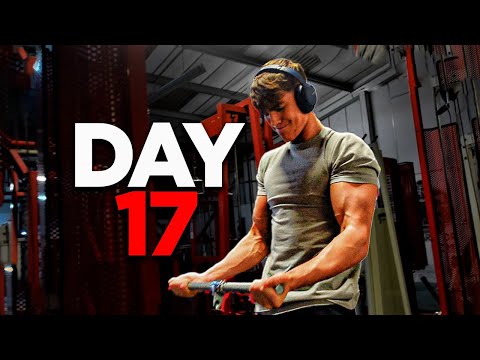
Related Video 2: "I trained my arms every day for 30 days" by Joe Fazer
Overtraining Risks
To maximize the effectiveness of your arm workouts and avoid overtraining risks, it’s crucial to incorporate a variety of exercises that target different arm muscles while allowing for sufficient recovery time. Overtraining can lead to muscle fatigue, decreased performance, and increased risk of injury.
Here’s what you need to consider to avoid overtraining risks:
– Vary your exercises to target different arm muscles and prevent overuse injuries.
– Ensure adequate rest and recovery time between arm workout sessions.
– Listen to your body and recognize signs of overtraining, such as persistent fatigue and decreased performance.
– Consider consulting a fitness professional to create a well-rounded arm workout plan that minimizes the risk of overtraining.
Alternating Arm Workout Techniques

Looking to add variety to your arm workouts? Try incorporating alternating arm workout techniques to engage different muscle groups and maximize your results.
One effective technique is alternating dumbbell curls. Instead of curling both dumbbells simultaneously, curl one arm at a time while the other arm rests. This allows you to focus on each arm independently, ensuring balanced development and reducing the risk of overuse injuries.
Another great option is alternating tricep extensions. Hold a dumbbell with both hands, then extend one arm at a time overhead while keeping the other arm bent. This targets the triceps from different angles and provides a more intense burn.
For an overall arm workout, try alternating bicep and tricep exercises. For example, perform a set of bicep curls and then immediately follow it with a set of tricep kickbacks. This keeps your muscles constantly engaged and prevents one muscle group from fatiguing too quickly.
Importance of Proper Nutrition

After incorporating alternating arm workout techniques, it’s essential to prioritize proper nutrition to support muscle recovery and growth. Your body needs the right nutrients to repair and build stronger muscles. Here’s why proper nutrition is crucial:
– Protein: Consume adequate protein to aid in muscle repair and growth. Lean meats, eggs, dairy, and plant-based sources like beans and quinoa are excellent options.
– Carbohydrates: Fuel your workouts with complex carbohydrates such as whole grains, fruits, and vegetables. Carbs replenish glycogen stores, providing energy for your workouts.
– Healthy Fats: Incorporate sources of healthy fats like avocados, nuts, and olive oil. They support hormone production and joint health.
– Hydration: Drink plenty of water to maintain optimal muscle function and aid in recovery. Dehydration can hinder performance and recovery.
Benefits of Adequate Sleep

Getting enough sleep is crucial for your body’s recovery and overall muscle growth after daily arm workouts. When you sleep, your body enters a state of repair and regeneration, allowing your muscles to recover from the stress of daily workouts. Adequate sleep plays a vital role in muscle recovery as it’s during this rest period that your body releases growth hormone, which is essential for muscle repair and growth.
Additionally, sleep is when your body produces and releases adenosine triphosphate (ATP), the energy currency for muscular contractions, aiding in muscle recovery and performance.
Furthermore, sleep is essential for regulating your body’s hormone levels, including cortisol, which affects muscle protein synthesis. Insufficient sleep can lead to an increase in cortisol levels, which may hinder muscle growth and recovery.
Moreover, adequate sleep supports your immune system, helping to ward off illnesses that could derail your workout routine.
Consulting a Fitness Professional

When seeking guidance on your workout routine, consulting a fitness professional can provide valuable insights and personalized recommendations for achieving your fitness goals. A fitness professional can assess your current fitness level, discuss your goals, and tailor a workout plan that suits your individual needs.
Here are some reasons why consulting a fitness professional is beneficial:
– Personalized Guidance: A fitness professional can assess your strengths, weaknesses, and specific fitness goals to create a customized workout plan that maximizes results and minimizes the risk of injury.
– Correct Technique: Proper form and technique are crucial for preventing injuries and optimizing the effectiveness of your workouts. A fitness professional can teach you the correct way to perform exercises, ensuring that you get the most out of your workouts.
– Accountability and Motivation: Working with a fitness professional can provide the accountability and motivation needed to stay on track with your fitness routine. They can offer encouragement, support, and guidance to help you stay committed to your goals.
- Adaptability: As your fitness level improves, a fitness professional can adjust your workout routine to ensure continued progress and prevent plateauing. Their expertise allows for ongoing adaptations to keep your workouts challenging and effective.

Related Video 3: "5 Steps to Get Bigger Arms in 30 Days" by Gravity Transformation - Fat Loss Experts
Frequently Asked Questions
What Are Some Common Arm Injuries That Can Occur From Working Out Arms Every Day?
Working out arms every day can lead to common injuries like tendinitis, muscle strains, and overuse injuries. Tendinitis occurs from repetitive motion, causing inflammation and pain in the tendons.Muscle strains happen when muscles are overworked without proper rest. Overuse injuries develop gradually from repetitive stress on the arm muscles.It's important to give your arms time to rest and recover to prevent these injuries.
Can Overtraining Arms Lead to Imbalances in Muscle Strength and Size?
Overtraining your arms can lead to muscle imbalances, affecting both strength and size. Imagine a seesaw with one side heavier than the other - that's what happens when you overwork one muscle group.This can also put excess strain on your joints and increase the risk of injury. It's important to give your muscles time to recover and grow, so consider adding rest days or focusing on different muscle groups to maintain a balanced physique.


