

You’ve probably heard about the importance of post-workout recovery, but do you really know what it does for your body?
The benefits of post-exercise recovery extend far beyond just feeling less sore the next day.
In fact, there are eight essential ways in which your body benefits from post-workout routines, and understanding them can have a significant impact on your overall health and fitness.
Whether you’re a seasoned athlete or just starting on your fitness journey, understanding the potential benefits of post-workout recovery could be a game-changer for your routine.
Table of Contents

Related Video: "The Post-Workout Anabolic Window (MYTH BUSTED with Science)" by Jeff Nippard
Main Points
– Protein intake is crucial for muscle repair and growth, so it is important to consume a protein-rich snack or shake within 30 minutes post-workout.
– Replenishing glycogen stores is essential for energy restoration, and consuming carbohydrates helps in replenishing glycogen stores.
– Improved digestion and nutrient absorption after exercise support muscle repair and contribute to a metabolism boost.
– Engaging in relaxation techniques such as yoga or tai chi after a workout can help lower cortisol levels, reduce stress, and improve mental clarity and cognitive function.
Muscle Recovery

After a strenuous workout, your muscles start repairing and rebuilding themselves to become stronger and more resilient. This process is crucial for muscle recovery and growth. One key factor in aiding this recovery is your protein intake. Consuming an adequate amount of protein post-workout provides the necessary building blocks for muscle repair and growth. Aim to include a source of protein in your post-workout meal or snack to support your muscles in the recovery process.
In addition to protein intake, incorporating effective stretching techniques into your post-workout routine can further enhance muscle recovery. Stretching helps to improve flexibility, reduce muscle tension, and increase blood flow to the muscles, promoting a faster recovery. Focus on stretching the major muscle groups used during your workout, holding each stretch for 15-30 seconds to achieve optimal results.
Energy Restoration

After a tough workout, your body needs to replenish its energy stores to recover and prepare for the next session. Energy restoration not only helps boost muscle recovery but also replenishes glycogen stores, ensuring you have the fuel needed for future workouts.
Boosts Muscle Recovery
Regularly incorporating post-workout recovery techniques can significantly enhance your energy restoration and muscle recovery.
Ensuring adequate protein intake is crucial for muscle recovery. After a workout, your muscles need protein to repair and grow stronger. Aim for a protein-rich snack or shake within 30 minutes of completing your exercise.
Additionally, maintaining proper hydration levels is essential for supporting muscle recovery. Water plays a key role in nutrient transport and muscle function, so it’s important to replenish fluids lost during your workout. Dehydration can impede the body’s ability to repair and build muscle.
Replenishes Glycogen Stores
To further optimize your post-workout recovery and enhance your energy restoration, replenishing glycogen stores is essential for refueling your muscles and preparing them for your next workout.
After a workout, your glycogen stores become depleted due to glycogen utilization for energy. Replenishing these stores through carbohydrate replenishment is crucial for restoring your energy levels and promoting muscle recovery.
Consuming carbohydrates such as fruits, whole grains, and potatoes helps in replenishing glycogen stores. This process ensures that your muscles have an adequate supply of glycogen for your next workout, enabling you to perform at your best.
Reduces Muscle Fatigue
Feeling fatigued after your workout? Implementing strategies to reduce muscle fatigue is crucial for optimizing your energy restoration and overall post-workout recovery. Recovery techniques such as stretching, foam rolling, and proper hydration can help alleviate muscle soreness and decrease fatigue. Stretching after a workout helps to improve blood flow to the muscles, reducing tightness and soreness. Foam rolling targets myofascial release, breaking down knots and increasing blood flow to the muscles, aiding in recovery. Additionally, staying hydrated is essential for preventing muscle fatigue and cramping. Consuming a mix of protein and carbohydrates within 30 minutes post-workout can also aid in reducing muscle fatigue by replenishing energy stores and promoting muscle repair. Implementing these techniques can significantly reduce muscle fatigue, allowing for a quicker and more effective recovery.
| Recovery Techniques | Benefits |
|---|---|
| Stretching | Improves blood flow |
| Foam Rolling | Targets myofascial release |
| Hydration | Prevents muscle fatigue |
| Nutrition | Promotes muscle repair |
Nutrient Absorption

After exercising, your body is more efficient at absorbing nutrients from the food you consume, helping to replenish energy stores and support muscle recovery. This improved digestion and nutrient utilization are crucial for enhancing performance and athletic endurance.
Here are a few ways in which nutrient absorption plays a vital role in post-workout recovery:
– Muscle Repair: Nutrient absorption after a workout ensures that your body receives the necessary building blocks, such as protein and amino acids, to repair and rebuild muscle tissues that may have been damaged during exercise.
– Energy Replenishment: Carbohydrates are absorbed more effectively post-exercise, allowing your body to replenish glycogen stores in the muscles and liver, providing a much-needed energy source for your next workout.
– Hydration: Nutrient absorption also plays a role in replenishing electrolytes and fluids lost through sweating during exercise, aiding in maintaining proper hydration levels for overall recovery and performance.
Metabolism Boost

Improved nutrient absorption post-workout not only aids in muscle repair and energy replenishment but also contributes to a metabolism boost, helping your body efficiently convert nutrients into energy for recovery and performance.
Meal timing plays a crucial role in maximizing this metabolism boost. Consuming a balanced post-workout meal within 45 minutes to an hour after exercise can significantly enhance your metabolic rate. This is the window when your body is most receptive to replenishing glycogen stores and repairing muscle tissue, leading to a higher metabolic turnover.
Exercise intensity also influences the extent of your metabolism boost. High-intensity workouts, such as interval training or weightlifting, induce a greater post-exercise oxygen consumption (EPOC) effect. This means that even after you’ve finished exercising, your body continues to burn calories at an accelerated rate to restore its oxygen levels and repair muscle fibers.
Stress Reduction

After a workout, your body releases endorphins, which can help improve your mood and provide a sense of mental relaxation.
Additionally, regular exercise has been shown to lower cortisol levels, the hormone responsible for stress.
These stress-reducing benefits of post-workout activity can contribute to an overall sense of well-being.
Mental Relaxation Benefits
How can you incorporate mental relaxation benefits into your post-workout routine to reduce stress and enhance your overall well-being?
After a workout, take a moment to focus on mental relaxation to reduce stress and improve cognitive function. Here are a few ways to achieve this:
– Practice deep breathing exercises: Engaging in deep breathing can help calm your mind, reduce stress, and promote relaxation.
– Try mindfulness meditation: Taking a few minutes to practice mindfulness meditation can help you let go of stress and improve your overall well-being.
Related Video 2: "The Pre and Post Workout Meal Myth – DO'S and DON'TS – Dr. Berg" by Dr. Eric Berg DC
– Listen to calming music: After your workout, listen to soothing music to help relax your mind and reduce stress.
Incorporating these mental relaxation techniques into your post-workout routine can help you manage stress and enhance your cognitive function.
Lower Cortisol Levels
Incorporate activities such as yoga or tai chi into your post-workout routine to help lower cortisol levels and reduce stress. Cortisol, known as the stress hormone, is released in response to stress or low blood-glucose concentration. Elevated cortisol levels can lead to various health issues, including weight gain, high blood pressure, and compromised immune function. Engaging in stress-reducing activities post workout can aid in hormone regulation, promoting overall well-being. By managing stress effectively, you can lower cortisol levels, which in turn supports your body’s recovery after exercise. Here’s a simple visualization to understand the impact of stress management on cortisol levels:
| Before Workout | During Workout | After Workout |
| High Cortisol | Peak Cortisol | Low Cortisol |
Improved Sleep

Achieve improved sleep by incorporating regular post-workout routines into your schedule. Exercise has been shown to positively impact sleep quality and aid in recovery, helping you wake up feeling refreshed and rejuvenated.
Here are a few ways post-workout activities can contribute to better sleep:
– Reduced stress and anxiety: Physical activity helps to lower cortisol levels, the hormone responsible for stress. By managing stress through exercise, you can create a more relaxed state of mind conducive to better sleep.
– Establishing a nighttime routine: Engaging in a consistent post-workout routine can signal to your body that it’s time to wind down, making it easier to fall asleep at night.
– Incorporating relaxation techniques: Post-exercise stretching, yoga, or meditation can help relax your muscles and calm your mind, promoting a peaceful and restful sleep.
Immune System Support

Support your immune system by making post-workout activities a regular part of your routine, as they can have a positive impact on your body’s defense mechanisms.
Nutritional intake plays a crucial role in immune system support. After a workout, it’s essential to replenish your body with the nutrients it needs to function optimally. Consuming a balanced meal or snack that includes protein, healthy fats, and a variety of vitamins and minerals can aid in the recovery process and help support your immune system. Additionally, staying hydrated is vital for overall health, including immune function, so be sure to drink plenty of water after your workout.
Exercise frequency also contributes to immune system support. Engaging in regular physical activity can enhance the immune system by promoting good circulation, which allows the cells and substances of the immune system to move through the body freely and do their job efficiently. However, it’s essential to find a balance, as excessive exercise can potentially have the opposite effect on immune function. Aim for a consistent exercise routine that includes both moderate-intensity workouts and rest days to support your immune system while avoiding overexertion.
Mental Clarity

To enhance mental clarity after your workout, prioritize activities that promote relaxation and mindfulness. After physical exertion, your mind may benefit from specific practices to support cognitive function and focus enhancement. Consider incorporating the following into your post-workout routine:
– Deep breathing exercises: Engaging in deep, intentional breathing can help calm the mind and reduce stress levels, allowing for improved cognitive function and mental clarity.
– Mindfulness meditation: Taking a few moments to practice mindfulness meditation can help you focus on the present moment, reducing mental clutter and enhancing your ability to concentrate.
- Light stretching or yoga: Gentle stretching or a brief yoga session can help release physical tension and promote mental relaxation, contributing to improved mental clarity.
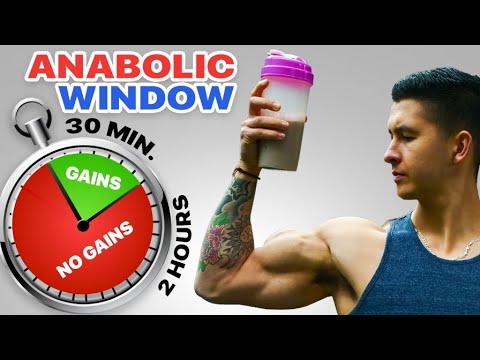
Related Video 3: "How Soon After A Workout Should You Eat To Build Muscle? (IT MATTERS!)" by Jeremy Ethier
Frequently Asked Questions
Can Post-Workout Supplements Be Harmful if Taken in Excess?
When it comes to post-workout supplements, it's crucial to maintain a nutritional balance. Excessive intake can lead to health implications and overconsumption.Yes, post-workout supplements can be harmful if taken in excess. Too much of a good thing can have negative effects on your body.It's important to follow recommended serving sizes and consult with a healthcare professional to ensure you're using these supplements safely.
How Long After a Workout Should I Consume a Post-Workout Meal or Supplement?
After a workout, timing is key for the effectiveness of your post-workout meal or supplement. Consuming it within 30 minutes to an hour can help replenish glycogen stores and kickstart muscle recovery. This timing is crucial as your body is more receptive to nutrients during this window.Ensuring you consume the right nutrients at the right time can enhance your body's recovery process and overall workout effectiveness.


