

Have you ever wondered about the intricate choreography of a bodybuilder’s workout routine? Just like a symphony conductor carefully orchestrates each note and movement, bodybuilders meticulously plan and execute their training sessions to sculpt their physique.
But how long do these workouts really last? Are there specific factors that influence the duration?
Let’s uncover the ten key facts that shed light on the fascinating world of bodybuilding workouts, offering insights that might surprise you and transform the way you approach your own fitness regimen.
Table of Contents
Related Video: "What makes muscles grow? - Jeffrey Siegel" by TED-Ed
Main Points
– Bodybuilders typically spend 1 to 2 hours per gym session, working out 5 to 6 times a week.
– Training intensity and recovery strategies play a role in determining workout length.
– Aim for a training session duration of around 45 to 75 minutes, prioritizing intensity over duration.
– Rest and recovery are crucial for muscle repair and growth, preventing injuries and burnout, and maintaining healthy hormone levels.
Average Duration of Bodybuilding Workouts

On average, bodybuilders typically spend 1 to 2 hours per gym session to maximize muscle growth and strength. The duration of their workouts is crucial for achieving their desired results.
Generally, bodybuilders work out 5 to 6 times a week, allowing their muscles enough time to recover and grow between sessions. Consistency in training is key for bodybuilders to achieve their goals.
By dedicating this amount of time to each session, they’re able to target different muscle groups effectively, ensuring a balanced and comprehensive approach to their workouts. This allows for sufficient rest and recovery for each muscle group before they’re worked again, preventing overtraining and injury.
Additionally, the duration of the workouts permits bodybuilders to incorporate a variety of exercises and techniques, including warm-ups, resistance training, and cool-downs. This comprehensive approach contributes to their overall muscle development and strength.
Factors Influencing Workout Length

To understand the influences on how long bodybuilders work out, consider the impact of their training intensity and recovery strategies. Bodybuilders who train with high intensity, pushing their muscles to the limit, often have shorter workout sessions. On the other hand, those who focus on moderate intensity may have longer training sessions to achieve similar results. Additionally, the strategies employed for recovery play a crucial role in determining the length of a bodybuilding workout. Adequate rest and recovery techniques can allow for shorter, more intense workouts, while insufficient recovery may necessitate longer sessions to achieve the desired results. Below is a table summarizing the key factors influencing workout length:
| Factor | Influence |
|---|---|
| Training Intensity | High intensity may lead to shorter workouts |
| Recovery Strategies | Effective recovery can support shorter, intense workouts |
Understanding these factors can help you tailor your workout length to align with your bodybuilding goals, ensuring that your training sessions are both effective and efficient.
Optimal Training Session Duration

Understanding the optimal duration for your training sessions is crucial for maximizing your bodybuilding results and maintaining peak performance. When it comes to bodybuilding, the duration of your training sessions can significantly impact your progress.
Here are some key points to consider for achieving the optimal training session duration:
1. Efficiency: Aim for a training session duration of around 45 to 75 minutes. Keeping your workouts within this timeframe allows you to maintain intensity and focus without risking overtraining or burnout.
2. Intensity: It’s essential to prioritize intensity over duration. Shorter, high-intensity workouts can often yield better results than longer, low-intensity sessions. Focus on pushing yourself to the limit within a reasonable timeframe.
3. Recovery: Consider the overall balance between training and recovery. Prolonged training sessions can lead to increased fatigue and potential muscle breakdown. Adequate rest and recovery are crucial for muscle growth and overall performance.
Importance of Rest Periods

You need to understand the importance of rest periods in your bodybuilding routine.
Rest and recovery are crucial for muscle repair and growth, allowing your body to adapt and become stronger.
Adequate rest periods also play a key role in preventing injuries, helping you maintain a sustainable workout regimen.
Rest and Recovery
Taking regular rest periods is crucial for bodybuilders to allow their muscles to recover and grow stronger. Skipping rest days can lead to overtraining, which can result in decreased performance and increased risk of injury.
Here are three key reasons why rest and recovery are essential for bodybuilders:
1. Muscle Repair: Rest periods give your muscles time to repair and rebuild, leading to muscle growth and development.
2. Prevention of Burnout: Rest days help prevent mental and physical burnout, allowing you to stay motivated and energized for your workouts.
3. Hormone Balance: Adequate rest is essential for maintaining healthy hormone levels, including testosterone and cortisol, which are crucial for muscle growth and recovery.
Muscle Repair
Rest periods are crucial for muscle repair and growth in bodybuilders, allowing the muscles to rebuild and develop. During intense workouts, muscle fibers undergo micro-tears, and rest periods are essential for the repair and strengthening of these fibers. Adequate rest also helps prevent overtraining, which can lead to muscle fatigue and decreased performance. To illustrate the importance of rest periods, consider the following table:
| Rest Period | Impact on Muscle Repair and Growth |
| Short | Insufficient time for optimal repair and growth |
| Moderate | Allows for adequate repair and growth |
| Long | May lead to detraining, affecting muscle strength and size |
Injury Prevention
To prevent injuries and promote muscle recovery, adequate rest periods are crucial for bodybuilders during their training regimen. Without sufficient rest, the risk of overuse injuries and fatigue greatly increases.
Here are three key reasons why incorporating rest periods into your workout routine is essential:
1. Muscle Repair: Rest allows your muscles to repair and rebuild, which is crucial for growth and overall strength development.
2. Injury Prevention: Adequate rest helps to prevent overuse injuries such as strains, sprains, and stress fractures, which can sideline your training progress.
3. Optimal Performance: Proper rest periods ensure that your body is fully recovered, leading to improved performance during workouts and reduced risk of burnout.
Frequency of Training Sessions per Week

Bodybuilders typically schedule their training sessions several times per week to ensure consistent progress and muscle development. The frequency of your training sessions depends on various factors, including your experience level, recovery ability, and overall training program.
Beginners may benefit from training 3-4 times per week to allow for adequate recovery, while more advanced bodybuilders might train 5-6 times per week to target specific muscle groups with greater frequency.
It’s essential to find a balance that allows for enough stimulus to promote muscle growth without overtraining or risking injury.
When scheduling your training sessions, consider incorporating rest days to give your body time to recover and adapt to the stress of your workouts. This could involve training on alternate days or following a split routine that targets different muscle groups on different days.
Additionally, listen to your body and be mindful of signs of fatigue or overtraining. Adjust your training frequency as needed to ensure optimal progress and to prevent burnout or plateaus.
Individualized Workout Duration

You should consider personalizing your training schedule to fit your specific needs and goals.
Customizing the duration of your exercises can ensure an effective and efficient workout.
Tailoring your workout plan to your individual requirements can help maximize your results.
Personalized Training Schedules
Individuals can maximize their workout effectiveness by tailoring their training schedules to their specific needs and goals. By personalizing your training schedule, you can ensure that you’re optimizing your time in the gym and working towards your desired results.
Here are three key factors to consider when creating a personalized training schedule:
1. Fitness Level: Customize your workout duration based on your current fitness level. Beginners may start with shorter sessions and gradually increase duration as they progress.
2. Recovery: Take into account your body’s recovery time. Adjust your workout duration to allow sufficient time for rest and muscle recovery.
3. Goals: Tailor your workout duration to align with your fitness goals. Whether it’s building muscle, improving endurance, or weight loss, customize your training schedule to support your objectives.
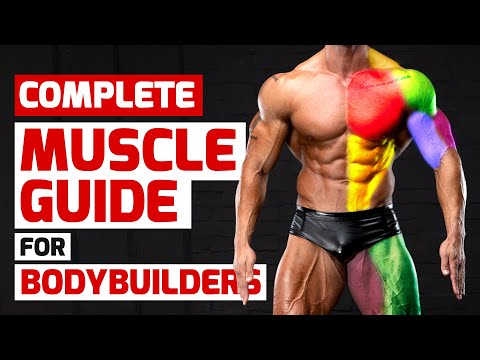
Related Video 2: "Complete Muscle Guide for Bodybuilders" by Fit Media Channel
Customized Exercise Duration
Considering your fitness level, recovery needs, and goals, customizing your exercise duration is essential for optimizing your workout effectiveness.
Tailoring the duration of your workouts to fit your individual needs can make a significant difference in achieving your fitness objectives. If you’re just starting out, shorter, more frequent sessions may be more appropriate to prevent burnout and injury.
On the other hand, if you’re more experienced and aiming for muscle growth, longer, intense workouts with sufficient rest periods may be beneficial.
By adjusting the duration of your workouts based on your specific requirements, you can ensure that you’re not overexerting yourself or falling short of your potential.
Ultimately, individualizing your exercise duration allows you to make the most out of every workout and progress towards your fitness goals more effectively.
Tailored Workout Plans
To optimize your workout effectiveness, tailor the duration of your exercise to fit your individual needs, taking into account your fitness level, recovery requirements, and goals. A tailored workout plan can help you achieve better results and prevent burnout or injury.
Here’s how to customize your workout duration:
1. Fitness Level: Beginners may start with shorter workouts, gradually increasing as they build endurance. Advanced individuals may benefit from longer, more intense sessions.
2. Recovery Requirements: Consider your body’s ability to recover. Some may need more rest between workouts, while others can handle more frequent or longer sessions.
3. Goals: Adjust the duration based on your specific goals. For muscle building, longer sessions with heavier weights may be necessary, while for endurance, shorter, high-intensity workouts may be more suitable.
Impact of Intensity on Workout Length

By increasing the intensity of your workouts, you can effectively reduce the length of your bodybuilding sessions while maximizing gains. Higher intensity means pushing yourself to work harder within the same amount of time, leading to greater muscle activation and growth. When you focus on high-intensity workouts, you can achieve the same or even better results compared to longer, lower intensity sessions. This allows you to make the most of your time and see improvements in strength and muscle mass. Below is a comparison of the impact of intensity on workout length:
| Intensity Level | Workout Length | Benefits |
| Low | Longer | Less stress on the body, good for beginners |
| Moderate | Moderate | Balanced approach for steady progress |
| High | Shorter | Maximum muscle activation, time efficiency |
As shown in the table, high-intensity workouts enable you to achieve maximum muscle activation and efficiency in a shorter amount of time. This approach can be particularly beneficial for individuals with busy schedules, allowing them to fit effective workouts into their daily routine.
Prolonged Vs. Shorter Workouts

When deciding between prolonged and shorter workouts, you must consider the impact on muscle gains and overall progress.
It’s important to find the optimal workout length that suits your goals and body’s needs.
Understanding the advantages and disadvantages of each approach will help you make the best decision for your fitness journey.
Duration Impact on Gains
The impact of workout duration on gains is a topic of great interest in the bodybuilding community. Understanding how the length of your workouts can affect your muscle gains is crucial for optimizing your training regimen. Here’s what you need to know:
1. Prolonged Workouts: Lengthy sessions can lead to increased muscle breakdown and fatigue, potentially hindering recovery and muscle growth.
2. Shorter Workouts: More focused, shorter workouts can be just as effective in stimulating muscle growth while minimizing the risk of overtraining.
3. Optimal Duration: Finding the right balance is key. Aim for workouts that are long enough to stimulate muscle growth but short enough to avoid excessive fatigue and muscle breakdown.
Optimal Workout Length
For optimal muscle growth, striking a balance between workout length and intensity is crucial. Prolonged workouts exceeding 60 minutes can lead to increased levels of the stress hormone cortisol, which may have a catabolic effect on muscle tissue.
Shorter, high-intensity workouts, on the other hand, can be equally effective in stimulating muscle growth while minimizing the risk of cortisol elevation. Research suggests that shorter, more focused workouts can promote muscle protein synthesis and minimize protein breakdown.
Time Allocation for Different Muscle Groups

Optimizing your workout routine involves allocating time strategically to different muscle groups for maximum effectiveness. To ensure a well-rounded and balanced physique, it’s crucial to dedicate specific time to various muscle groups during your workouts.
Here’s a breakdown of how you can allocate your time for different muscle groups:
1. Major Muscle Groups: Start by focusing on major muscle groups such as the chest, back, and legs. Allocate around 20-30 minutes to exercises targeting these large muscle groups to lay a solid foundation for your overall strength and development.
2. Secondary Muscle Groups: Next, shift your focus to secondary muscle groups including the shoulders, arms, and calves. Dedicate approximately 15-20 minutes to exercises that engage these muscle groups, ensuring they receive ample attention for balanced growth and development.
3. Isolation Exercises: Finally, incorporate isolation exercises to target specific muscles such as biceps, triceps, and calves. Allocate 10-15 minutes to these isolation exercises to sculpt and define these smaller muscle groups, enhancing overall muscle symmetry and aesthetics.
Adjusting Workout Duration for Competition Prep

Adjusting your workout duration for competition prep involves optimizing your training to peak at the right time and showcase your best physique. As you approach a bodybuilding competition, it’s crucial to tailor your workout duration to achieve the desired results. During this phase, you may need to increase the intensity and duration of your training sessions to maximize muscle definition and overall conditioning. However, it’s essential to strike a balance to prevent overtraining and burnout.
To adjust your workout duration effectively, consider incorporating high-intensity interval training (HIIT) to ramp up fat loss while preserving muscle mass. This approach allows you to achieve efficient workouts within a shorter timeframe. Additionally, focusing on compound exercises can help you make the most of your training time by targeting multiple muscle groups simultaneously.
As the competition date draws nearer, gradually tapering your workout duration can help prevent fatigue and ensure that your body is fully recovered and primed for peak performance on the big day. Remember to listen to your body and make adjustments based on how you’re feeling to optimize your workout duration for competition prep.
Frequently Asked Questions
What Are the Most Effective Rest Periods Between Sets for Bodybuilding Workouts?
For bodybuilding workouts, the most effective rest periods between sets vary depending on your goals. If you're aiming for strength and power, shorter rest periods of around 30-90 seconds can help.For hypertrophy, aim for 1-2 minutes of rest between sets. However, if endurance is your goal, consider shorter rest periods of 15-30 seconds.
How Does the Duration of a Bodybuilding Workout Affect Muscle Growth and Recovery?
To maximize muscle growth and recovery, the duration of your bodybuilding workout is crucial. Shorter, intense workouts can stimulate muscle growth and optimize recovery.Longer workouts may lead to overtraining and hinder your progress. Focus on quality over quantity, ensuring proper form and intensity throughout your workout.It's also important to allow sufficient rest and recovery time between sessions to support muscle repair and growth.


