

When it comes to weight workouts, the length of your session can be a symbol of your commitment and dedication to fitness. However, there’s a fine balance to strike between pushing your limits and overdoing it. How long should a weight workout be? It’s a question that often lingers in the minds of many fitness enthusiasts.
Finding the sweet spot for your workout duration can make a significant difference in your progress and overall well-being. Whether you’re a beginner looking to establish a routine or a seasoned gym-goer aiming to optimize your time, these tips will help you navigate the intricacies of workout length and make the most of your efforts in the gym.
Table of Contents
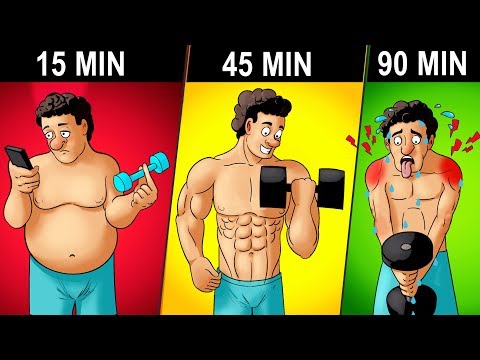
Related Video: "How Long Should Your Workouts Be? (45, 60, or 90 min)" by Gravity Transformation - Fat Loss Experts
Main Points
– Consider your schedule and available time when planning your weight workout
– Prioritize quality over quantity by adjusting exercises and repetitions based on time constraints
– Find the right balance between intensity and duration to manage fatigue levels and maximize effectiveness
– Pay attention to personalized recovery needs based on factors such as fitness level, age, sleep quality, nutrition, and workout intensity
Setting Realistic Time Goals

When setting realistic time goals for your weight workout, consider your schedule and available time to dedicate to your fitness routine. It’s essential to tailor your weightlifting session to fit within the time you have.
A well-rounded weight workout should typically last between 45 to 60 minutes. This timeframe allows for a thorough warm-up, the main workout, and a cool-down.
However, if you have less time, you can still achieve an effective workout by focusing on compound exercises that work multiple muscle groups simultaneously. For instance, exercises like squats, deadlifts, and bench presses can provide a comprehensive workout in a shorter time frame.
On the other hand, if you have more time to spare, you can incorporate additional exercises and increase the number of sets and repetitions. Remember, the key is to prioritize quality over quantity.
Balancing Intensity and Duration

When it comes to balancing intensity and duration in your weight workouts, it’s important to find the right equilibrium for your fitness goals.
You’ll need to consider the trade-off between pushing yourself to the limit and maintaining a sustainable workout length.
This balance is crucial for managing fatigue levels and maximizing the effectiveness of your training.
Intensity Vs Duration
Balancing the intensity and duration of your weight workout is crucial for achieving optimal results without overexerting yourself. When it comes to intensity versus duration, finding the right balance is key. Here are some essential tips to help you strike the perfect balance:
– Focus on high-intensity intervals to maximize your workout efficiency.
– Incorporate compound exercises to work multiple muscle groups simultaneously.
– Monitor your rest periods to ensure you’re challenging yourself without overexerting.
– Adjust your workout intensity based on your energy levels and recovery capacity.
– Pay attention to proper form and technique to prevent injury and maximize the effectiveness of your workout.
Optimal Workout Length
Finding the optimal workout length involves effectively balancing the intensity and duration of your weight workout, ensuring you maximize results without overexerting yourself. It’s important to focus on quality over quantity.
A weight workout lasting around 45 to 60 minutes is generally considered optimal for most people. This duration allows you to maintain a high level of intensity throughout the session without risking burnout. Keep in mind that the key is to make every minute count by engaging in compound movements and minimizing rest periods.
However, if you find yourself significantly fatigued before the 45-minute mark, it’s okay to conclude the workout. On the other hand, if you still feel energized after 60 minutes, don’t be afraid to extend the session slightly, but listen to your body and avoid overtraining.
Managing Fatigue Levels
To effectively manage fatigue levels during your weight workout, it’s essential to maintain a balance between intensity and duration. Pushing yourself too hard for too long can lead to burnout and increased risk of injury, while not challenging yourself enough may limit your progress. Here are some tips to help you strike the right balance:
– Vary the intensity of your workouts to prevent overexertion.
– Listen to your body and take breaks when needed to avoid excessive fatigue.
Incorporate active recovery days to allow your body to recuperate.
– Pay attention to your form to ensure you’re not wasting energy on improper movements.
– Gradually increase the duration and intensity of your workouts to build endurance without overwhelming your body.
Understanding Individual Recovery Needs

You should pay attention to your body’s individualized recovery needs.
Listen to any signals it gives you, such as soreness or fatigue, and adjust your training frequency accordingly.
Personalized recovery times can help you optimize your workout routine and prevent overtraining.
Personalized Recovery Times
Understanding individual recovery needs is essential for optimizing the effectiveness of your weight workout. Personalized recovery times vary from person to person, so it’s important to listen to your body and adjust accordingly. Here are some factors to consider when determining your personalized recovery times:
– Fitness Level: Beginners may require more recovery time compared to seasoned athletes.
– Age: Older individuals may need longer recovery periods than younger ones.
– Sleep Quality: Adequate sleep is crucial for effective recovery.
– Nutrition: A well-balanced diet can significantly impact your body’s ability to recover.
– Workout Intensity: More intense workouts may necessitate longer recovery periods.
Listen to Your Body
Understanding your body’s signals is crucial in determining the appropriate recovery times for your weight workouts. It’s essential to listen to how your body responds to each workout. Pay attention to signs of fatigue, soreness, and overall energy levels.
If you feel fatigued or excessively sore, it may indicate that your body needs more time to recover before your next weight workout. On the other hand, if you feel energized and ready to go, your body might be indicating that it’s ready for the next session.
Remember that everyone’s recovery needs are different, so it’s important to tune in to your body’s signals rather than adhering to a strict, one-size-fits-all schedule. By doing so, you can optimize your recovery and make the most out of your weight training sessions.
Adjust Training Frequency
Adjusting training frequency according to individual recovery needs can significantly impact the effectiveness of your weight workouts. Here are some factors to consider:
– Muscle Soreness: Pay attention to the duration of muscle soreness after each workout.
– Energy Levels: Monitor your energy levels throughout the week to determine if you need more rest days.
– Sleep Quality: Evaluate how well you’re sleeping and if you’re getting enough rest for recovery.
– Work and Life Stress: Take into account external stressors that may affect your body’s ability to recover.
– Training Intensity: Adjust your training frequency based on the intensity of your workouts to allow for proper recovery.
Understanding these individual recovery needs and making adjustments to your training frequency can help optimize your results and prevent overtraining.
Incorporating Rest Periods Strategically

To optimize the effectiveness of your weight workout, strategically incorporating rest periods is essential for allowing your muscles to recover and adapt. Rest periods are not just breaks; they are crucial for maximizing the benefits of your weight training. The length of your rest periods depends on various factors, including your fitness level, the specific exercises you are performing, and your overall workout goals.
| Rest Period | Exercise Type | Goal |
|---|---|---|
| 30-90 seconds | Compound movements involving multiple muscle groups | Strength and muscle growth |
| 60-120 seconds | Isolation exercises targeting specific muscle groups | Muscle hypertrophy |
| 120-180 seconds | Powerlifting movements with heavy weights | Maximal strength development |
Focusing on Quality Over Quantity

When it comes to your weight workout, remember that quality triumphs over quantity. Focus on maintaining proper form throughout each exercise to maximize muscle engagement and prevent injury.
Form Over Reps
Focus on maintaining proper form throughout your weight workout to maximize the effectiveness and safety of each repetition. By prioritizing form over reps, you can prevent injuries and ensure that each movement targets the intended muscles. Here are some tips to help you prioritize form over reps during your weight workout:
– Focus on controlled movements and avoid using momentum to swing the weights.
– Keep your core engaged and maintain a stable posture throughout each repetition.
– Pay attention to the full range of motion for each exercise to maximize muscle activation.
– Use a mirror or ask a trainer for feedback to ensure your form is correct.
– Lower the weight if you find yourself sacrificing form to complete the repetitions.
Prioritizing form over reps will lead to more effective and safer workouts, ultimately helping you achieve your fitness goals.
Mindful Muscle Engagement
For a more effective weight workout, prioritizing mindful muscle engagement over simply focusing on quantity can lead to better results and reduced risk of injury.

Related Video 2: "How Many Times A Week Should You Workout (Science-Based)" by Gravity Transformation - Fat Loss Experts
When you engage your muscles mindfully, you ensure that they’re being worked to their full potential with each repetition. Focus on feeling the muscle being worked, controlling the movement, and maintaining proper form throughout each exercise.
This intentional approach helps you avoid using momentum or relying on other muscle groups to complete the movement, leading to a more targeted and effective workout.
Efficient Targeted Exercises
Would engaging in efficient targeted exercises, focusing on quality over quantity, lead to better workout results? Absolutely! By honing in on specific muscle groups and performing exercises with precision and intention, you can maximize the effectiveness of your workout.
Here are some key tips to help you make the most of your targeted exercises:
– Focus on proper form and technique to ensure you’re effectively engaging the targeted muscles.
– Slow down the tempo of your movements to emphasize muscle contraction and control, enhancing the quality of each repetition.
– Incorporate mind-muscle connection techniques to mentally concentrate on the muscle being worked, optimizing its activation.
– Utilize targeted exercises that isolate specific muscle groups, allowing for concentrated and intense training of those areas.
– Prioritize quality over quantity, aiming for fewer, high-quality repetitions rather than mindlessly pumping out numerous reps.
Monitoring Progress and Adjusting

To ensure optimal results, regularly assess your performance and make necessary adjustments during your weight workout sessions. Monitoring your progress is crucial for identifying areas of improvement and ensuring that you’re challenging your body effectively. Keep track of the weights you’re lifting, the number of repetitions, and the duration of your rest periods. By doing so, you can gauge your progress over time and determine when it’s appropriate to increase the intensity of your workouts.
Additionally, pay attention to how your body feels during and after each exercise. If you consistently experience discomfort or pain, it may indicate that you need to adjust your technique or reduce the weight you’re lifting to prevent injury. Moreover, be mindful of your energy levels and overall performance. If you find that you’re struggling to complete exercises that were once manageable, it might be a sign that you need to modify your routine.
Remember that adjusting your workout routine isn’t a sign of weakness but rather a proactive approach to ensuring continued progress and minimizing the risk of injury. Listen to your body and make the necessary tweaks to keep your workouts effective and safe.
Maximizing Efficiency for Time Constraints

If you’re pressed for time, focus on compound movements to maximize the efficiency of your weight workout. Compound movements engage multiple muscle groups at once, allowing you to get more done in less time. Here are some tips to help you make the most of your time at the gym:
– Prioritize compound exercises such as squats, deadlifts, bench presses, and pull-ups to work multiple muscle groups simultaneously.
– Incorporate supersets to keep your heart rate up and work different muscle groups without taking extended breaks.
– Use minimal rest periods between sets to keep the intensity high and the workout moving quickly.
– Focus on functional movements that mimic everyday activities to ensure that you’re getting the most out of each exercise.
– Consider high-intensity interval training (HIIT) to incorporate cardio and strength training in a shorter amount of time.
Customizing Workouts for Specific Goals

Customize your weight workouts to target specific fitness goals, such as building strength, increasing muscle mass, or improving endurance. Tailoring your workouts to your desired outcome can help you achieve your fitness goals more effectively. Here’s a table to help you customize your workouts based on your specific fitness goals:
| Fitness Goal | Repetitions per Set | Rest Between Sets | Number of Sets | Intensity Level | Recommended Exercises |
| Building Strength | 4-6 | 2-3 minutes | 4-6 | High | Compound exercises (e.g., squats, deadlifts) |
| Increasing Muscle Mass | 8-12 | 1-2 minutes | 3-5 | Moderate | Isolation exercises (e.g., bicep curls, tricep extensions) |
| Improving Endurance | 12-15+ | 30-60 seconds | 2-3 | Low | Cardio-based exercises (e.g., cycling, running) |
Listening to Your Body for Optimal Length

Listening to your body’s signals during your weight workout is crucial for determining the optimal length of your session and ensuring you’re not overexerting yourself. Your body communicates its needs and limitations, and it’s essential to listen and respond accordingly.
Here are some signs to pay attention to when determining the length of your weight workout:
– Fatigue: If you start to feel excessively tired or weak, it may be a sign that your body needs a break.
– Muscle Soreness: Feeling an intense and prolonged soreness may indicate that your muscles need more time to recover.
– Decreased Performance: If you notice a significant drop in your strength or endurance during your workout, it could be a sign to wrap up your session.
– Lack of Focus: Difficulty concentrating or feeling easily distracted may signal mental and physical fatigue.
– Pain: Sharp or persistent pain should never be ignored. It’s your body’s way of telling you to stop and address the issue.
Consulting With a Fitness Professional

Consulting with a fitness professional can offer numerous benefits. Firstly, they can provide personalized guidance and tailored workout recommendations based on your individual needs and goals. They will assess your current fitness level, discuss your specific objectives, and help you create a workout plan that aligns with your aspirations.
Moreover, a fitness professional can play a crucial role in injury prevention. They can ensure that you’re using proper form and technique during your weight workouts, teaching you how to use equipment safely and effectively. They can also provide modifications for any exercises that may be challenging for you, reducing the risk of injury.
Additionally, a fitness professional can offer valuable insights on how to progress your workouts over time. By understanding your individual needs, limitations, and preferences, they can tailor a workout plan that’s sustainable and enjoyable for you. This personalized approach can help you stay motivated and committed to your fitness routine, ultimately leading to better results.
Frequently Asked Questions
What Are the Most Common Mistakes People Make When Determining the Length of Their Weight Workouts?
When determining the length of your weight workouts, the most common mistakes people make include:- Not allowing enough time for sufficient warm-up and cool-down.- Not adjusting the duration based on individual fitness levels and goals.- Not considering the intensity of the exercises.It's important to tailor the length of your weight workouts to your specific needs and abilities, ensuring that you're optimizing your time and efforts for the best results.
How Does the Duration of a Weight Workout Impact Muscle Growth and Strength Gains?
When it comes to muscle growth and strength gains, the duration of your weight workout plays a crucial role. Spending an adequate amount of time on your workout allows for proper muscle stimulation and fatigue, which are essential for promoting muscle growth and strength gains.However, spending too much time can lead to overtraining and hinder your progress. Finding the right balance in your workout duration is key to maximizing your results.


