

You may not realize that cutting fitness for women involves more than just hitting the gym and eating well. There are specific strategies that can help you achieve your fitness goals more effectively.
But where do you start? How can you ensure that your efforts are bringing about the results you desire? By implementing these six effective methods, you can optimize your fitness routine and see the progress you’ve been striving for.
Table of Contents
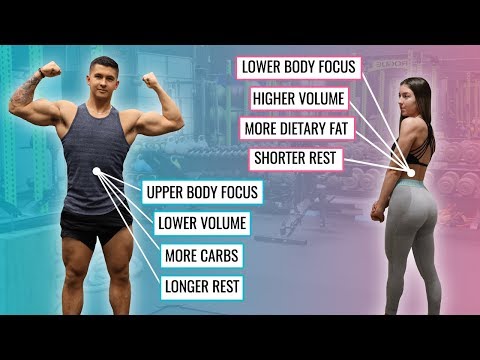
Related Video: "Men Vs Women: The Best Way To Lose Fat (KEY DIFFERENCES)" by Jeremy Ethier
Main Points
– Set specific and achievable goals using techniques like SMART goals
– Maintain a balanced nutrition plan with a variety of nutrient-dense foods
– Incorporate high-intensity interval training (HIIT) to boost endurance and calorie burn
– Stay adaptable and make adjustments to overcome plateaus and continue making progress
Setting Realistic Goals

Setting realistic goals is essential for any fitness program to be successful. It’s important to have realistic expectations when setting fitness goals. Unrealistic expectations can lead to frustration and disappointment, which may cause you to give up on your fitness journey.
When setting goals, use goal-setting techniques such as SMART goals – Specific, Measurable, Achievable, Relevant, and Time-bound. This means setting specific and clear goals, measuring your progress, ensuring they’re achievable, relevant to your overall fitness plan, and setting a time frame for achieving them.
By following these techniques, you can set realistic and achievable goals that will keep you motivated and on track. For example, instead of setting a goal like ‘I want to lose 20 pounds in a week,’ which is unrealistic and unhealthy, you could set a goal like ‘I want to lose 1-2 pounds per week over the next 10 weeks.’ This approach is more achievable and sets realistic expectations for your fitness journey.
Balancing Nutrition and Exercise

Balancing nutrition and exercise is crucial for achieving the realistic goals you’ve set for your fitness journey. To ensure you’re getting the most out of your efforts, it’s essential to strike a balance between what you eat and how you move.
First and foremost, focus on maintaining a healthy nutrition balance. This means consuming a variety of nutrient-dense foods, including lean proteins, complex carbohydrates, healthy fats, and plenty of fruits and vegetables. Adequate hydration is also key for supporting your exercise routine and overall well-being.
As you fine-tune your nutrition, don’t forget to pay attention to your exercise routine as well. Regularly assess how your body is responding to your workouts and be open to making adjustments. If you notice that certain exercises are causing discomfort or not yielding the desired results, consider modifying your routine. Whether it’s tweaking the intensity, duration, or type of exercise, being adaptable can help you achieve a more effective and sustainable fitness plan.
Incorporating High-Intensity Interval Training (HIIT)

Ready to take your fitness routine to the next level?
HIIT is a game-changer, offering efficient workouts with maximum impact.
Let’s explore the basics, benefits, and examples to help you incorporate HIIT into your fitness strategy.
HIIT Basics
Incorporating High-Intensity Interval Training (HIIT) into your fitness routine can significantly boost your overall endurance and calorie burn in a shorter amount of time. Here are the basics to get you started:
1. Workout Intensity: HIIT involves short bursts of intense exercise followed by brief rest periods. This high-intensity approach pushes your body to work harder and increases the overall calorie burn during and after the workout.
2. Exercise Duration: A typical HIIT session can range from 10 to 30 minutes, making it a time-efficient option for busy schedules. The key is to give maximum effort during the intense intervals to reap the benefits.
3. Variety of Exercises: HIIT can be adapted to various exercises such as sprints, cycling, or bodyweight exercises, allowing you to customize your routine based on your preferences and fitness level.
Benefits of HIIT
Boost your endurance and calorie burn with the incorporation of High-Intensity Interval Training (HIIT) into your fitness routine.
HIIT offers numerous benefits, including its effectiveness in improving cardiovascular health, boosting metabolism, and increasing endurance. The high-intensity intervals push your body to its limits, resulting in a significant impact on your fitness level.
Studies have shown that HIIT can produce impressive results in a shorter amount of time compared to traditional steady-state cardio. It not only burns calories during the workout but also continues to do so post-exercise, known as the afterburn effect. Additionally, HIIT can help improve insulin sensitivity and lower blood pressure.
The versatility of HIIT allows you to customize your workouts, making it suitable for individuals of various fitness levels.
HIIT Workout Examples
Incorporate High-Intensity Interval Training (HIIT) into your fitness routine to experience its numerous benefits, such as improving cardiovascular health, boosting metabolism, and increasing endurance, as discussed in the previous subtopic.
Here are some HIIT workout examples to get you started:
1. Sprint Intervals: Warm up for 5 minutes, then sprint for 30 seconds followed by 1 minute of walking or jogging. Repeat this cycle for 15-20 minutes.
2. Tabata Training: Perform an exercise (e.g., squats, push-ups, or burpees) at maximum intensity for 20 seconds, then rest for 10 seconds. Repeat this 8 times for a total of 4 minutes.
3. Circuit Training: Alternate between different strength exercises (e.g., lunges, kettlebell swings, and mountain climbers) with minimal rest in between sets for 20-30 minutes.
Tracking Progress and Adjusting Accordingly

You need to set clear fitness goals that are specific and achievable.
Monitoring your performance metrics, such as body measurements, strength gains, and endurance improvements, is crucial for tracking progress.
When necessary, make adjustments to your workout routine, diet, or overall strategy to ensure you stay on track and continue making progress toward your goals.
Setting Clear Goals
How can you measure your fitness progress and make necessary adjustments along the way to reach your goals effectively?
Setting clear goals is crucial for tracking progress and adjusting accordingly. Here are three ways to help you stay on track:
1. SMART Goals: Set Specific, Measurable, Achievable, Relevant, and Time-bound goals to provide clear direction and motivation.

Related Video 2: "How To Cut And Lose Weight The Right Way" by PictureFit
2. Progress Tracking: Keep a fitness journal or use apps to record your workouts, measurements, and achievements. This will help you identify patterns and areas for improvement.
3. Regular Assessments: Schedule regular assessments of your progress, such as body composition measurements or fitness tests. Use these assessments to adjust your goals and fitness routines accordingly.
Monitoring Performance Metrics
After setting clear goals, it’s essential to monitor performance metrics to track your progress and make necessary adjustments towards reaching your fitness objectives effectively.
Performance tracking allows you to measure your advancements and identify areas that may require improvement.
Regularly assessing your goals ensures that you stay on course and can adapt your fitness strategy as needed.
By monitoring performance metrics, such as strength gains, endurance levels, and body composition changes, you can gauge the effectiveness of your workouts and nutrition plan.
This data-driven approach empowers you to make informed decisions about your fitness routine, enabling you to optimize your efforts and maximize results.
Goal assessment is an ongoing process that helps you stay motivated and focused, ultimately leading to a more efficient and successful fitness journey.
Making Necessary Adjustments
To effectively track progress and make necessary adjustments in your fitness journey, start by regularly reviewing your performance metrics and identifying areas for improvement.
Once you have a clear understanding of your current status, you can then make the following necessary adjustments:
1. Adjusting Mindset: It’s essential to maintain a positive and adaptable mindset. Embrace challenges as opportunities for growth and stay open to changing your approach when needed.
2. Overcoming Plateaus: Recognize that plateaus are a natural part of the fitness journey. When progress stalls, consider modifying your workout routine, intensifying your workouts, or adjusting your nutritional intake to push through and continue making gains.
3. Tracking Changes: Keep detailed records of your adjustments and their effects. This will help you make informed decisions and maintain momentum in your fitness journey.
Embracing Strength Training

Embrace the benefits of strength training to elevate your fitness routine and achieve your goals more effectively. Building muscle through strength training not only enhances your physique but also boosts your metabolism, helping you burn more calories even at rest. Additionally, improving endurance is crucial for overall fitness and can be achieved through strength training. By incorporating a mix of compound exercises like squats, lunges, and deadlifts, you can effectively build strength and endurance simultaneously.
Furthermore, strength training plays a vital role in injury prevention by strengthening muscles and joints, reducing the risk of strains and sprains during other physical activities. It also contributes to better posture and balance, which are essential for everyday movements and overall well-being. As a result, embracing strength training as part of your fitness routine won’t only help you achieve your aesthetic goals but also enhance your overall physical capabilities.
Whether you’re lifting weights, using resistance bands, or doing bodyweight exercises, incorporating strength training will undoubtedly elevate your fitness journey.
Prioritizing Rest and Recovery

Considering the importance of rest and recovery in your fitness journey, it’s essential to prioritize adequate downtime for optimal physical and mental rejuvenation. Here are some effective ways to prioritize rest and recovery:
1. Mindfulness Practices: Incorporate mindfulness practices such as meditation, deep breathing, or yoga into your routine to promote relaxation and reduce stress. These practices can help calm the mind and improve sleep quality, allowing for better recovery.
2. Active Recovery Techniques: Engage in low-intensity activities like walking, swimming, or light stretching on your rest days. Active recovery helps to increase blood flow, reduce muscle soreness, and enhance overall recovery without causing additional stress on the body.
- Quality Sleep: Prioritize getting 7-9 hours of quality sleep each night as it plays a crucial role in muscle repair, hormone regulation, and overall well-being. Create a bedtime routine, avoid electronic devices before bed, and ensure your sleep environment is conducive to rest.
Frequently Asked Questions
How Can I Incorporate Mindfulness and Stress Management Into My Fitness Routine?
Incorporating mindfulness and stress management into your fitness routine can improve overall well-being.Practice mindful eating to savor and appreciate your food, leading to better digestion and satisfaction.Incorporate relaxation techniques like deep breathing, meditation, or yoga to reduce stress and promote mental clarity.This holistic approach will help you achieve a balanced and sustainable fitness routine, enhancing both physical and mental health.
What Are Some Effective Ways to Prevent and Manage Workout-Related Injuries?
To prevent workout-related injuries, focus on injury prevention and recovery techniques. Incorporate proper warm-ups, cool-downs, and stretching into your routine. Also, listen to your body and rest when needed.Strengthening muscles and maintaining good form are crucial. Additionally, consider cross-training to avoid overuse injuries and ensure overall fitness.If an injury occurs, seek professional guidance for proper recovery techniques to avoid exacerbating the issue.


