

Did you know that milk is one of the most commonly consumed post-workout beverages, with over 60% of athletes incorporating it into their recovery routine?
But is it really beneficial for your fitness goals? Before you reach for that carton of milk after your next workout, let’s explore 10 key facts that will help you make an informed decision about whether it’s good to drink milk after exercise.
From its protein content to its impact on muscle recovery, there’s a lot to consider when it comes to this popular post-exercise beverage.
Table of Contents

Related Video: "Benefits of Drinking Milk After Workout and Exercises!!" by Health Break
Main Points
– Milk is an excellent choice for post-workout recovery due to its nutritional benefits.
– The combination of whey and casein proteins in milk supports muscle recovery and repair.
– Milk replenishes glycogen stores and provides essential nutrients for optimal muscle function.
– Milk helps maintain hydration and electrolyte balance, crucial for post-workout recovery.
Nutritional Benefits of Milk After Workout

After your workout, drinking milk provides essential nutrients to aid in muscle recovery and replenish energy stores. Milk contains high-quality protein, which is crucial for repairing and rebuilding muscle tissue that may have been damaged during exercise. Additionally, the carbohydrates in milk help replenish glycogen stores, which are the primary fuel for your muscles during high-intensity workouts.
The combination of protein and carbohydrates in milk makes it an ideal post-workout drink for promoting muscle recovery and restoring energy levels.
Furthermore, milk is rich in important electrolytes such as potassium and sodium, which are lost through sweat during exercise. Replenishing these electrolytes is essential for maintaining proper muscle function and hydration levels after a workout.
Additionally, the vitamins and minerals present in milk, including calcium, vitamin D, and B vitamins, support overall bone health, immune function, and energy metabolism.
Protein Content in Milk

Milk packs a punch when it comes to protein content, making it an excellent choice for post-workout recovery.
You may be interested to know about the different types of protein found in milk, each with its own unique benefits.
Understanding how the body absorbs protein from milk can also shed light on its effectiveness as a post-exercise beverage.
Milk’s Protein Benefits
Consuming milk post-workout can provide essential protein for muscle recovery and growth, contributing to your overall fitness goals. Milk is an excellent post workout drink due to its protein benefits. Here are five reasons why milk’s protein content makes it an ideal choice:
– Complete Protein: Milk contains all the essential amino acids needed for muscle repair and growth.
– Fast Absorption: The protein in milk is quickly absorbed, making it ideal for post-workout recovery.
– Muscle Maintenance: Drinking milk can help maintain and build lean muscle mass.
– Satiety: The protein in milk helps you feel full, aiding in post-workout hunger and overeating.
– Bone Health: Milk’s protein content also supports bone health, contributing to overall fitness and strength.
Types of Milk Protein
To further understand the benefits of milk’s protein for post-workout recovery, it’s important to explore the different types of milk protein and their respective content. When considering whether you should drink milk after a workout, understanding the protein content is essential. Milk contains two primary types of protein: casein and whey. Here’s a breakdown of the protein content in 1 cup (240ml) of cow’s milk:
| Protein Type | Content (grams) |
|---|---|
| Casein | 8 |
| Whey | 8 |
Both types of protein are considered high-quality and are rich in essential amino acids, making them beneficial for muscle recovery and growth. So, if you’re wondering, “Is milk good after a workout?” – the answer is yes, as it provides a good balance of both casein and whey proteins to support your post-exercise nutrition.
Protein Absorption in Milk
Understanding how the different types of protein in milk are absorbed by the body can provide insight into its effectiveness as a post-workout recovery drink.
Milk contains two main types of protein: whey and casein. These proteins are known for their high quality and quick absorption, making milk an ideal choice for post-workout replenishment.
Here’s how the protein in milk is absorbed:
– Whey protein is quickly digested and absorbed into the bloodstream, making it an excellent option for rapidly replenishing amino acids after a workout.
– Casein protein forms a gel-like substance in the stomach, leading to a slower and more sustained release of amino acids into the bloodstream.
– The combination of whey and casein in milk provides both immediate and prolonged protein absorption.
– Milk’s protein content makes it a valuable post-workout drink for muscle recovery and growth.
– The unique blend of proteins in milk makes it a versatile choice for athletes seeking efficient protein absorption.
Impact on Muscle Recovery

After your workout, drinking milk can aid in the recovery of your muscles by providing essential nutrients and promoting muscle protein synthesis. Milk contains a mix of whey and casein proteins, both of which are beneficial for muscle recovery. The whey protein is quickly digested, leading to a rapid increase in protein synthesis, while casein is digested slowly, providing a steady and prolonged supply of amino acids to your muscles. This combination makes milk an ideal post-workout beverage for muscle recovery. Additionally, milk is a good source of carbohydrates, particularly lactose, which helps replenish glycogen stores in your muscles, providing them with the energy they need to recover and grow. The table below summarizes the impact of milk on muscle recovery after a workout.
| Nutrient | Role | Impact on Muscle Recovery |
| Whey Protein | Rapid increase in protein synthesis | Promotes muscle recovery |
| Casein Protein | Prolonged amino acid supply | Supports muscle repair |
| Carbohydrates | Glycogen replenishment | Provides energy for recovery |
Comparison With Other Post-Workout Drinks

When choosing a post-workout drink, consider the nutritional benefits and impact on muscle recovery to make an informed decision. While milk is often touted as an excellent post-workout drink, it’s essential to compare it with other options to understand its advantages. Here’s how milk stacks up against other post-workout drinks:
– Protein Content: Milk contains a balanced mix of whey and casein proteins, which can aid in muscle recovery.
– Carbohydrate Levels: With its natural sugar content, milk provides a source of carbohydrates to replenish glycogen stores after exercise.
– Hydration Benefits: Milk contains water, electrolytes, and essential nutrients, making it a hydrating option post-exercise.
– Vitamins and Minerals: Milk is rich in calcium, potassium, and vitamin D, contributing to overall bone health and muscle function.
– Digestibility: Compared to some other post-workout drinks, milk is generally well-tolerated and easily digested, making it a convenient choice for many individuals.
When considering a post-workout drink, remember that individual preferences and dietary restrictions play a significant role in determining the most suitable option for you. While milk offers numerous benefits as a post-workout drink, it’s essential to consider your personal needs and preferences when making a choice.
Hydration and Electrolyte Balance

You know that staying hydrated is crucial after a workout, but did you know that milk can help with that?
Replenishing electrolytes is also important, and milk can help with that too.
Let’s explore the benefits of drinking milk after your workout.
Hydration Importance
Ensuring proper hydration and electrolyte balance is crucial for optimal post-workout recovery and performance.
Hydration is essential for regulating body temperature, maintaining blood volume, and transporting nutrients throughout your body. When you exercise, you lose fluids through sweat, and it’s important to replenish these losses to avoid dehydration.
Electrolytes, such as sodium, potassium, and magnesium, play a key role in muscle function and hydration. Replenishing these electrolytes is vital for maintaining proper fluid balance and preventing muscle cramps.
Additionally, adequate hydration supports the body’s natural detoxification processes, helping to eliminate metabolic waste products. Proper hydration can also aid in reducing muscle soreness and fatigue after a workout.
Remember to drink fluids before, during, and after your workout to stay adequately hydrated and maintain electrolyte balance.
Electrolyte Replenishment
Proper hydration and replenishing electrolytes are essential for supporting your body’s natural detoxification processes and preventing muscle cramps, aiding in reducing muscle soreness and fatigue after a workout. When considering is milk a good post-workout drink, it’s important to note that milk contains essential electrolytes such as potassium, calcium, and sodium, which are vital for rehydration and muscle function.
Potassium helps maintain proper muscle function and fluid balance, while calcium supports muscle contractions and bone health. Additionally, the sodium in milk can aid in replenishing electrolytes lost through sweat during exercise. Therefore, incorporating milk into your post-workout routine can be beneficial for replenishing electrolytes and aiding in muscle recovery.
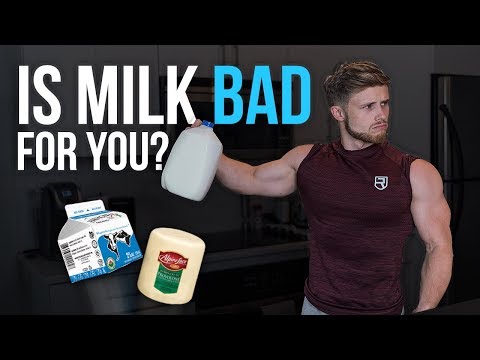
Related Video 2: "The Science of MILK (Is It Really Good For You?) | Acne, Cancer, Bodyfat..." by Jeff Nippard
Post-Workout Milk Benefits
After a strenuous workout, incorporating milk into your post-exercise routine can help replenish essential electrolytes and support hydration for optimal muscle recovery. Milk contains a balanced mix of electrolytes, including potassium, calcium, and magnesium, which are lost through sweat during exercise.
Here are some benefits of post-workout milk consumption:
– Replenishes electrolytes lost during exercise
– Supports hydration for muscle recovery
– Provides a convenient and readily available source of essential nutrients
– Helps maintain proper fluid balance in the body
– Aids in preventing muscle cramps and fatigue
Digestibility and Absorption

To maximize the benefits of drinking milk after your workout, it’s important to consider how well your body digests and absorbs its nutrients. Milk contains two types of protein, whey, and casein.
Whey protein is quickly digested, making it an excellent choice for post-workout consumption as it helps to kickstart muscle recovery. On the other hand, casein is a slow-digesting protein, providing a steady release of amino acids to support muscle repair over a more extended period.
The combination of these two proteins in milk makes it an ideal post-workout beverage as it can provide both immediate and sustained support for muscle recovery.
In addition to proteins, milk also contains carbohydrates and fats, which further contribute to its overall nutritional profile. The carbohydrates in milk can help replenish glycogen stores, while the fats aid in the absorption of fat-soluble vitamins. Moreover, the presence of calcium in milk can also support muscle function and help with the overall recovery process.
Therefore, the digestibility and absorption of these essential nutrients in milk make it a valuable option for post-workout replenishment.
Influence on Weight Management

Now let’s talk about how drinking milk after your workout can influence your weight management.
It can impact your metabolism, potentially helping you burn more calories throughout the day.
Additionally, it may play a role in promoting fat burning while aiding in muscle recovery.
Impact on Metabolism
Drinking milk post-workout can positively impact your metabolism and contribute to effective weight management. When you consume milk after exercising, it can help in the following ways:
– Muscle Repair: The high-quality protein in milk aids in repairing and rebuilding muscles after a workout.
– Energy Replenishment: The carbohydrates in milk can help replenish your energy stores, supporting your metabolism.
– Hydration: Milk’s high water content helps rehydrate your body, supporting metabolic processes.
– Nutrient Absorption: The combination of protein, carbohydrates, and essential nutrients in milk can aid in nutrient absorption, supporting overall metabolic function.
– Appetite Control: The protein in milk can help you feel full, potentially preventing overeating and aiding in weight management.
Effect on Fat Burning
After replenishing your energy stores and supporting muscle repair with milk post-workout, you can also benefit from its potential to enhance fat burning and weight management.
The combination of whey and casein proteins in milk can help in promoting fat loss and preserving lean muscle mass. Whey protein, quickly absorbed, aids in the synthesis of muscle protein, which can boost metabolism and support fat burning.
On the other hand, casein protein provides a slow release of amino acids, promoting a feeling of fullness and helping in the maintenance of muscle mass, which is crucial for weight management.
Additionally, the calcium in milk may play a role in regulating body weight and fat metabolism.
Role in Muscle Recovery
You can enhance your weight management efforts by including milk in your post-workout routine, as it plays a crucial role in muscle recovery and preserving lean muscle mass. Milk contains essential nutrients that support muscle repair and growth, making it an ideal choice for aiding in your fitness journey.
Here’s how milk contributes to muscle recovery:
– High-quality protein content supports muscle repair and growth
– Contains carbohydrates to replenish glycogen stores
– Provides essential electrolytes like potassium and sodium for rehydration
– Offers a balanced ratio of carbohydrates to protein, ideal for post-workout recovery
– The naturally occurring calcium in milk aids in muscle contractions and overall muscle function
Incorporating milk into your post-workout regimen can help optimize your muscle recovery, ultimately supporting your weight management goals.
Potential Allergies and Intolerances

If you experience any adverse reactions after consuming milk, such as bloating, gas, or skin rashes, it may indicate a potential allergy or intolerance. These reactions can be caused by the body’s inability to properly digest the lactose or protein found in milk.
Lactose intolerance is a common condition where the body lacks the enzyme lactase, necessary to break down lactose. This can lead to symptoms like bloating, gas, and diarrhea.
On the other hand, a milk allergy involves the immune system reacting to the proteins in milk, triggering symptoms such as hives, swelling, or even anaphylaxis in severe cases.
It’s important to differentiate between lactose intolerance and milk allergy, as the management and implications of each condition vary.
If you suspect that you may have an allergy or intolerance to milk, it’s crucial to consult a healthcare professional for proper diagnosis and guidance. They can conduct tests to determine the specific condition and provide advice on suitable dietary alternatives to ensure you meet your nutritional needs without experiencing adverse reactions.
Timing: Best Period to Consume Milk

For optimal benefits, consuming milk within 30 minutes of completing your workout can aid in muscle recovery and replenishment. During this post-workout period, your body is in a state where it can most effectively utilize nutrients to repair and build muscle tissues. Milk, with its combination of whey and casein proteins, carbohydrates, and essential nutrients, can be particularly beneficial during this window of opportunity.
Here are some key reasons why consuming milk shortly after your workout can be advantageous:
– Protein Synthesis: The protein in milk can stimulate muscle protein synthesis, promoting muscle repair and growth.
– Rehydration: Milk’s high water content can help rehydrate your body after exercise, aiding in recovery.
– Carbohydrate Replenishment: The natural sugars in milk can help replenish glycogen stores, providing a quick source of energy for your muscles.
– Nutrient Delivery: Milk contains essential nutrients like calcium, potassium, and vitamin D, which are important for overall muscle and bone health.
– Convenience: Milk is a convenient and readily available option for post-workout nutrition, making it easy to incorporate into your routine.
Considerations for Different Fitness Goals

Achieving different fitness goals requires tailoring your post-workout nutrition to meet specific needs and objectives.
If your goal is muscle gain, consuming milk after a workout can be beneficial due to its high protein content, which supports muscle repair and growth.
For those aiming to lose weight, it’s important to consider the overall calorie intake, and while milk provides essential nutrients, including protein and calcium, opting for low-fat or non-fat milk can help manage calorie consumption.
Endurance athletes, such as long-distance runners or swimmers, may benefit from the carbohydrates in milk, aiding in replenishing glycogen stores for sustained energy.
However, individuals with lactose intolerance or dairy allergies should seek alternative post-workout options to avoid digestive discomfort.
Furthermore, if your fitness goal is to maintain general health and fitness, moderate milk consumption can contribute to a well-rounded diet, but it’s essential to consider individual dietary preferences and tolerances.
Ultimately, tailoring post-workout nutrition, including the decision to consume milk, should align with your specific fitness objectives and dietary requirements.
Frequently Asked Questions
Can Lactose Intolerant Individuals Still Benefit From Drinking Milk After a Workout?
Yes, lactose intolerant individuals can still benefit from drinking milk after a workout.Opt for lactose-free or alternative milk options like almond or soy milk.These alternatives provide similar benefits as regular milk, such as protein and carbohydrates to aid in recovery.Just be sure to choose a milk alternative that aligns with your dietary needs and preferences.
Will Drinking Milk After a Workout Make Me Gain Weight?
Drinking milk after a workout won't necessarily make you gain weight. It can actually be beneficial as it provides a good source of protein and nutrients for muscle recovery.Just be mindful of portion sizes and overall calorie intake to ensure it aligns with your fitness goals. Incorporating milk into a well-balanced post-workout meal plan can be a healthy choice, especially when combined with regular exercise.


