

So, you’ve heard about the Pacer Test in gym class, and you’re curious to understand more about it. You may have some questions about what it entails and why it’s used.
Well, let’s just say that the Pacer Test is a significant component of physical fitness assessment in many schools. But there’s more to it than just running back and forth.
It’s essential to grasp the purpose, mechanics, and strategies behind the Pacer Test to navigate it successfully. Stick around to uncover the ins and outs of this fitness evaluation and how you can excel in it.
Table of Contents

Related Video: "PACER Fitness Test (Beep Test) vs. Subscribers" by Nick Symmonds
Main Points
– The Pacer Test measures aerobic capacity, cardiovascular fitness, and overall stamina.
– The test involves running back and forth across a 20-meter distance, with speed and frequency increasing at set intervals.
– The score is based on the number of shuttles completed, and a higher score indicates better cardiovascular fitness.
– The Pacer Test can be used to track progress, set fitness targets, and motivate individuals to improve their fitness levels.
Understanding the Pacer Test

If you want to understand the Pacer Test, focus on its purpose and the specific skills it assesses.
The Pacer Test, also known as the Progressive Aerobic Cardiovascular Endurance Run (PACER), is a fitness assessment used to measure aerobic capacity and endurance. It’s a popular test in gym classes and sports training programs to evaluate an individual’s cardiovascular fitness and stamina.
The test involves running back and forth across a 20-meter distance, with the speed increasing at set intervals. The Pacer Test is designed to assess an individual’s ability to sustain prolonged periods of physical activity and is particularly useful in determining one’s cardiovascular endurance and overall fitness level.
Purpose of the Pacer Test

To fully grasp the significance of the Pacer Test, consider its purpose as a key factor in evaluating your cardiovascular fitness and endurance. The Pacer Test is designed to assess your aerobic capacity, also known as your cardiovascular endurance. By participating in this test, you aren’t only challenging your physical limits but also measuring your ability to sustain prolonged exercise. The test serves as an indicator of your heart and lung efficiency, as well as your overall stamina.
Furthermore, the Pacer Test aims to motivate individuals to improve their fitness levels. By setting benchmarks and goals, it encourages you to work on enhancing your endurance and cardiovascular health. The test provides a clear measure of your progress over time, allowing you to track improvements in your fitness and endurance. It also offers valuable insights into areas that may require additional focus and training.
Ultimately, the purpose of the Pacer Test is to promote a healthy and active lifestyle. It serves as a tool for both educators and individuals to assess and improve cardiovascular fitness, thereby contributing to overall well-being and physical health.
How the Pacer Test Works

Now, let’s talk about how the Pacer Test works.
You’ll learn about the test structure and the scoring system used to measure your performance.
Understanding these points will help you prepare and perform your best during the Pacer Test.
Test Structure
The Pacer Test measures your aerobic capacity by progressively increasing the speed and frequency of running back and forth across a 20-meter distance. As the test progresses, the time allotted for each 20-meter run decreases, requiring you to run faster as the beeps get closer together. Here’s a breakdown of the test structure:
| Level | 20-Meter Shuttles |
|---|---|
| 1 | 7 |
| 2 | 8 |
| 3 | 8 |
The test starts at a relatively easy pace but becomes more challenging as the beeps get closer together. The goal is to keep up with the beeps for as long as possible. This structure effectively evaluates your aerobic capacity and endurance.
Scoring System
Curiously, how do you achieve a higher score on the Pacer Test, and what does the scoring system entail?
The Pacer Test scoring system is based on the number of shuttles completed by the participants. Here’s how the scoring works:
– Each time you complete a shuttle back and forth across the gym, your score increases.
– The speed of the shuttles progressively increases, requiring you to run faster as the test continues.
– The score is announced in increments, and you must reach the line before the beep sounds to continue.
– It’s crucial to pace yourself to last as long as possible and achieve a higher score.
– Your final score is the number of shuttles completed before you can no longer keep up with the beeps.
Scoring and Interpretation

Understanding how to score and interpret the results of the Pacer Test is essential for accurately gauging your fitness level and setting future goals.
The score you achieve in the Pacer Test reflects your cardiovascular endurance and overall fitness level. The test measures how many 20-meter shuttle runs you can complete at a specified pace, with the speed increasing as the test progresses. The score is determined by the number of laps you successfully complete before you can no longer keep up with the pace and the test ends.
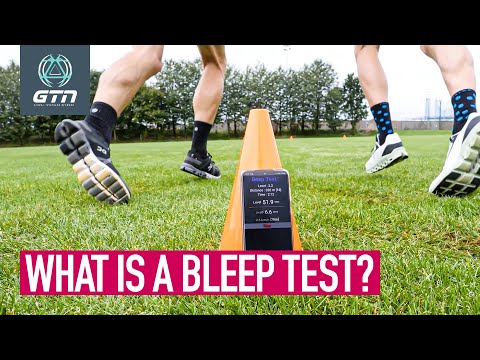
Related Video 2: "What Is A Bleep Test & Does It Work? | GTN Does Science" by Global Triathlon Network
Interpreting your Pacer Test score involves comparing it to age and gender-based norms to understand where you stand in relation to your peers. Additionally, tracking your scores over time can help you monitor your progress and set achievable fitness targets.
A higher score generally indicates better cardiovascular fitness. However, it’s important to remember that individual results can vary based on factors like age, fitness level, and health status.
Utilize your Pacer Test scores as a tool to motivate yourself and track improvements in your overall fitness and endurance levels.
Tips for Pacer Test Success

To improve your performance on the Pacer Test, focus on building your cardiovascular endurance and agility through regular practice and targeted exercises. Incorporate these tips into your training routine to maximize your success:
– Interval Training: Incorporate short bursts of high-intensity sprints followed by brief recovery periods to simulate the demands of the Pacer Test.
– Plyometric Exercises: Engage in explosive movements like jumping jacks, burpees, and lateral hops to enhance agility and power.
– Consistent Running: Incorporate regular running sessions into your training to build endurance and familiarize yourself with the demands of continuous running.
– Proper Breathing Techniques: Practice diaphragmatic breathing to optimize oxygen intake and improve endurance during the test.
– Hydration and Nutrition: Stay well-hydrated and fuel your body with nutrient-dense meals to support energy levels and overall performance.
Implementing the Pacer Test

Implementing the Pacer Test requires careful planning and execution to ensure accurate assessment of participants’ cardiovascular endurance. To effectively implement the Pacer Test in your gym or fitness program, consider the following key steps:
| Key Steps for Implementing the Pacer Test | Description |
| Educate Participants | Inform participants about the test’s purpose and procedures. |
| Set Up Cones and Markers | Create a designated running area with clear start and end points. |
| Establish Testing Protocol | Clearly communicate the test instructions and rules to all participants. |
| Use Appropriate Timing System | Utilize a reliable timing system to accurately measure participants’ intervals. |
| Record Results | Document each participant’s score and progress for future comparison. |
Frequently Asked Questions
Are There Any Alternative Fitness Tests That Can Be Used Instead of the Pacer Test?
If you're looking for an alternative to the pacer test, there are a few options to consider.The one-mile run, shuttle run, or the 12-minute run/walk test are popular alternatives that can provide similar assessments of cardiovascular fitness and endurance.Each test has its own specific protocols, but they can be effective substitutes for the pacer test in evaluating aerobic capacity and overall fitness.
Is the Pacer Test Suitable for Individuals With Certain Physical Limitations or Disabilities?
The Pacer Test may not be suitable for individuals with certain physical limitations or disabilities. It requires continuous running back and forth, which can be challenging for those with mobility issues.According to the CDC, about 13.7% of adults in the U.S. have mobility limitations, making it important to consider alternative fitness tests.Consult with a healthcare professional to determine the best fitness assessment for your specific needs.


