

If you’re looking to gain muscle, mastering the art of workout duration is crucial. Finding the right balance between too little and too much time spent exercising can be a challenge, but it’s a key factor in achieving your muscle-building goals.
So, how long should your workouts be? It’s a question that many individuals grapple with as they strive to optimize their time in the gym. But fear not, as we delve into this topic, we’ll uncover eight insightful tips to help you navigate the intricacies of workout duration for muscle growth.
Table of Contents
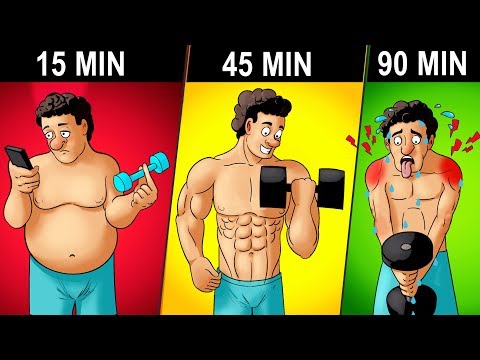
Related Video: "How Long Should Your Workouts Be? (45, 60, or 90 min)" by Gravity Transformation - Fat Loss Experts
Main Points
– Set clear and achievable goals for muscle building and tailor workout duration accordingly.
– Incorporate compound movements into your workouts to engage multiple muscle groups simultaneously.
– Implement progressive overload by gradually increasing resistance, reps, and sets.
– Prioritize rest, recovery, and proper nutrition for optimal muscle growth and overall performance.
Set Clear Goals

To make progress in building muscle, it’s crucial to set clear and achievable goals for yourself. When considering how long you should work out to build muscle, it’s important to tailor your workout duration to your specific goals.
A good rule of thumb is to aim for 45 to 60 minutes per session. This timeframe allows you to engage in a comprehensive workout that targets different muscle groups while minimizing the risk of overtraining or injury.
However, the key isn’t just the length of the workout, but rather the quality and intensity of the exercises you perform within that time. It’s essential to focus on compound movements and incorporate progressive overload to stimulate muscle growth effectively.
Focus on Compound Movements

When building muscle, focusing on compound movements is crucial for maximizing your workout effectiveness. Compound exercises, such as squats, deadlifts, and bench presses, engage multiple muscle groups simultaneously, leading to more efficient muscle growth.
Key Compound Exercises
Compound exercises are fundamental for building muscle mass and strength in an effective and efficient manner. To maximize your muscle-building potential, focus on key compound movements such as:
– Squats: Engages multiple muscle groups including the quadriceps, hamstrings, glutes, and lower back.
– Bench Press: Targets the chest, shoulders, and triceps, promoting upper body strength and muscle growth.
– Deadlifts: Works the entire posterior chain, including the back, glutes, and hamstrings, to develop overall strength and power.
– Pull-Ups/Chin-Ups: Engage the back, biceps, and shoulders, promoting upper body muscle development and strength.
Incorporating these compound exercises into your workout routine will allow you to efficiently target multiple muscle groups, leading to significant muscle growth and overall strength gains.
Benefits of Compound Movements
Engaging in compound movements is essential for maximizing muscle growth and strength in your workout routine. Compound movements involve multiple joints and muscle groups, allowing you to lift heavier weights and work more muscles simultaneously. This leads to greater muscle activation and overall strength gains.
By incorporating exercises like squats, deadlifts, bench presses, and pull-ups into your workouts, you stimulate a larger amount of muscle mass, resulting in more efficient and effective training sessions. Additionally, compound movements mimic real-life activities and improve functional strength, making everyday tasks easier to perform.
They also help to enhance coordination and stability by engaging various muscle groups in a coordinated manner. Overall, integrating compound movements into your workout regimen is a strategic approach for achieving optimal muscle development and functional fitness.
Incorporate Progressive Overload

To build muscle effectively, you should gradually increase the demands placed on your muscles during exercise, known as progressive overload. This principle is crucial for muscle growth and strength gains. Here’s how to incorporate progressive overload into your workout routine:
– Increase Resistance: Gradually add more weight to your exercises to challenge your muscles.
– Adjust Reps and Sets: Increase the number of repetitions or sets you perform to push your muscles to adapt and grow.
– Enhance Intensity: Focus on lifting with proper form and control, and gradually increase the intensity of your workouts.
– Vary Your Exercises: Incorporate new movements and variations to keep challenging your muscles in different ways.
Incorporating progressive overload into your workouts ensures that your muscles are continually challenged, which is essential for growth. Remember, the key is gradual progression to avoid injury and allow your body to adapt to the increasing demands.
Prioritize Rest and Recovery

You need to prioritize rest and recovery in your muscle-building journey.
Rest is essential for your muscles to repair and grow, while recovery aids in muscle growth and overall performance.
Don’t overlook the importance of giving your body the rest it needs to maximize your muscle-building efforts.
Rest Is Essential
Prioritizing rest and recovery is essential for building muscle effectively and safely. By giving your body the time it needs to repair and grow, you can maximize the results of your hard work in the gym.
Here are some key reasons why rest is essential:
– Muscle Repair: Rest allows your muscles to recover from the stress of exercise and repair any damage, leading to muscle growth.
– Hormone Balance: Proper rest helps regulate hormone levels, such as testosterone and growth hormone, which are crucial for muscle building.
– Injury Prevention: Adequate rest reduces the risk of overuse injuries, allowing you to stay consistent with your workouts.
– Mental Refreshment: Resting gives your mind a break, allowing you to approach your workouts with renewed focus and energy.
Recovery Aids Growth
Rest and recovery are crucial for promoting muscle growth and maximizing the results of your hard work in the gym. Giving your body time to rest allows for muscle repair and growth. Here are some recovery aids that can help you optimize your muscle-building efforts:
| Recovery Aid | Description |
|---|---|
| Adequate Sleep | Aim for 7-9 hours of quality sleep per night. |
| Proper Nutrition | Consume a balanced diet rich in protein and carbs. |
| Active Recovery | Engage in light activities like walking or yoga. |
| Hydration | Drink plenty of water to support muscle recovery. |
Don’t Overlook Rest
Rest and recovery are essential factors in building muscle, ensuring that your body has the opportunity to repair and grow stronger after your workouts. When it comes to optimizing your rest and recovery, don’t overlook the importance of these key factors:
– Sleep: Aim for 7-9 hours of quality sleep each night to support muscle repair and growth.
– Active recovery: Engage in light activities such as walking or yoga on rest days to promote blood flow and aid in recovery.
– Nutrition: Consume a balanced diet rich in protein, carbohydrates, and healthy fats to provide your body with the nutrients it needs to recover effectively.
– Stress management: Practice stress-reducing activities such as meditation or deep breathing exercises to support your body’s recovery process.

Related Video 2: "How Many Times A Week Should You Workout (Science-Based)" by Gravity Transformation - Fat Loss Experts
Prioritizing rest and recovery is just as crucial as your workouts when it comes to building muscle effectively.
Limit Workout Duration

To maximize muscle growth, keeping your workout duration between 45-60 minutes is recommended to optimize intensity and prevent overtraining. When you exceed the one-hour mark, the production of the stress hormone cortisol begins to rise, potentially leading to muscle breakdown and hindered growth. Here’s a breakdown of why limiting your workout duration is crucial:
| Benefits of Limiting Workout Duration | Explanation |
| Prevent Overtraining | Limiting workout duration helps prevent overtraining, which can lead to muscle fatigue and decreased performance. |
| Optimizes Intensity | Keeping your workouts within the 45-60 minute range allows you to maintain a high level of intensity throughout, promoting muscle growth. |
| Minimizes Cortisol Production | Longer workouts can lead to an increase in cortisol levels, which can have a catabolic effect on muscle tissue. Limiting duration helps minimize this effect. |
Listen to Your Body

Pay attention to your body’s signals and adjust your workout intensity and frequency accordingly for optimal muscle growth. Your body has its way of communicating its needs, and tuning in to these signals can greatly impact your muscle-building journey.
Here are some key points to consider when listening to your body:
– Pain vs. Discomfort: Distinguish between normal discomfort associated with pushing your limits and actual pain that may indicate an injury. It’s crucial to know when to push through and when to ease off.
– Recovery Time: Monitor how your body responds to your workouts and adjust your frequency accordingly. Your body’s recovery time may vary, so listen to it and give yourself the rest you need.
– Energy Levels: Pay attention to your energy levels during and after your workouts. Feeling excessively fatigued or drained might indicate that you need to adjust your intensity or take more rest days.
– Muscle Soreness: Understand the difference between muscle soreness from a good workout and persistent, debilitating soreness. Adjust your workout intensity to find the balance that promotes muscle growth without causing excessive soreness.
Listening to your body and making adjustments accordingly is essential for sustainable muscle growth and overall well-being.
Consider Individual Differences

Understanding your unique body composition and genetic predispositions is crucial when considering individual differences in muscle-building strategies. Factors such as muscle fiber type, metabolism, and hormone levels can vary greatly among individuals, influencing how they respond to different training methods and nutritional approaches. To help you better understand how individual differences can impact muscle-building efforts, consider the following table:
| Factor | Influence on Muscle Building | Implications |
| Muscle Fiber Type | Determines responsiveness to strength or endurance training | Tailor your workouts to emphasize your predominant muscle fiber type for optimal results |
| Metabolism | Affects energy expenditure and nutrient utilization | Adjust your calorie intake and macronutrient ratios based on your metabolic rate |
| Hormone Levels | Impact muscle growth, recovery, and fat metabolism | Consider hormone-specific strategies such as optimizing sleep and managing stress levels |
Seek Professional Guidance

Considering the potential impact of individual differences on your muscle-building journey, seeking professional guidance can provide tailored strategies and expert advice to optimize your training and nutritional approach. When you work with a professional, you can benefit from personalized recommendations that take into account your specific body type, fitness level, and goals.
Here are some reasons why seeking professional guidance is crucial for building muscle:
– Customized Workout Plans: A professional can create a workout plan tailored to your goals and abilities, ensuring that you’re targeting the right muscle groups and progressing effectively.
– Nutritional Expertise: Professionals can offer personalized nutrition advice, helping you fuel your body with the right balance of nutrients to support muscle growth and recovery.
– Injury Prevention: With professional guidance, you can learn proper form and technique, reducing the risk of injury during your workouts.
- Accountability and Support: Working with a professional provides accountability and support, helping you stay motivated and on track with your muscle-building journey.
Frequently Asked Questions
How Can I Determine What My Specific Muscle-Building Goals Should Be?
To determine your specific muscle-building goals, start by assessing your current fitness level and identifying areas you want to improve. Consider factors such as muscle size, strength, and overall physique.Set realistic and measurable goals that align with your desired outcomes. Whether it's increasing muscle mass, improving strength, or sculpting specific muscle groups, defining clear objectives will help you tailor your workouts and track your progress effectively.
Are There Specific Compound Movements That Are More Effective for Building Muscle?
To build muscle effectively, compound movements like squats, deadlifts, and bench presses are crucial. These exercises engage multiple muscle groups simultaneously, maximizing muscle growth and strength.Incorporating these compound movements into your workout routine can help you achieve your muscle-building goals more efficiently. Aim for proper form and gradually increase the weight to challenge your muscles and stimulate growth.Remember to consult a fitness professional for personalized guidance and safety.


