

Curious about how a single workout can effectively target six different muscle groups? You’ve probably heard about the benefits of rowing machine workouts, but understanding the specific muscles they engage can take your fitness knowledge to the next level.
Whether you’re aiming to strengthen your upper body, tone your lower body, engage your core, improve cardiovascular fitness, or maximize calorie burning, the rowing machine offers a full-body workout that’s tough to beat. But how exactly does it achieve this?
Keep reading to uncover the targeted muscles and the science behind this popular exercise.
Table of Contents
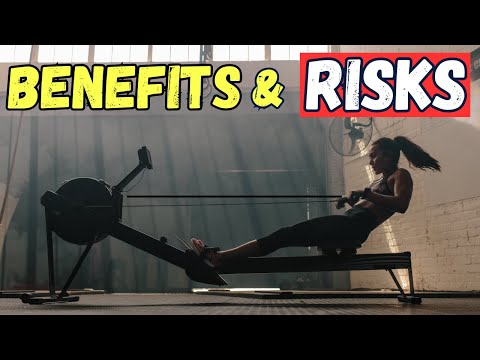
Related Video: "Rowing Machine Benefits: 6 Advantages and 4 DISADVANTAGES" by Fitnessdy
Main Points
– Rowing machine workouts engage major muscle groups in both the upper and lower body, providing a full-body exercise.
– These workouts are low-impact, making them suitable for individuals with joint pain or those looking for a gentler form of exercise.
– Regular rowing machine workouts can improve muscle strength, endurance, and stamina.
– Rowing machine workouts contribute to cardiovascular fitness by increasing heart rate, improving oxygen utilization, and enhancing overall cardiovascular efficiency.
Benefits of Rowing Machine Workouts

Rowing machine workouts provide a full-body exercise that engages major muscle groups and offers a low-impact, high-intensity cardiovascular workout. One of the key benefits of a rowing workout is its efficiency in burning calories. By engaging both the upper and lower body, a rowing machine workout can help you torch calories in a shorter amount of time compared to other forms of exercise.
Additionally, rowing is a low-impact workout, meaning it’s gentle on your joints, making it an excellent option for those with joint pain or other limitations.
Furthermore, the rowing motion targets multiple muscle groups simultaneously, offering a comprehensive workout. It engages your back, shoulders, arms, core, and legs, providing a full-body strengthening and toning session. This not only helps to improve muscle strength but also enhances overall endurance and stamina.
Another advantage of rowing machine workouts is the cardiovascular benefits. The continuous, rhythmic nature of rowing helps to elevate your heart rate and improve cardiovascular health. This can lead to enhanced stamina, better circulation, and improved heart and lung function.
Incorporating a rowing workout into your fitness routine can contribute to a healthier, stronger body overall.
Upper Body Muscles Targeted

Engage your back, shoulders, and arms with the dynamic rowing motion, targeting and strengthening your upper body muscles. When you use a rowing machine, it’s not just your legs that get a workout. The pulling motion engages various muscles in your upper body, providing a full-body workout experience.
Here’s what the rowing machine targets in your upper body:
1. Back Muscles: The primary target of rowing is the back muscles, including the latissimus dorsi, rhomboids, and trapezius. These muscles are crucial for maintaining good posture and providing upper body strength.
2. Shoulders: Rowing involves the deltoid muscles in your shoulders, helping to stabilize and support the shoulder joints during the rowing motion.
3. Arms: Your biceps and triceps are engaged as you pull the handle, providing a challenging workout for these muscles.
4. Forearms: Gripping the handle and pulling the rowing machine’s cable activates the muscles in your forearms, improving grip strength and overall arm endurance.
Lower Body Muscles Targeted

Strengthen your lower body and enhance your overall workout experience by targeting key muscle groups with the rowing machine’s dynamic motion. When using a rowing machine, you engage various lower body muscles, making it an effective full-body workout. The rowing motion primarily targets your quadriceps, hamstrings, glutes, and calves, providing a comprehensive lower body workout. By pushing through your legs and extending them, you activate these major muscle groups, helping you build strength and endurance.
Here’s a breakdown of the lower body muscles targeted during a row machine workout:
| Muscle Group | Description |
|---|---|
| Quadriceps | Located in the front of your thighs, these muscles are engaged when you push off from the footplates. |
| Hamstrings | Situated at the back of the thighs, these muscles contract as you extend your legs during the rowing motion. |
| Glutes | Your gluteal muscles, or glutes, are activated as you drive through your legs to propel the rowing machine’s seat. |
| Calves | The calf muscles help stabilize and support the ankle and are involved in the pushing motion during rowing. |
| Hip Flexors | Engaged during the drive phase of the rowing stroke, these muscles assist in hip flexion. |
Core Muscles Engaged

When you row, your core muscles are engaged to stabilize your body and support the movements. This includes your abdominals, obliques, and lower back. Engaging these muscles helps maintain proper posture and power throughout the rowing motion.
Core Stability
To develop core stability, focus on contracting your abdominal and back muscles while maintaining a strong, upright posture during your rowing machine workout. Engaging your core muscles is crucial for stability and power generation during rowing.
Here’s how to maximize your core engagement during your rowing machine workout:
1. Keep your back straight throughout the entire rowing motion to engage your lower back muscles.
2. Contract your abdominal muscles as you drive back with your legs to support your spine and maintain a strong core.
3. Focus on maintaining a stable and upright position to prevent any excessive swaying or leaning, which can compromise core engagement.
4. Pay attention to your breathing and exhale as you exert force, which can help engage your core muscles more effectively.
Abdominal Engagement
Maximize your core engagement during a rowing machine workout by contracting your abdominal muscles and maintaining a stable, upright posture. By doing so, you can effectively target and strengthen your core muscles. Here’s a breakdown of the specific abdominal muscles engaged during a rowing machine workout:
| Abdominal Muscle | Engagement |
| Rectus Abdominis | Primary |
| Transversus Abdominis | Secondary |
| Internal Obliques | Secondary |
| External Obliques | Secondary |
Engaging these muscles not only improves your rowing performance but also helps in stabilizing your torso and preventing lower back strain. Focus on keeping your core muscles contracted throughout the entire rowing motion, from the catch to the finish, to maximize the benefits for your abdominal muscles. This deliberate engagement will enhance your overall rowing experience while effectively toning your core.

Related Video 2: "What Happens to Your Body When You Row for 30 Days" by Dark Horse Rowing
Cardiovascular Fitness Improvement

Improving cardiovascular fitness through rowing machine workouts involves engaging large muscle groups and increasing heart rate to enhance endurance and overall heart health. Rowing provides an effective full-body workout, and its benefits extend beyond muscular strength to cardiovascular improvement.
Here’s why rowing machine workouts are a great way to boost your cardiovascular fitness:
1. Engages Major Muscle Groups: Rowing targets the legs, back, core, and arms, requiring significant cardiovascular effort to power each stroke.
2. Increases Heart Rate: The rhythmic, repetitive nature of rowing rapidly elevates your heart rate, effectively improving cardiovascular endurance over time.
3. Enhances Oxygen Utilization: Rowing enhances the body’s ability to utilize oxygen, leading to improved overall cardiovascular efficiency and endurance.
4. Low-Impact Exercise: Unlike running or high-impact activities, rowing provides a low-impact yet high-intensity cardiovascular workout, reducing the risk of joint strain and injury.
Incorporating rowing machine workouts into your fitness routine can significantly contribute to enhancing your cardiovascular fitness, ultimately improving your overall health and endurance.
Calorie Burning Potential

When you row, your body is working hard to burn calories and improve your metabolism.
The rowing machine provides an efficient way to torch calories and boost your overall calorie-burning potential.
Let’s explore how rowing can help you achieve your fitness and weight loss goals.
Rowing and Metabolism
Rowing on a machine is an effective way to burn calories and boost your metabolism. When you engage in rowing, your body utilizes a large number of muscles, leading to increased energy expenditure and a heightened metabolic rate. Here’s how rowing impacts your metabolism:
1. Full-body workout: Rowing engages major muscle groups, promoting a more efficient calorie burn than isolated exercises.
2. High-intensity intervals: Incorporating intervals into your rowing routine can lead to an ‘afterburn’ effect, causing your body to continue burning calories post-workout.
3. Aerobic and anaerobic benefits: Rowing improves both aerobic capacity and anaerobic power, contributing to a higher metabolic rate.
4. Long-term effects: Regular rowing can lead to improved metabolic function, making it easier for your body to burn calories even at rest.
Incorporating rowing into your fitness regimen can significantly impact your metabolism and calorie-burning potential.
Calorie-Burning Efficiency
Curious about how rowing maximizes calorie burning efficiency and potential? Rowing is a full-body workout that engages multiple muscle groups, making it an excellent calorie-burning exercise. The rowing motion requires power from the legs, engagement of the core, and utilization of the back and arms. This coordinated effort results in a high calorie burn, making rowing an efficient way to torch calories and improve overall fitness. To give you a clearer picture of the calorie-burning potential of rowing, take a look at the table below:
| Intensity Level | Calories Burned per Hour |
| Light | 300-400 |
| Moderate | 600-800 |
| High | 800-1000 |
As you can see, rowing can offer a significant calorie burn, especially when performed at a moderate to high intensity level. So, get ready to row your way to a fitter, stronger you!
Proper Rowing Technique

To achieve an effective rowing motion, focus on maintaining a strong and stable core while driving through your legs and pulling the handle towards your chest. Proper rowing technique is essential for maximizing the benefits of this full-body workout. Here are some tips to help you master the correct form:
1. Posture: Sit tall with your shoulders relaxed and your spine straight. Avoid hunching over or leaning too far back.
2. Leg Drive: Initiate the stroke by pushing through your legs, using the powerful muscles in your thighs and glutes. This action should propel you backwards.
3. Core Engagement: Keep your core muscles engaged throughout the entire motion to provide stability and support for your back.
4. Arm Pull: Once your legs are almost fully extended, pull the handle towards your lower chest, keeping your elbows close to your body. Focus on squeezing your shoulder blades together at the end of the movement.
Rowing Machine Workout Tips

For an effective rowing machine workout, focus on maintaining proper form and utilizing the resistance settings to challenge yourself.
First, ensure that your posture is upright, and your knees are slightly bent at the catch position. Keep your back straight, engage your core, and drive through your legs before pulling the handle towards your lower chest. Remember to use a full range of motion, extending your arms fully at the finish position.
To maximize the workout, vary your stroke rate and resistance settings. Start with a moderate resistance and aim for a consistent stroke rate. As you progress, increase the resistance to push your muscles further. Interval training can also be beneficial – alternate between high-intensity sprints and recovery periods to boost cardiovascular endurance and overall calorie burn.
Don’t forget to breathe rhythmically throughout the workout, exhaling during the effort and inhaling during the recovery phase. Lastly, pay attention to your grip – it should be firm but not overly tight to avoid unnecessary strain on your hands and forearms.
Frequently Asked Questions
How Does Rowing Compare to Other Types of Cardio Exercises in Terms of Muscle Engagement?
When it comes to muscle engagement, rowing stands out among other cardio exercises like a symphony conductor amid musicians.Rowing engages a wide range of muscles, from your legs and back to your arms and core, providing a full-body workout.Compared to other cardio exercises, rowing offers a more comprehensive muscle engagement, making it an efficient choice for building strength and endurance throughout your body.
Can Rowing Help With Improving Posture and Back Strength?
Yes, rowing can help improve posture and strengthen your back. The rowing motion engages the muscles in your back, shoulders, and core, promoting better posture and spinal alignment.Additionally, the pulling action targets the muscles in your upper and lower back, enhancing strength and stability.


