

Did you know that after a high-intensity workout, your body continues to burn calories at an elevated rate? It’s a fascinating phenomenon that has intrigued scientists and fitness enthusiasts alike.
But what exactly is the science behind this post-exercise calorie burn, and how can you leverage it to achieve your fitness goals more effectively?
There are several surprising facts about the afterburn effect that you may not be aware of, and understanding them could potentially revolutionize the way you approach your workouts.
Table of Contents

Related Video: "Do This Workout After Eating - 11 Min To Burn Calories" by Roberta's Gym
Main Points
– The afterburn effect, also known as EPOC, occurs after a high-intensity workout and leads to continued calorie burning at an elevated rate.
– High-intensity interval training (HIIT) and resistance training produce a greater afterburn effect compared to moderate-intensity activities.
– Weight training increases resting metabolic rate by building lean muscle mass, aiding in fat loss and overall metabolic health.
– Understanding gender differences in caloric burn and metabolism can help individuals tailor their workout and nutrition plans for optimal results.
The Afterburn Effect

After completing a workout, your body continues to burn calories at an elevated rate, a phenomenon known as the afterburn effect. This means that even after you’ve finished exercising, your body is still working hard and burning calories.
The afterburn effect, also known as excess post-exercise oxygen consumption (EPOC), occurs because your body needs to restore its oxygen levels, replenish energy stores, and repair muscle tissue damaged during the workout.
The intensity and duration of your workout can impact the extent of the afterburn effect. High-intensity interval training (HIIT) and resistance training tend to produce a greater afterburn effect compared to moderate-intensity steady-state exercise.
So, how many calories do you burn after a workout? The afterburn effect can lead to burning an additional 6-15% of the total calories expended during the exercise session. For example, if you burned 300 calories during your workout, you could potentially burn an extra 18-45 calories post-workout.
Therefore, the afterburn effect can contribute to your overall calorie expenditure and aid in weight management.
EPOC Explained

EPOC, or excess post-exercise oxygen consumption, occurs as your body continues to burn calories at an elevated rate following a workout. This phenomenon is also referred to as the ‘afterburn effect’ and is a key component of understanding the overall calorie expenditure associated with exercise.
During a workout, your body uses oxygen to break down fuel sources such as carbohydrates and fats to produce energy. Once the workout is over, your body’s oxygen consumption remains elevated as it works to restore energy levels, repair tissues, and eliminate metabolic byproducts.
This heightened oxygen consumption leads to an increase in calorie expenditure even when you’re at rest. The intensity and duration of the exercise session can impact the magnitude and duration of EPOC. High-intensity workouts, such as interval training or weightlifting, tend to result in a more pronounced EPOC compared to moderate-intensity activities.
Additionally, EPOC can last anywhere from a few hours to several days, depending on various factors including fitness level, workout intensity, and individual differences. Understanding EPOC can provide insights into the overall impact of your exercise routine on calorie burning.
Metabolic Rate Increase

You can experience an increase in your metabolic rate following a workout, leading to continued calorie burning even after you’ve finished exercising. This phenomenon is known as excess post-exercise oxygen consumption (EPOC) or the afterburn effect. After a challenging workout, your body requires more oxygen to restore energy levels, repair tissues, and remove metabolic byproducts. As a result, your metabolic rate remains elevated for a period, causing you to burn more calories than usual.
Here’s how this process works:
1. Oxygen Debt: During intense exercise, your body may enter an oxygen debt, which must be repaid post-workout. This repayment process requires additional energy, leading to an elevated metabolic rate.
2. Elevation in Core Temperature: Intense exercise can raise your body’s core temperature, and your body expends energy to return to its normal temperature, contributing to increased calorie burning.
3. Hormonal Response: Intense workouts trigger the release of stress hormones like epinephrine and norepinephrine, which can elevate your metabolic rate and contribute to continued calorie burn even after exercise.
Understanding these mechanisms highlights the importance of incorporating challenging workouts into your routine to maximize calorie burning even after you’ve left the gym.
Different Workout Types

To maximize the benefits of afterburn effect, incorporating a variety of workout types into your routine can help target different muscle groups and energy systems.
High-intensity interval training (HIIT) is great for boosting your metabolism and burning calories long after the workout. It involves short bursts of intense exercise followed by brief recovery periods.
Strength training, on the other hand, helps build lean muscle mass, which can increase your resting metabolic rate, leading to more calories burned throughout the day.
Additionally, including activities like cycling, swimming, or rowing can engage different muscle groups and energy systems, keeping your body challenged and maximizing the afterburn effect.
Don’t forget about flexibility and balance exercises like yoga or Pilates, which can improve your overall performance and reduce the risk of injury during other workouts.
By diversifying your workouts, you not only prevent boredom but also ensure that your body continues to burn calories even after you’ve finished exercising.
Weight Training Benefits

After diversifying your workout routine to engage different muscle groups and energy systems, you can also benefit from incorporating weight training, which helps build lean muscle mass and increases your resting metabolic rate.
Weight training offers numerous advantages beyond just bulking up. Here’s why it’s beneficial:
1. Increased Metabolism: Weight training contributes to an increase in your resting metabolic rate. As you build lean muscle mass, your body requires more energy to maintain these muscles, leading to a higher calorie burn even when at rest.
2. Improved Strength and Bone Density: Engaging in weight training helps enhance overall strength and bone density. This is particularly important as you age, as it can reduce the risk of osteoporosis and improve overall functionality.
3. Enhanced Fat Loss: Contrary to the fear of bulking up, weight training can actually aid in fat loss. As your muscle mass increases, your body becomes more efficient at burning fat, leading to a leaner physique.
Incorporating weight training into your fitness regimen can significantly enhance your overall well-being, helping you achieve your fitness goals while improving your metabolic health.
Cardiovascular Impact

Engaging in regular cardiovascular exercise can significantly improve your heart health and overall fitness level. When you perform activities like running, swimming, or cycling, your heart rate increases, which strengthens your heart and improves its efficiency. Cardiovascular exercise also helps lower your blood pressure and cholesterol levels, reducing the risk of heart disease. Additionally, it enhances your body’s ability to utilize oxygen, leading to improved endurance and stamina.
Regular cardio workouts can also have a positive impact on your mental well-being. The release of endorphins during cardiovascular exercise can elevate your mood and reduce feelings of stress and anxiety. Furthermore, it can improve your sleep quality, leaving you feeling more refreshed and energized throughout the day.
Incorporating cardiovascular exercise into your routine can also aid in weight management by burning calories and boosting your metabolism. This, in turn, can lead to a healthier body composition and a reduced risk of obesity-related conditions. By consistently engaging in cardiovascular activities, you aren’t only enhancing your physical fitness but also taking significant steps towards maintaining a healthy heart and overall well-being.
Gender Differences

When it comes to burning calories after a workout, gender differences play a significant role. Men and women tend to have variations in caloric burn due to differences in metabolism.
Additionally, the impact of exercise duration on caloric burn can also differ based on gender.
Caloric Burn Variations
Gender differences play a significant role in the variations of caloric burn during and after a workout. Men and women have different body compositions and metabolic rates, leading to distinct caloric burn patterns. Here’s how gender influences caloric burn:
1. Metabolic rate: Men generally have a higher muscle mass and lower body fat percentage than women, resulting in a higher resting metabolic rate and greater calorie burn during exercise.
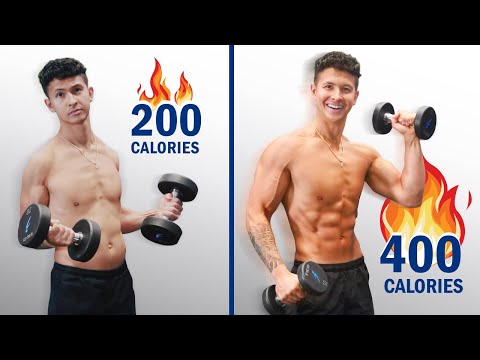
Related Video 2: "How To Burn More Calories Lifting Weights (Do These 3 Things)" by Jeremy Ethier
2. Hormonal factors: Women’s hormonal fluctuations, especially during menstruation, can affect their energy levels and caloric expenditure during workouts.
3. Post-exercise calorie burn: Research suggests that men tend to experience a more prolonged post-exercise calorie burn, known as excess post-exercise oxygen consumption (EPOC), due to their higher muscle mass.
Understanding these differences can help individuals tailor their workout and nutrition plans to optimize caloric burn based on their gender.
Metabolism and Gender
After understanding the impact of gender on caloric burn variations and its connection to workout and nutrition plans, it’s essential to delve into the role of metabolism and gender differences in shaping these patterns further.
Metabolism, the process by which your body converts food and drink into energy, varies between men and women. Men generally have a higher muscle mass and lower body fat percentage than women, leading to a higher resting metabolic rate. This means that men tend to burn more calories at rest than women.
On the other hand, women’s bodies are designed to store energy more efficiently, which can impact how they burn calories during and after exercise.
Understanding these gender differences in metabolism is crucial for tailoring effective workout and nutrition plans that support individual needs and goals.
Exercise Duration Impact
To optimize your understanding of the impact of exercise duration on caloric burn, it’s crucial to consider the differences in how men and women’s bodies respond to varying workout lengths.
Here are some key gender differences to keep in mind:
1. Metabolism: Men generally have a higher muscle mass and lower body fat percentage than women, leading to a higher basal metabolic rate. This means men tend to burn more calories during exercise and at rest.
2. Hormonal Influence: Women’s hormonal fluctuations throughout the menstrual cycle can affect their energy levels and metabolism, potentially impacting how many calories they burn during and after exercise.
3. Recovery Time: Women may require longer recovery periods than men due to differences in muscle mass and hormonal profiles, influencing their overall caloric burn post-exercise.
Duration and Intensity

When it comes to burning calories after a workout, the duration and intensity of your exercise play a crucial role.
The longer and more intense your workout, the more calories you can burn during and after your session.
Understanding how duration and intensity impact your post-workout metabolism can help you optimize your calorie-burning potential.
Exercise Duration Impact
Maximizing the benefits of your workout depends on the duration and intensity of your exercise routine. The impact of exercise duration on your body is significant and can greatly affect the results you achieve.
Here’s how different exercise durations can impact your body:
1. Short Duration (Less than 30 minutes): Short bursts of exercise can boost metabolism and calorie burn, but may not provide substantial endurance or strength benefits.
2. Moderate Duration (30-60 minutes): This duration allows for a good balance of calorie burn, endurance improvement, and potential fat loss.
3. Long Duration (More than 60 minutes): Extended workouts can lead to increased endurance and calorie burn, but may also elevate the risk of overtraining and injury.
Balancing the duration and intensity of your workouts is crucial for achieving your fitness goals while ensuring overall well-being.
Intensity and Calorie Burn
The intensity of your workout directly impacts the rate at which you burn calories and the overall effectiveness of your exercise session. Higher intensity activities, such as running or high-intensity interval training (HIIT), result in a greater calorie burn both during and after your workout. These activities cause your body to continue burning calories at an elevated rate even after you’ve finished exercising.
On the other hand, lower intensity exercises like walking or gentle yoga may not have the same immediate calorie-burning impact, but they can still contribute to overall calorie expenditure and have other health benefits.
To maximize your calorie burn, consider incorporating a mix of high and moderate intensity exercises into your routine to keep your body challenged and continuously burning calories.
Post-Workout Metabolism
To sustain a heightened post-workout metabolism, focus on incorporating high and moderate intensity exercises into your routine to keep your body continuously challenged and burning calories. After your workout, the duration and intensity of your exercise play a crucial role in determining how long your metabolism will remain elevated, leading to continued calorie burn.
Here are some key factors to consider:
1. High Intensity Interval Training (HIIT): Incorporating bursts of intense exercise followed by short recovery periods can significantly elevate your post-workout metabolism for hours.
2. Resistance Training: Engaging in activities that build muscle can increase your basal metabolic rate, leading to a longer-lasting post-workout calorie burn.
3. Moderate Cardio Workouts: Activities such as brisk walking or cycling at a moderate intensity can also sustain a heightened metabolism post-exercise.
Post-Workout Hydration

After a strenuous workout, it’s important to focus on replenishing your body’s lost fluids to aid in recovery and prevent dehydration. Hydration plays a crucial role in post-workout recovery as your body loses a significant amount of water through sweat during exercise. Replenishing these lost fluids is essential for maintaining proper bodily functions and supporting muscle recovery.
When you sweat during a workout, your body loses not only water but also essential electrolytes like sodium and potassium. Rehydrating with water helps restore the lost fluids, but it’s also important to consider electrolyte replenishment, especially after intense or prolonged exercise. Sports drinks or coconut water can be beneficial options for replenishing both fluids and electrolytes.
Proper hydration can help reduce the risk of muscle cramps, fatigue, and dizziness that can occur after a workout. It also supports the body’s ability to regulate temperature and transport nutrients to the muscles for recovery.
Keep in mind that individual hydration needs may vary, so paying attention to your body’s signals and adjusting your fluid intake accordingly is key to effective post-workout hydration.
Frequently Asked Questions
Can I Still Burn Calories After a Workout if I Don’t Experience Muscle Soreness?
You can still burn calories after a workout even if you don't experience muscle soreness. Your body continues to burn calories as it recovers and repairs muscles, regardless of soreness.This process, known as excess post-exercise oxygen consumption (EPOC), results in continued calorie burn.So, even if you're not feeling sore, rest assured that your body is still working to burn those calories long after your workout is over.Keep up the great work!
How Long Does the Afterburn Effect Last After a Workout?
After a workout, the afterburn effect, also known as excess post-exercise oxygen consumption (EPOC), can last anywhere from 15 minutes to 48 hours, depending on the intensity and duration of your exercise. High-intensity interval training and strength training tend to lead to a longer afterburn effect.During this time, your body continues to burn calories at an elevated rate as it works to replenish energy stores and repair muscle tissue.


