

You know that feeling when you’re driving and suddenly hit a stretch of open road? Your foot naturally presses a little harder on the gas pedal, eager to take advantage of the clear path ahead. Well, think of your workout as that open road, and your body as the car.
There are ways to rev up your calorie burn during a workout, and we’re here to show you how. From incorporating high-intensity interval training to making the most of your rest periods, these strategies will help you maximize the effectiveness of your workouts.
But before we dive into the details, let’s explore why burning more calories during your workout can make a significant impact on your fitness journey.
Table of Contents
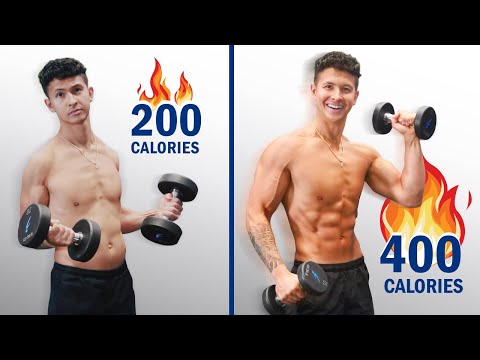
Related Video: "How To Burn More Calories Lifting Weights (Do These 3 Things)" by Jeremy Ethier
Main Points
– Incorporating High-Intensity Interval Training (HIIT) into your exercise routine can efficiently burn calories and improve cardiovascular health.
– Strength training can increase lean muscle mass, boost metabolism, and aid in fat loss and muscle growth.
– Adding short bursts of high-intensity cardio during your workout can raise your heart rate and burn more calories.
– Gradually increasing the duration of your workouts and using pacing strategies can help improve endurance and calorie burn.
High-Intensity Interval Training (HIIT)

To burn more calories during a workout, consider incorporating high-intensity interval training (HIIT) into your exercise routine. HIIT involves short bursts of intense exercise followed by brief periods of rest or lower-intensity activity. This form of training is known for its efficiency in burning calories and improving cardiovascular health. One of the key benefits of HIIT is its ability to maximize calorie burn in a shorter amount of time compared to steady-state cardio exercises. This makes it ideal for individuals with busy schedules. Additionally, HIIT has been shown to boost metabolism, leading to continued calorie burn even after the workout is completed.
However, it’s important to note that HIIT may not be suitable for everyone. Its high-intensity nature can put significant stress on the body, increasing the risk of injury, especially for beginners. Additionally, individuals with certain health conditions may need to proceed with caution when considering HIIT.
When it comes to weight loss, HIIT has been found to be effective in burning fat and preserving muscle mass. For those looking to gain muscle, incorporating HIIT alongside resistance training can help promote muscle growth while aiding in fat loss.
Incorporating Strength Training

Consider adding strength training to your workout routine to increase muscle mass and further enhance your calorie-burning potential. Incorporating resistance exercises, such as weight lifting, can offer a myriad of benefits beyond just building muscle.
– Strength Training Benefits
– Engaging in strength training can lead to an increase in lean muscle mass, which can result in a higher resting metabolic rate. This means that your body will burn more calories even when you’re at rest.
– It can also contribute to improved overall strength, which can make other forms of exercise, such as running or cycling, feel easier and more efficient.
– Muscle Building
– By incorporating strength training into your workout routine, you’ll not only burn calories during the workout but also continue to burn them as your body repairs and builds muscle post-exercise. This process, known as excess post-exercise oxygen consumption (EPOC), can elevate your calorie burn for hours after your workout.
Incorporating strength training into your fitness regimen can have a significant impact on your overall calorie expenditure and contribute to achieving your fitness goals.
Adding Cardio Bursts

You can increase the intensity of your workouts by adding cardio bursts.
By incorporating short bursts of high-intensity cardio, you can effectively raise your heart rate and burn more calories.
Timing and duration of these bursts are crucial for maximizing the calorie-burning benefits of your workout.
Intensity of Bursts
Incorporate short bursts of high-intensity cardio to elevate your workout and maximize calorie burn. When managing the intensity of these bursts, it’s essential to consider calorie expenditure.
– Efficient Energy Consumption: Utilize short bursts strategically to optimize calorie burn during and after your workout. High-intensity intervals can significantly elevate your metabolic rate, leading to increased calorie expenditure even after you’ve finished exercising.
– Burst Effectiveness: Integrate bursts that push your limits, such as sprinting or high-knee exercises, to maximize the effectiveness of each burst. These activities demand more energy, ultimately contributing to higher energy consumption and greater calorie burn.
– Interval Variation: Vary the length and intensity of your bursts to challenge your body and keep your metabolism elevated. This variation can further enhance your calorie-burning potential.
Timing and Duration
To optimize calorie burn and elevate your workout, strategically incorporate short bursts of high-intensity cardio at intervals throughout your routine. Consider adding cardio bursts before starting your workout to rev up your metabolism and continue burning calories post-exercise.
A light, energy-boosting pre-workout snack like a banana or a handful of nuts can provide the necessary fuel for these intense bursts. After your workout, focus on replenishing your energy stores with a balanced post-workout meal or snack within 30 minutes.
Ensure that you integrate a thorough warm-up routine to prepare your body for the high-intensity intervals, and don’t forget to conclude your workout with cool down stretches to prevent muscle stiffness and aid in recovery.
Increasing Workout Duration

You can maximize your calorie burn by lengthening your exercise sessions.
Extend your workout time to push your body to work harder and burn more calories.
Prolonging your training duration can help you achieve your fitness goals more efficiently.
Lengthen Exercise Sessions
Consider extending your workout duration by adding a few extra minutes to each exercise session to increase the number of calories burned. This simple adjustment can significantly impact your workout endurance and overall calorie expenditure.
Here are some ways to effectively lengthen your exercise sessions:
– Gradual Progression:
– Increase exercise duration by 5-10 minutes every week to allow your body to adapt gradually.
– This helps improve workout endurance and prevents overexertion or burnout.
– Interval Training:
– Incorporate longer intervals of moderate to high-intensity exercises within your usual workout routine.
– This boosts calorie burn and enhances exercise duration without making the entire session longer.
– Active Recovery:
– Opt for active recovery periods, such as walking or light cycling, to extend the overall exercise duration while allowing your body to recover from intense segments.

Related Video 2: "Best VS Worst Fat Loss Exercises (Ranked By Science)" by Jeremy Ethier
Extend Workout Time
Increase your workout duration gradually to allow your body to adapt and improve endurance. Effective workout time management involves extending your exercise sessions in a controlled manner.
Start by adding just a few extra minutes to your routine, then gradually increase the duration as your endurance builds. Focus on efficient exercises that work multiple muscle groups simultaneously, such as squats, lunges, and burpees. This helps maximize the calorie burn during your extended workouts.
By gradually progressing the length of your workouts, you give your body the opportunity to adapt and improve its endurance, leading to more significant calorie expenditure.
Remember to listen to your body and avoid overexertion as you work towards extending your workout time.
Prolong Training Duration
Gradually extending your workout duration allows your body to adapt and improve endurance. This can be achieved through various endurance building techniques and pacing strategies such as incorporating interval training, gradually increasing workout duration, and varying intensity levels. By doing so, you challenge your body to adapt to longer training sessions, ultimately improving your overall endurance.
Additionally, mental endurance plays a crucial role in prolonging training duration. Mindfulness techniques, such as focusing on your breathing and staying present in the moment, can help you push through mental barriers and sustain longer workouts.
Embracing these strategies and gradually extending your workout duration not only benefits your physical endurance but also enhances your mental resilience during workouts.
Utilizing Compound Movements

To maximize calorie burn during your workout, focus on incorporating compound movements that engage multiple muscle groups simultaneously. This strategy maximizes efficiency by allowing you to target several muscle groups at once, leading to a higher calorie burn.
Compound movements involve complex, multi-joint exercises such as squats, deadlifts, lunges, and push-ups. These exercises require coordination and balance, engaging not only the primary targeted muscle groups but also recruiting stabilizing muscles for support.
For example, a squat not only works your quadriceps and glutes but also activates your core and lower back muscles to stabilize your body throughout the movement. Similarly, a push-up engages your chest, shoulders, triceps, and core muscles.
By incorporating compound movements into your workout routine, you can optimize your time in the gym and burn more calories in a shorter period. Additionally, these movements promote functional strength and coordination, contributing to overall physical fitness.
Enhancing Active Recovery

Consider incorporating dynamic stretching and light cardio exercises into your post-workout routine to enhance active recovery and promote muscle relaxation. Active stretching, in particular, can help to increase blood flow to your muscles and improve flexibility, aiding in the recovery process.
Here are some recovery techniques to enhance your post-workout routine:
– Dynamic Stretching: Engage in dynamic stretches like leg swings, arm circles, and walking lunges. These movements help to improve flexibility, increase blood flow, and reduce muscle stiffness. Incorporate dynamic stretching into your cool-down routine to promote active recovery and prevent muscle tightness.
– Light Cardio: Perform low-impact cardio exercises such as walking, cycling, or swimming. This helps to flush out metabolic waste products from your muscles and can aid in reducing muscle soreness. Aim for 10-15 minutes of light cardio to enhance active recovery without causing additional fatigue.
– Foam Rolling: Use a foam roller to massage and release tension in your muscles. This technique can help to improve circulation and reduce muscle soreness after a workout. Focus on areas of tightness or discomfort, spending 1-2 minutes on each muscle group to enhance recovery.
Monitoring Rest Periods

To optimize your workout sessions, it’s essential to monitor and manage your rest periods effectively. Tracking your progress during rest periods is crucial for maximizing the effectiveness of your workout. By keeping a record of your rest times and the corresponding exercises, you can identify patterns and make informed adjustments to your routine. This tracking can help you understand how your body responds to different rest periods and tailor them to your specific needs.
Additionally, monitoring your rest periods allows you to adjust the intensity of your workout. If you notice that you’re consistently struggling to complete exercises or feeling fatigued too soon, it may be an indication that your rest periods are either too short or too long. By analyzing your progress in relation to your rest times, you can fine-tune the intensity to ensure that you’re challenging yourself appropriately without overexerting or underwhelming your body.
Frequently Asked Questions
Can I Incorporate High-Intensity Interval Training (Hiit) Into My Workout if I Have a Pre-Existing Injury or Medical Condition?
You can definitely incorporate modified HIIT exercises into your workout routine, even with a pre-existing injury or medical condition.There are injury-friendly exercises that can be integrated into a HIIT format, allowing you to still reap the benefits of high-intensity interval training while ensuring safety and avoiding aggravation of your condition.It's important to consult with a fitness professional or physical therapist to tailor the workout to your specific needs and limitations.
What Types of Strength Training Exercises Are Best for Beginners Looking to Increase Calorie Burn During Their Workouts?
To increase calorie burn during your workouts, try incorporating resistance bands and dumbbell exercises. These can help build strength and boost your metabolism.Additionally, bodyweight workouts and circuit training are great for beginners to increase calorie burn.


