

You’ve just finished a challenging weightlifting session, and now you’re wondering if all that effort is going to keep burning calories even after you’ve left the gym.
The answer might surprise you. There’s a lot of debate surrounding the topic, and it’s not as straightforward as you might think.
But fear not, because we’re about to uncover six essential facts that will shed light on whether weightlifting truly burns calories after your workout.
These facts will give you a deeper understanding of the relationship between weightlifting and post-exercise caloric expenditure, and they might just change the way you view your fitness routine.
Table of Contents
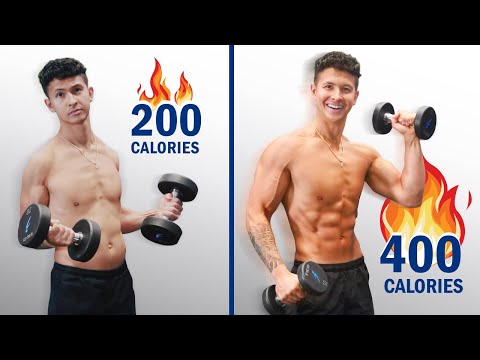
Related Video: "How To Burn More Calories Lifting Weights (Do These 3 Things)" by Jeremy Ethier
Main Points
– Weightlifting increases muscle mass, which boosts basal metabolic rate and leads to increased energy expenditure.
– EPOC (excess post-exercise oxygen consumption) causes continued calorie burn after weightlifting.
– Post-exercise metabolism, or EPOC, is the increased rate of oxygen intake after a workout, linked to the body’s efforts to restore itself.
– Factors such as muscle mass, workout intensity, recovery time, and individual metabolic rate influence caloric expenditure after weightlifting.
The Science Behind Weightlifting and Caloric Expenditure

Weightlifting increases muscle mass, which in turn boosts your basal metabolic rate, allowing you to burn more calories even at rest. This is due to the metabolic response triggered by weightlifting.
When you engage in weightlifting, your body experiences a spike in energy expenditure, and the afterburn effect comes into play. This means that even after you’ve finished your weightlifting session, your body continues to burn calories as it works to repair and build muscle.
The impact of muscle mass on your metabolism is significant. Unlike fat, muscle is metabolically active, requiring more energy for maintenance. As a result, the more muscle mass you have, the more calories your body will naturally burn, even when you’re not exercising.
Understanding the connection between weightlifting and energy expenditure sheds light on the long-term benefits of incorporating weightlifting into your fitness routine. By building muscle through weightlifting, you can effectively boost your metabolic rate and enhance your body’s calorie-burning potential.
Understanding EPOC and Post-Exercise Caloric Burn

So, how does your body continue to burn calories even after you’ve finished your weightlifting session?
Well, it all comes down to EPOC, or excess post-exercise oxygen consumption.
This is the phenomenon where your body continues to consume oxygen at an elevated rate after intense exercise, leading to additional calorie burn.
EPOC and Calorie Burn
Understanding EPOC, or Excess Post-Exercise Oxygen Consumption, is crucial for comprehending the post-workout caloric burn that weightlifting can provide. EPOC refers to the increased rate of oxygen intake following strenuous activity to restore the body to its pre-exercise state. This process is essential for burning additional calories even after your weightlifting session is over.
Here are four key points to understand EPOC and its impact on calorie burn:
1. EPOC duration varies: The duration of EPOC can range from a few hours to over 24 hours, depending on the intensity and duration of the weightlifting session.
2. Calorie burn comparison: EPOC contributes significantly to the total calorie expenditure, with studies showing that weightlifting can result in a higher EPOC compared to aerobic exercise.
3. Metabolic rate elevation: EPOC leads to an elevated metabolic rate, causing the body to continue burning calories at an increased rate post-workout.
4. Factors influencing EPOC: Several factors, including exercise intensity, duration, and individual fitness level, can influence the magnitude of EPOC and subsequent calorie burn.
Post-Exercise Metabolism
After completing a weightlifting session, your body’s post-exercise metabolism, also known as EPOC, plays a crucial role in continuing to burn calories at an elevated rate. EPOC refers to excess post-exercise oxygen consumption, and it represents the increased rate of oxygen intake following a workout.
This increase in oxygen consumption is linked to the body’s efforts to restore itself to a pre-exercise state and adapt to the physiological demands of the workout. This process requires energy, resulting in additional calorie burn even after your weightlifting session.
To optimize this post-exercise calorie burn, consider incorporating nutritional strategies such as consuming a balanced meal containing protein and carbohydrates. Additionally, implementing effective recovery methods, such as adequate hydration and sufficient rest, can support your body’s post-exercise metabolism and overall recovery.
Weightlifting and EPOC
To maximize the calorie burn after your weightlifting session, understanding the concept of EPOC, or excess post-exercise oxygen consumption, is essential. EPOC refers to the increased rate of oxygen intake following a workout, which is necessary to restore your body to its pre-exercise state. Here’s what you need to know about EPOC and its relation to weightlifting:
1. Weightlifting Intensity: The higher the intensity of your weightlifting session, the greater the EPOC effect, leading to a more prolonged post-exercise caloric burn.
2. EPOC Duration: Intense weightlifting can elevate your EPOC for several hours after your workout, resulting in continued calorie expenditure even when you’re at rest.
3. Metabolic Adaptations: Over time, regular weightlifting can lead to metabolic adaptations that enhance your body’s ability to sustain a higher EPOC, further increasing post-exercise caloric burn.
4. Total Caloric Expenditure: The combination of weightlifting intensity and EPOC duration contributes significantly to your total caloric expenditure throughout the day.
Factors Influencing Caloric Expenditure Post-Weightlifting

Factors influencing caloric expenditure post-weightlifting include muscle mass, intensity of the workout, and individual metabolic rate. Muscle mass plays a crucial role in determining the number of calories burned after weightlifting. The more muscle mass you have, the higher your basal metabolic rate, leading to increased caloric expenditure during the recovery period.
Additionally, the intensity of the workout directly impacts the calories burned post-weightlifting. High-intensity weightlifting leads to greater muscle fatigue, which requires more energy for recovery, resulting in a higher caloric expenditure.
Recovery time also influences caloric expenditure post-weightlifting. Longer recovery times may lead to a prolonged elevation in post-exercise oxygen consumption, resulting in increased energy expenditure.
Furthermore, individual metabolic rate varies from person to person, impacting the number of calories burned post-weightlifting. Those with a higher metabolic rate tend to burn more calories during the recovery period.
Therefore, understanding these factors and tailoring your weightlifting routine to optimize muscle mass, intensity, and recovery time can help maximize caloric expenditure post-workout.
Comparing Caloric Burn of Weightlifting Vs. Cardio

When comparing the caloric burn of weightlifting versus cardio, understanding the differences in energy expenditure can help you make informed decisions about your fitness routine. Here are some key points to consider:
1. Intensity: Weightlifting typically involves short bursts of high-intensity effort, which can lead to a higher caloric burn during the workout compared to steady-state cardio like running.
2. Afterburn Effect: Weightlifting can lead to a higher post-exercise oxygen consumption (EPOC), also known as the afterburn effect, which means your body continues to burn calories at an elevated rate after the workout to repair muscles and replenish energy stores.
3. Muscle Mass: Weightlifting helps build lean muscle mass, which can increase your basal metabolic rate, leading to a higher overall caloric burn throughout the day, even at rest.
4. Cardiovascular Benefits: While weightlifting primarily focuses on strength and muscle development, cardio exercises like running provide significant cardiovascular benefits and may contribute to greater overall calorie expenditure during longer, sustained workouts.
Understanding these factors can help you decide how to incorporate weightlifting and running into your fitness routine to maximize caloric burn and achieve your fitness goals.
Utilizing Resistance Training for Afterburn Effect

By incorporating resistance training into your workout routine, you can effectively utilize the afterburn effect to continue burning calories even after your workout is finished.
Resistance training, such as weightlifting, causes micro-tears in your muscles, which require energy to repair. This process, known as excess post-exercise oxygen consumption (EPOC), leads to an increased metabolic rate and continued calorie burn for hours or even days after your workout.

Related Video 2: "Weight Training VS Low Intensity Cardio - Best Way to Burn Fat?" by PictureFit
To maximize the afterburn effect, focus on compound movements that engage multiple muscle groups, such as squats, deadlifts, and bench presses. These exercises elicit a greater EPOC response compared to isolation exercises.
In addition to your resistance training routine, optimizing recovery and implementing proper nutrition strategies can further enhance the afterburn effect. Adequate rest, hydration, and sleep are crucial for muscle recovery and optimizing the afterburn effect.
Furthermore, consuming a balanced post-workout meal rich in protein and carbohydrates can replenish glycogen stores and support muscle repair, leading to a sustained elevation in metabolic rate.
Maximizing Caloric Expenditure Through Weightlifting

To continue maximizing caloric expenditure through weightlifting, focus on incorporating compound movements that engage multiple muscle groups, such as squats, deadlifts, and bench presses, building upon the principles of the afterburn effect discussed earlier. These exercises are highly effective in maximizing muscle activation and increasing overall energy expenditure during and after your workout.
Here are some strategies to help you maximize caloric expenditure through weightlifting:
1. Utilize proper weightlifting techniques: Ensure you’re performing each exercise with proper form to maximize muscle engagement and energy expenditure.
2. Incorporate high-intensity interval training (HIIT): Integrate HIIT into your weightlifting routine to boost calorie burning during and after your workout.
3. Focus on progressive overload: Gradually increase the weight and intensity of your lifts to continuously challenge your muscles and increase caloric expenditure.
4. Optimize nutrition and recovery strategies: Fuel your body with the right nutrients before and after your workouts to support muscle growth and repair, and prioritize adequate rest and recovery to optimize the calorie-burning benefits of weightlifting.
The Role of Muscle Mass in Post-Workout Caloric Burn

Building lean muscle mass through weightlifting can significantly increase your post-workout caloric burn. Muscle mass plays a crucial role in determining your metabolic rate, which affects the number of calories you burn at rest. The more lean muscle mass you have, the higher your resting metabolic rate, leading to increased caloric burn even after your workout is over. This is due to the fact that muscle tissue is more metabolically active compared to fat tissue, meaning it requires more energy to maintain.
To illustrate the impact of muscle mass on post-workout caloric burn, consider the following comparison:
| Low Muscle Mass | High Muscle Mass | |
|---|---|---|
| Metabolic Rate | Slower | Faster |
| Caloric Burn | Lower | Higher |
| Recovery Time | Longer | Shorter |
| Energy Expenditure | Reduced | Increased |
As the table demonstrates, having a higher muscle mass leads to a faster metabolic rate, resulting in a higher caloric burn and shorter recovery time. Therefore, focusing on building and maintaining lean muscle mass through weightlifting can have a significant impact on your overall caloric expenditure.
Real-life Examples of Caloric Burn Post-Weightlifting

You’ll be interested to know that post-exercise calorie burn is a real phenomenon that can significantly contribute to weight loss and maintenance.
When you engage in weightlifting, your metabolic rate increases, resulting in the continued burning of calories long after your workout is over.
It’s important to understand these real-life examples of caloric burn post-weightlifting to fully appreciate the impact of this form of exercise on your overall fitness journey.
Post-Exercise Calorie Burn
After weightlifting, your body continues to burn calories at an elevated rate during the post-exercise period, contributing to additional energy expenditure. This phenomenon is known as excess post-exercise oxygen consumption (EPOC), and it plays a crucial role in post-exercise calorie burn.
Here are a few real-life examples of caloric burn post-weightlifting:
1. Muscle recovery: The repair and rebuilding of muscle tissue after weightlifting requires energy, leading to continued calorie burn.
2. Increased oxygen consumption: Your body’s increased demand for oxygen post-weightlifting results in higher calorie expenditure as it works to restore oxygen levels and repair tissues.
3. Elevated heart rate: Your heart continues to work harder to supply oxygen to muscles and remove metabolic byproducts, leading to additional calorie burn.
4. Hormonal balance: Weightlifting can alter hormone levels, which in turn affect metabolism and calorie burn during the post-exercise period.
Metabolic Rate Increase
As you engage in weightlifting, your body’s metabolic rate increases, leading to continued calorie burn during the post-exercise period through processes such as muscle recovery, elevated oxygen consumption, increased heart rate, and hormonal balance.
This heightened metabolic rate, also known as excess post-exercise oxygen consumption (EPOC), results in an extended period of elevated energy expenditure even after you have finished your weightlifting session.
Studies have shown that weightlifting can significantly elevate metabolic rate for up to 48 hours post-exercise, contributing to additional calories being burned during this time.
This means that even when you’re not actively working out, your body is still burning calories at an increased rate due to the metabolic demands placed on it during weightlifting.
Frequently Asked Questions
Is Weightlifting a More Effective Way to Burn Calories Than Other Forms of Exercise?
Weightlifting is a more effective way to burn calories compared to other forms of exercise. It offers numerous benefits, such as increasing your post-workout metabolism, leading to a longer afterburn duration.By incorporating various weightlifting techniques and variations, you can maximize calorie burning effectiveness.This makes weightlifting a fantastic choice for those looking to burn calories and improve overall fitness.
Can Weightlifting Help With Weight Loss Even After the Workout Is Finished?
After a weightlifting session, your body continues to burn calories even after you've finished working out. To enhance weight loss, incorporate nutrition tips and recovery techniques into your routine.Consuming a balanced diet and allowing your muscles time to recover are crucial for maximizing the calorie-burning effects of weightlifting. Plus, these strategies support muscle growth and overall well-being, contributing to a more effective weight loss journey.


