

So, you’ve decided to set up a gym at home or in a commercial space, and now you’re faced with the crucial decision of choosing the right flooring. One of the key factors to consider is the thickness of the gym flooring.
It’s not just about aesthetics; the thickness of the flooring can have a significant impact on the functionality and safety of your gym space.
But how thick should it be? Well, that’s what we’re here to discuss. Stay tuned to find out how the thickness of your gym flooring can affect various aspects of your workout environment, and ultimately, your fitness journey.
Table of Contents
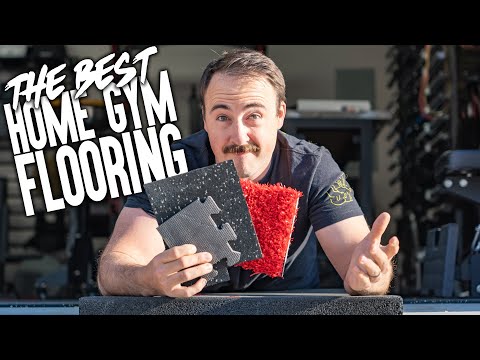
Related Video: "The Best Home Gym Flooring Guide for 2021!" by Garage Gym Reviews
Main Points
– The thickness of gym flooring is important for support and protection during workouts.
– Thicker flooring provides better shock absorption for weight equipment and reduces noise levels during weightlifting sessions.
– Thicker gym flooring extends the longevity of weight equipment and prevents shifting or excessive vibrations.
– Adequate flooring thickness enhances safety, reduces the risk of injuries, and protects both weight equipment and the subfloor.
Importance of Thickness

Choosing the right thickness for your gym flooring is crucial for providing adequate support and protection during workouts. The installation process of your gym flooring is greatly influenced by the thickness you choose.
Thicker flooring often requires more complex installation methods, such as interlocking systems or adhesive application, compared to thinner flooring options.
It’s important to consider the environmental impact of the flooring thickness you choose. Thicker gym flooring typically requires more materials for production, which can have a greater environmental impact. Additionally, transportation and installation of thicker flooring may require more energy and resources, contributing to a larger carbon footprint.
On the other hand, thinner gym flooring may have a smaller environmental impact due to the reduced use of materials and resources.
When selecting the thickness of your gym flooring, it’s essential to consider not only the support and protection it offers during workouts but also the installation process and its environmental impact.
Impact on Weight Equipment

You need to consider the impact gym flooring thickness can have on your weight equipment.
The right thickness can protect your equipment from damage, reduce noise levels, and provide a stable and safe surface for your workouts.
These factors play a crucial role in creating a conducive and safe environment for your weightlifting sessions.
Equipment Protection
To safeguard your weight equipment from damage and wear, consider the impact of gym flooring thickness on equipment protection.
Thicker gym flooring provides better shock absorption, reducing the impact on your weight equipment and extending its longevity.
Proper flooring installation ensures a stable surface, preventing your equipment from shifting or vibrating excessively during use.
Quality flooring materials offer excellent durability, protecting your weight equipment from scratches, dents, and other damage.
Noise Reduction
Consider the impact of gym flooring thickness on noise reduction and its effect on preserving the condition of your weight equipment. When choosing gym flooring, soundproofing and acoustic performance are crucial factors to consider. Thicker flooring with sound-absorbing properties can significantly reduce the noise produced by dropping weights or using heavy equipment, creating a more pleasant workout environment and minimizing disturbances to others in the vicinity. Additionally, the right flooring can help preserve your weight equipment by absorbing the impact and reducing the vibrations that can lead to wear and tear over time. To help you visualize the impact of gym flooring thickness on noise reduction, consider the following comparison table:
| Flooring Thickness (inches) | Noise Reduction Level |
|---|---|
| 0.25 | Moderate |
| 0.5 | Significant |
| 0.75 | High |
| 1.0 | Maximum |
Safety and Stability
As you prioritize the safety and stability of your weight equipment, the impact of gym flooring thickness becomes evident, especially in terms of reducing vibrations and minimizing wear and tear. Here’s why the right flooring thickness is crucial for safety and stability:
1. Stability and Support: Adequate flooring thickness provides a stable base for weight equipment, preventing wobbling or shifting during intense workouts, ensuring your safety and the longevity of your equipment.
2. Injury Prevention: Thicker flooring absorbs impact, reducing the risk of joint and muscle injuries caused by repetitive heavy lifting or dropping weights.
3. Protection: A thicker floor protects both your weight equipment and the subfloor from damage, ensuring a longer lifespan for your investment and maintaining a safe workout environment.
Shock Absorption

Select the flooring thickness that maximizes shock absorption to enhance safety and reduce impact on joints during workouts. Impact absorption is crucial for injury prevention, especially during high-impact exercises like running and jumping. A thicker gym flooring provides better shock absorption, which helps in minimizing the stress on your joints and muscles. This is particularly important for individuals with joint issues or those recovering from injuries.
By choosing a flooring with superior shock absorption, you can create a safer environment for your workouts and reduce the risk of long-term damage to your body.
When the flooring has inadequate shock absorption, the impact of each step or jump can reverberate through your body, leading to discomfort and potential injury. To mitigate this, opt for a flooring thickness that offers optimal shock absorption to cushion the impact and protect your joints. By doing so, you can exercise with greater confidence, knowing that your flooring is working to reduce the strain on your body.
Prioritizing shock absorption in your gym flooring selection can significantly contribute to a safer and more comfortable workout experience.
Durability and Longevity

You need to consider the material lifespan and maintenance requirements when choosing the thickness of your gym flooring. These factors directly impact the durability and longevity of the flooring, affecting its performance and lifespan.
Material Lifespan
The durability and longevity of gym flooring material is a crucial factor to consider when making your selection. When evaluating the material lifespan, it’s essential to consider the quality of the materials used, as this directly impacts how long the flooring will last.
Additionally, the installation process plays a significant role in determining the overall lifespan of the flooring, so be sure to choose a material that can withstand the installation process without compromising its integrity.
Maintenance Requirements
To ensure the durability and longevity of your gym flooring, it’s essential to adhere to the recommended maintenance requirements provided by the manufacturer. Regular maintenance, including cleaning and proper care, is crucial for preserving the durability and extending the lifespan of the flooring material.
It’s important to follow the specific cleaning instructions provided by the manufacturer to prevent damage and maintain the flooring’s integrity. Regularly cleaning the flooring surface with the appropriate cleaning agents and methods will help to remove dirt, sweat, and other contaminants that can compromise its durability.
Additionally, inspecting the flooring for any signs of wear and tear and addressing any issues promptly can also contribute to its longevity. By prioritizing maintenance, you can ensure that your gym flooring remains durable and has a longer lifespan.
Noise Reduction

Minimize noise in your gym by selecting flooring with sufficient thickness to dampen impact and reduce reverberation. When it comes to noise reduction, the right gym flooring can make all the difference. Here’s what you need to consider:
1. Sound Insulation: Opt for gym flooring that offers excellent sound insulation properties. This will help in reducing the transmission of impact noise, ensuring a quieter environment for your workouts. Say goodbye to the disruptive clattering of weights and the thud of footsteps echoing through your gym.

Related Video 2: "Top 5 Home Gym Flooring Options | Cheapest to Most Expensive" by The Movement System
2. Impact Resistance: Look for flooring that provides superior impact resistance. This not only protects the subfloor and equipment but also minimizes the noise generated from activities like weightlifting and cardio exercises. Enjoy a more peaceful and focused workout session without the distraction of loud impacts.
3. Noise-reducing Underlayment: Consider using noise-reducing underlayment in conjunction with your gym flooring. This extra layer can further dampen impact noise and vibrations, creating a more serene workout environment for you and your fellow fitness enthusiasts.
Safety and Injury Prevention

Dampening impact and reducing reverberation through proper gym flooring thickness can also play a crucial role in ensuring safety and preventing injuries during your workouts.
A thick, shock-absorbing gym floor can help minimize the impact on your joints, muscles, and bones, reducing the risk of strains, sprains, and other injuries.
By providing a cushioned surface, the flooring can also contribute to injury prevention by offering a stable base for various exercises, reducing the likelihood of slips, trips, and falls.
Furthermore, the right flooring thickness can enhance your performance by promoting stability and balance, allowing you to focus on proper form and technique without the distraction of discomfort or instability. This can lead to better workout outcomes and a reduced risk of performance-related injuries.
Investing in appropriate gym flooring thickness isn’t only about creating a comfortable and noise-free environment but also about prioritizing safety, injury prevention, and performance enhancement during your fitness routines.
Cost Considerations

When considering cost, prioritize selecting gym flooring thickness that balances quality and affordability to meet your fitness needs and budget. Achieving cost efficiency in gym flooring involves more than just the initial purchase price. The installation process and long-term maintenance costs also play a crucial role in determining the overall affordability of the flooring.
Here are three important cost considerations to keep in mind:
1. Long-Term Durability: Look for gym flooring that offers excellent durability and requires minimal maintenance. While a thicker flooring may have a higher upfront cost, it can often lead to long-term cost savings by reducing the need for frequent repairs or replacements.
2. Installation Process: Consider the installation process when evaluating the cost of gym flooring. Thicker flooring may require professional installation, which could add to the overall cost. However, investing in a higher quality, thicker flooring may reduce the frequency of replacement, ultimately saving you money in the long run.
3. Total Cost of Ownership: Calculate the total cost of ownership, including initial purchase, installation, and maintenance expenses, to determine the most cost-effective option for your specific fitness needs and budget. Keep in mind that a thicker gym flooring may offer better shock absorption and long-term cost savings, making it a worthwhile investment in the overall safety and quality of your gym space.
Maintenance and Cleaning

Considering the cost efficiency of gym flooring thickness, it’s important to address the maintenance and cleaning requirements to ensure long-term durability and performance. Regular cleaning is essential to prolong the lifespan of your gym flooring. Sweeping or vacuuming the floor to remove dirt and debris is crucial to prevent scratches and damage. Additionally, mopping with a mild detergent and water can help maintain the appearance of the flooring. However, it’s important to avoid using harsh chemicals or abrasive cleaners as they can cause wear and tear. When it comes to specialized products, investing in a pH-neutral cleaner specifically designed for gym flooring can provide effective cleaning without compromising the integrity of the material.
In terms of long-term maintenance, professional services may be necessary to address any deep-seated stains, scratches, or damages. Professional cleaners have the expertise and equipment to thoroughly clean and maintain the flooring without causing harm. Moreover, periodic inspections by professionals can help identify any potential issues early on, allowing for timely repairs and maintenance.

Related Video 3: "How To Choose The Right Home Gym Flooring" by Gluck's Gym
Frequently Asked Questions
Can Gym Flooring Thickness Affect the Acoustics of the Space?
Thicker gym flooring impacts soundproofing by reducing reverberation. Flooring thickness affects acoustics, making a noticeable difference in the space. A thicker floor material absorbs more impact, reducing noise and preventing sound from bouncing around. When choosing gym flooring, consider the impact on soundproofing and how thickness affects the acoustics of the space. Thicker flooring can significantly improve the overall sound quality and reduce unwanted noise in the gym.
How Does the Thickness of Gym Flooring Impact the Performance of Cardio Equipment?
When it comes to gym flooring, the thickness can really impact the performance of your cardio equipment. Thicker flooring provides better support and reduces the impact on your equipment, leading to a longer lifespan. Additionally, it can also help with noise reduction, creating a quieter and more pleasant workout environment.
What Is the Relationship Between Flooring Thickness and the Potential for Mold or Mildew Growth?
When it comes to gym flooring, thickness plays a crucial role in mold prevention and moisture control. The right flooring thickness allows for proper ventilation, reducing the potential for mold or mildew growth. Thicker flooring provides better protection against moisture seepage and creates a more suitable environment for preventing mold. Adequate thickness also aids in maintaining a clean and healthy gym space.


