

If you’ve been hitting the gym hard and are looking for ways to ease the discomfort of sore muscles, you’re in luck.
There are six supplements that can help alleviate post-workout soreness and aid in muscle recovery.
Whether you’re a seasoned athlete or just starting out on your fitness journey, these supplements could be the missing link in your post-exercise routine.
So, if you’re ready to take your recovery game to the next level and maximize the benefits of your workouts, stick around to discover the top supplements to relieve sore muscles after your next sweat session.
Table of Contents
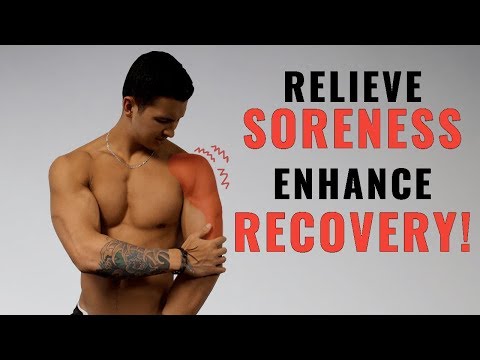
Related Video: "How to Relieve Muscle Soreness and Recover FAST (4 Science-Based Tips)" by Jeremy Ethier
Main Points
– Protein supplements are effective for muscle repair and growth after a workout, reducing muscle soreness and supporting lean muscle development.
– BCAA supplements provide essential amino acids that aid in reducing muscle soreness and promoting muscle growth.
– Creatine supplementation can improve muscle recovery and performance by replenishing ATP stores and promoting muscle repair and growth.
– Omega-3 fatty acids, found in fish oil and foods like flaxseeds and chia seeds, have anti-inflammatory properties that reduce muscle soreness and improve blood flow to the muscles.
Protein

After a workout, your muscles need protein to repair and rebuild themselves. Protein supplements can be a convenient way to ensure that your muscles get the nutrients they need for effective repair and growth. These supplements provide a concentrated source of protein, which is essential for muscle repair.
When you engage in physical activity, especially resistance training, your muscle fibers undergo stress and micro-tears. Protein is crucial for repairing these tears and promoting muscle recovery. By consuming protein supplements after your workout, you can expedite the repair process, reduce muscle soreness, and support the development of lean muscle mass.
Additionally, protein supplements can be easily absorbed by your body, allowing for faster delivery of essential amino acids to your muscles. This rapid absorption can enhance the post-exercise recovery process, helping you bounce back more quickly for your next workout.
Whether in the form of shakes, bars, or powders, protein supplements offer a convenient and effective way to support muscle repair and growth after your workout.
BCAAs

You’ve probably heard about BCAAs and their benefits for muscle recovery. But do you know which sources provide the best BCAA content?
Let’s talk about the advantages of incorporating BCAAs into your post-workout routine for faster recovery and reduced muscle soreness.
Benefits of BCAAs
To improve muscle recovery after a workout, consider the benefits of BCAAs, which can aid in reducing muscle soreness and promoting muscle growth.
BCAAs are known for their effectiveness in promoting muscle repair and reducing muscle fatigue. These essential amino acids, including leucine, isoleucine, and valine, aren’t produced by the body and must be obtained through diet or supplementation.
BCAA supplements provide a convenient way to ensure you’re getting an optimal amount of these crucial nutrients to support your fitness goals.
The benefits of BCAAs extend to their ability to enhance protein synthesis, which is essential for muscle repair and growth.
Best BCAA Sources
Consider incorporating foods rich in BCAAs, such as lean meats, dairy products, and legumes, into your diet to support muscle recovery and growth.
Branched chain amino acids (BCAAs) are essential for muscle repair and maintenance. Some of the best sources of BCAAs include chicken breast, turkey, Greek yogurt, cottage cheese, lentils, and chickpeas.
These protein-rich foods provide the necessary amino acids—leucine, isoleucine, and valine—to aid in post-workout muscle recovery. Consuming these BCAA-rich foods can help reduce muscle soreness and promote muscle protein synthesis, crucial for rebuilding and repairing muscle tissues after intense physical activity.
BCAAs for Recovery
Incorporating BCAAs into your post-workout routine can significantly aid in muscle recovery and reduce soreness.
BCAAs, or branched-chain amino acids, are essential nutrients that your body needs to repair and build muscle tissue. The benefits of BCAAs include reducing muscle soreness, decreasing exercise fatigue, and promoting muscle protein synthesis.
The ideal BCAA dosage for muscle recovery is typically around 5-10 grams per day, which can be consumed before, during, or after your workout. You can easily find BCAAs in the form of supplements such as powders or capsules. These supplements are convenient and can be easily mixed with water or your favorite post-workout shake.
Creatine

Ready to enhance your muscle recovery after workouts? Consider adding creatine to your supplement regimen. Creatine is a well-researched supplement that has shown effectiveness in improving muscle recovery and performance.
When used as a post-workout supplement, creatine can aid in replenishing adenosine triphosphate (ATP) stores, which are essential for providing energy during high-intensity exercises. By increasing the availability of ATP, creatine supplementation may help reduce muscle fatigue and soreness, allowing you to recover more quickly from intense training sessions.
Studies have demonstrated that creatine supplementation can lead to significant improvements in strength and power, which can contribute to better workout performance and overall muscle recovery. Additionally, creatine has been shown to increase water retention in muscle cells, promoting a more favorable environment for muscle repair and growth. This can be particularly beneficial for individuals engaging in resistance training or high-intensity interval training.
Incorporating creatine into your post-workout routine may offer noticeable benefits in terms of muscle recovery and performance. However, as with any supplement, it’s important to consult with a healthcare professional before adding creatine to your regimen, especially if you have any underlying health conditions.
Omega-3 Fatty Acids

After enhancing your muscle recovery with creatine, you can now explore the benefits of Omega-3 fatty acids for further support in reducing muscle soreness and inflammation after workouts. Omega-3 fatty acids, found in fish oil, flaxseeds, and chia seeds, have been shown to have anti-inflammatory properties, which can help in reducing the soreness and swelling of muscles after intense exercise. These healthy fats can also aid in improving blood flow to the muscles, enhancing oxygen delivery and nutrient uptake, ultimately promoting faster recovery.
In addition to reducing muscle soreness, Omega-3 fatty acids offer a myriad of other benefits, including supporting heart health, improving cognitive function, and promoting healthy skin. Incorporating sources of Omega-3 fatty acids into your diet or taking supplements can be a valuable addition to your post-workout routine. Consuming fatty fish such as salmon or mackerel, or incorporating flaxseeds and chia seeds into your meals, can help increase your intake of these essential fatty acids.

Related Video 2: "How to Reduce Muscle Soreness | Dr. Andy Galpin & Dr. Andrew Huberman" by Huberman Lab Clips
Turmeric

You’ve probably heard about the benefits of turmeric for sore muscles, but do you know how to use it effectively?
Turmeric has powerful anti-inflammatory properties that can help alleviate post-workout muscle soreness.
Understanding the proper dosage and usage of turmeric can maximize its effectiveness in reducing muscle inflammation and speeding up recovery.
Benefits of Turmeric
Turmeric has been shown to have anti-inflammatory properties that can help alleviate soreness and promote muscle recovery after a workout. Its benefits include reducing muscle damage and improving muscle soreness.
The active compound in turmeric, curcumin, has been studied for its potential to decrease inflammation and aid in muscle repair.
You can easily incorporate turmeric into your diet by trying out turmeric recipes such as golden milk, turmeric smoothies, or adding it to your post-workout meal. These recipes not only provide the benefits of turmeric but also offer a tasty way to consume this powerful ingredient.
Dosage and Usage
To get the most benefit from turmeric, consider incorporating it into your post-workout routine by adding it to your meals or trying out turmeric recipes. Try adding a pinch of turmeric to your post-workout smoothie or mixing it into a post-exercise meal to reap its anti-inflammatory benefits. The recommended dosage of turmeric for relieving sore muscles is 500-2,000 mg per day of curcumin, the active compound in turmeric. Remember to consult with a healthcare professional to determine the appropriate dosage for your individual needs.It’s important to ensure proper hydration when taking turmeric supplements, as it can help with the absorption of curcumin in the body. Additionally, incorporating stretching techniques into your post-workout routine can complement the effects of turmeric in relieving muscle soreness.
Magnesium

When looking to alleviate sore muscles after a workout, consider incorporating magnesium supplements into your routine for potential relief. Magnesium is an essential mineral that plays a crucial role in muscle function and recovery. Here are a few reasons why magnesium supplements may benefit you:
1. Muscle Relaxation: Magnesium helps relax muscles by regulating muscle contractions and reducing muscle cramps and spasms.
2. Energy Production: It plays a key role in converting food into energy, which is essential for muscle function during workouts and recovery.
3. Reduced Inflammation: Magnesium has anti-inflammatory properties that can help reduce post-workout inflammation and speed up the recovery process.
4. Improved Sleep: Adequate magnesium levels can promote better sleep quality, which is essential for muscle recovery and overall athletic performance.
Incorporating magnesium supplements into your post-workout routine may help alleviate muscle soreness and promote better recovery. However, it’s important to consult with a healthcare professional to determine the appropriate dosage and ensure it’s safe for your individual needs.

Related Video 3: "The Fastest Way to Recover from Soreness" by Mind Pump Show
Frequently Asked Questions
Can I Take All of These Supplements Together, or Should I Space Them Out Throughout the Day?
You should space out these supplements throughout the day to maximize their effectiveness. Taking them all together can affect their absorption and combination in your body.Timing is key when it comes to supplement effectiveness, so try to spread them out for better results. This approach can help your body absorb and utilize the supplements more efficiently, leading to better relief for sore muscles after your workout.
Are There Any Potential Interactions or Side Effects of Combining These Supplements?
When combining supplements, potential interactions and side effects should be considered. It's like driving through a busy intersection; you have to be aware of the potential risks and take safety precautions.Always consult with a healthcare professional to ensure the safety and effectiveness of combining supplements. Some supplements may interact with each other or have side effects, so it's important to be cautious and informed.


