

You’ve likely experienced the unsettling sensation of your muscles trembling like a leaf in the wind during a workout. It can be frustrating and even a little unnerving, but fear not – there are ways to gain control and stability.
By implementing a few strategic approaches, you can minimize the shaking and achieve a more solid foundation for your training. These strategies are not just about pushing through the discomfort, but rather about understanding and addressing the underlying causes.
Whether you’re a seasoned athlete or just starting out, these methods can help you achieve a more stable and effective workout experience.
Table of Contents
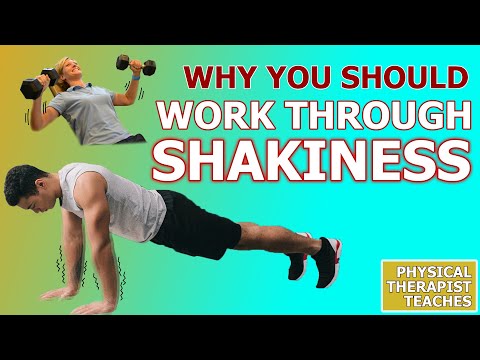
Related Video: "NEVER Stop Your Exercise When You Start Shaking | Physical Therapist Explains Why Muscles Twitch" by Rehab and Revive
Main Points
– A proper warm-up routine, incorporating dynamic stretching exercises and specific static stretches, can help prevent muscle shaking during workouts.
– Paying attention to hydration and electrolyte balance, drinking water regularly, and consuming a balanced diet rich in fruits and vegetables can also reduce muscle shaking.
– Focusing on deep, slow breaths and engaging in diaphragmatic breathing can supply muscles with oxygen and help maintain control during workouts.
– Gradually increasing resistance for progressive overload, maintaining proper form, and prioritizing rest and recovery are important strategies to reduce muscle shaking and prevent injury.
Proper Warm-Up and Stretching

To prevent muscle shaking during your workout, start with a proper warm-up and stretching routine. This is crucial in preparing your body for the physical demands of exercise and can help prevent muscle fatigue and shaking. Begin with 5-10 minutes of light cardio, such as walking or cycling, to increase blood flow and warm up your muscles. Follow this with dynamic stretching, such as leg swings and arm circles, to further loosen your muscles and joints. These movements help to improve your range of motion and flexibility, reducing the likelihood of muscle shaking during your workout.
After your dynamic stretching, move on to specific static stretches targeting the muscle groups you’ll be working. Hold each stretch for 15-30 seconds, focusing on areas prone to shaking, like the legs or arms. This will help release any tension and improve muscle control.
Hydration and Electrolyte Balance

Start paying attention to your body’s hydration and electrolyte balance as it plays a crucial role in minimizing muscle shaking during your workout. Dehydration and electrolyte imbalances can lead to muscle cramps and trembling, affecting your exercise performance.
To combat this, ensure you’re adequately hydrated before, during, and after your workout. Drink water regularly throughout the day and consider a sports drink if you’re engaging in intense or prolonged exercise to replenish lost electrolytes.
Aim to consume a balanced diet rich in fruits and vegetables, which naturally provide essential electrolytes such as potassium, magnesium, and calcium.
Additionally, be mindful of excessive sweating during workouts, as this can deplete your body’s electrolyte stores. If you’re engaging in extended periods of exercise, consider consuming electrolyte supplements to maintain balance.
Controlled Breathing Techniques

Take a moment to focus on your breathing during your workouts.
Try taking deep, slow breaths and engaging in diaphragmatic breathing to help calm your body.
Remember to exhale fully to release tension and maintain control.
Deep, Slow Breaths
Deep, slow breaths are essential for controlling muscle shaking during your workout, helping to regulate your body’s response to exertion and maintain stability. When you feel your muscles start to tremble, take a moment to focus on your breathing.
Inhale deeply through your nose, allowing your diaphragm to expand, and then exhale slowly through your mouth. This deliberate breathing technique can help calm your nervous system and reduce the intensity of muscle shaking.
By taking deep, slow breaths, you supply your muscles with the oxygen they need to function optimally, while also promoting a sense of relaxation and control. Practice this controlled breathing pattern throughout your workout to minimize muscle shaking and enhance your overall performance.
Diaphragmatic Breathing
When your muscles start to tremble, focus on diaphragmatic breathing to regulate your body’s response and reduce shaking during your workout.
Diaphragmatic breathing, also known as deep breathing or abdominal breathing, involves using your diaphragm, a muscle located horizontally between the thoracic cavity and abdominal cavity.
To practice diaphragmatic breathing, place one hand on your chest and the other on your stomach. Inhale deeply through your nose, allowing your abdomen to expand, while keeping your chest relatively still.
Exhale through your mouth, pushing out as much air as possible while contracting your abdominal muscles. This technique helps to reduce the activation of the sympathetic nervous system, which is responsible for the ‘fight or flight’ response, and promotes relaxation, thereby minimizing muscle shaking during your workout.
Exhale Fully
To minimize muscle shaking during your workout, focus on exhaling fully using controlled breathing techniques. When your legs shake during a workout, it could be due to a lack of oxygen and increased carbon dioxide levels in the muscles. By exhaling fully, you ensure that you’re expelling as much carbon dioxide as possible, allowing for a more efficient exchange of oxygen when you inhale.
This controlled breathing technique helps stabilize your muscles and reduces the likelihood of shaking. When you exhale fully, you also engage your diaphragm and core muscles, providing stability and support to your body during exercise. Practice exhaling fully with each repetition or movement, and you may notice a significant decrease in muscle shaking during your workouts.
Progressive Overload and Proper Form

Ensure that you gradually increase the resistance and maintain proper form to prevent muscle shaking during your workout. Progressive overload is essential for building strength and muscle endurance. When you challenge your muscles with gradually increasing resistance, they adapt and grow stronger over time, reducing the likelihood of shaking during exercises.

Related Video 2: "WHY MUSCLE SHAKING HELPS STRENGTH!" by OBAVOS
Proper form is equally important as it ensures that the targeted muscles are effectively engaged without unnecessary strain on other muscle groups. When your form is compromised, muscles that aren’t meant to be the primary movers may start to shake as they struggle to assist the fatiguing muscles. This can also lead to an increased risk of injury.
‘Why do my muscles shake when I workout?’ Muscle shaking can occur due to various reasons such as muscle fatigue, lack of stability, or pushing beyond your current strength level. By incorporating progressive overload and maintaining proper form, you can address these issues and gradually minimize muscle shaking during your workouts.
Remember to listen to your body and gradually progress to heavier weights or more challenging variations while prioritizing proper form to build strength and stability effectively.
Rest and Recovery Strategies

As you continue working on progressive overload and maintaining proper form, it’s important to prioritize rest and recovery strategies to support your muscle growth and prevent excessive shaking during your workouts. Remember, giving your body the time it needs to recover is crucial for progress and injury prevention.
Here are some essential rest and recovery strategies to help you achieve your fitness goals:
– Quality Sleep: Getting enough sleep is vital for muscle recovery and overall performance. Aim for 7-9 hours of quality sleep each night to support your body’s repair processes and reduce muscle shaking during workouts.
– *Emotion-evoking sub-list*: Imagine waking up feeling refreshed and energized, ready to tackle your workouts with confidence and strength.
– Active Recovery: Incorporate light activities such as yoga, walking, or swimming on your rest days to enhance blood flow and promote muscle relaxation.
– *Emotion-evoking sub-list*: Visualize the feeling of rejuvenation and mental clarity that comes from engaging in gentle, restorative movement.
Nutrition and Supplementation

Considering your fitness goals, consuming a balanced diet with adequate macronutrients and incorporating relevant supplements can significantly impact your muscle stability and reduce shaking during your workouts. Proper nutrition plays a crucial role in providing your muscles with the necessary fuel for optimal performance. Ensure that your diet includes a balance of carbohydrates, proteins, and healthy fats to support muscle function and prevent fatigue-induced shaking.
Carbohydrates are essential for providing energy during workouts, while protein aids in muscle repair and growth. Healthy fats contribute to hormone production and overall well-being, supporting your body’s ability to maintain stability during exercise.
In addition to a well-rounded diet, supplementation can further enhance your muscle stability. Creatine, for example, has been shown to improve muscle strength and endurance, potentially reducing muscle shaking during intense workouts. Beta-alanine can also help decrease muscle fatigue, leading to improved muscle control and reduced shaking. Moreover, incorporating electrolyte supplements can help maintain proper muscle function and prevent dehydration-induced shaking.
However, it’s crucial to consult with a healthcare professional or a registered dietitian before adding any new supplements to your regimen to ensure they align with your individual needs and fitness goals. By prioritizing nutrition and smart supplementation, you can effectively minimize muscle shaking and optimize your workout performance.
Frequently Asked Questions
Can Muscle Shaking During a Workout Be a Sign of an Underlying Medical Condition?
Muscle shaking during a workout can be a sign of various factors. This may include muscle fatigue, low blood sugar, or dehydration.In some cases, it could also indicate an underlying medical condition, such as an electrolyte imbalance or a neurological issue. If you experience persistent muscle shaking during workouts, it's important to consult with a healthcare professional to rule out any potential medical concerns and ensure your safety during physical activity.
Are There Specific Exercises or Movements That Are More Likely to Cause Muscle Shaking?
When doing certain exercises or movements, like holding a challenging yoga pose or lifting heavy weights, your muscles may shake. This is often due to muscle fatigue and the effort required to stabilize your body.Focusing on proper form, gradually increasing intensity, and giving your muscles time to recover can help reduce shaking. Remember to listen to your body and not push yourself too hard to avoid potential injury.


