

Looking to add some definition to your biceps? You might have been focusing on your inner biceps, but what about the often-neglected outer biceps?
If you want to enhance your arm strength and achieve a more balanced look, incorporating targeted exercises for the outer biceps is key.
By incorporating these 6 effective moves into your workout routine, you’ll be on your way to building a more complete and well-rounded set of biceps.
Table of Contents

Related Video: "How to Grow Your Biceps WIDTH (Nobody Does These!)" by Jeremy Ethier
Main Points
– Targeting the outer biceps enhances the effectiveness of the workout and strengthens the muscles.
– Focusing on the outer biceps leads to a feeling of burn and fatigue, indicating progress.
– Working the outer biceps independently minimizes the involvement of other muscles and maximizes tension on the targeted area.
– Engaging the brachialis, brachioradialis, and forearm muscles through various exercises promotes balanced development and strength in the upper arms.
Standing Cable Curl

To effectively target your outer biceps, you can perform the standing cable curl exercise with proper form and control.
Start by setting the cable machine at the lowest position and attaching a straight bar to the cable.
Stand with your feet shoulder-width apart, grab the bar with an underhand grip, and keep your elbows close to your body.
While exhaling, slowly curl the bar up towards your chest, ensuring your elbows stay in a fixed position.
Hold for a moment to maximize the contraction in your outer biceps, then inhale as you lower the bar back to the starting position.
It’s crucial to maintain a controlled movement throughout to fully engage the outer biceps and prevent momentum from taking over.
Aim for 3 sets of 10-12 repetitions with a weight that challenges you without sacrificing proper form.
Incline Dumbbell Curl

To maximize the effectiveness of your incline dumbbell curls, focus on maintaining proper form and technique throughout the exercise. This will ensure that you’re targeting the outer biceps and getting the most out of each repetition.
Additionally, consider incorporating variations of the incline dumbbell curl to progressively challenge your muscles and continue to see improvements in your bicep strength and definition.
Proper Form and Technique
For proper form and technique in the incline dumbbell curl, maintain a steady and controlled movement throughout the exercise. Begin by sitting on an incline bench set at a 45-degree angle, ensuring your back is fully supported. Hold a dumbbell in each hand, allowing your arms to fully extend toward the floor. As you exhale, flex your elbows and curl the weights while keeping your upper arms stationary. Focus on contracting your biceps as you lift the dumbbells, then slowly lower them back to the starting position as you inhale. Remember to avoid using momentum or swinging the weights, as this can diminish the effectiveness of the exercise and increase the risk of injury.
| Incline Dumbbell Curl | |
|---|---|
| Dos | Don’ts |
| Maintain steady movement | Avoid swinging weights |
| Keep upper arms stationary | Use momentum |
Targeting the Biceps
Once you’ve mastered the proper form and technique for the incline dumbbell curl, focus on contracting your biceps to effectively target this muscle group.
When you contract your biceps during the incline dumbbell curl, you’ll feel a satisfying burn that lets you know you’re working those muscles to the max.
This targeted effort will help you achieve the sculpted, defined outer biceps you’ve been striving for.
As you contract your biceps, visualize the muscle fibers engaging and growing stronger with each repetition, driving you closer to your fitness goals.
Embrace the challenge of pushing your biceps to their limit, knowing that the burn is a sign of progress and improvement.
Variations for Progression
Consider incorporating additional resistance by using heavier dumbbells or adjusting the incline angle for a more challenging incline dumbbell curl workout. Gradually increasing the weight of the dumbbells will help to continuously challenge your outer biceps and promote muscle growth. Start with a weight that allows you to perform 8-12 reps with proper form, and as you become stronger, gradually increase the weight.
Additionally, adjusting the incline angle on the bench can also intensify the exercise. A steeper incline angle will shift more of the workload onto the outer biceps, providing a greater challenge. Conversely, a lower incline angle can be used to focus on form and endurance.
Experiment with different incline angles to find the optimal level of challenge for your incline dumbbell curl workout.
Hammer Curl

To effectively target your outer biceps, incorporate the hammer curl exercise into your workout routine. The hammer curl is a powerful move that specifically targets the brachialis and brachioradialis muscles, helping to carve out the outer portion of your biceps.
Here are some compelling reasons why you should consider adding hammer curls to your workout routine:
– Versatility: Hammer curls can be performed with dumbbells, cables, or a barbell, providing you with versatile options to keep your workout engaging and challenging.
– Functional Strength: By working the brachialis and brachioradialis, hammer curls can improve your grip strength and forearm stability, which are essential for various daily activities and sports.
– Balanced Development: Incorporating hammer curls into your routine helps ensure a balanced development of your biceps, as it targets the often-neglected outer portion, contributing to a more symmetrical and aesthetically pleasing arm shape.
Including hammer curls in your workout routine not only adds variety but also brings about functional strength gains and balanced muscle development, making it a valuable addition to your arm training regimen.
Reverse Grip Barbell Curl

Now it’s time to focus on the reverse grip barbell curl. This exercise targets the outer biceps and can help you achieve a well-rounded arm workout.
Pay attention to your grip position, maintain proper form, and use muscle activation techniques for optimal results.
Grip Position Importance
For effective development of your outer biceps, the grip position is crucial when performing the Reverse Grip Barbell Curl. The grip you use can make a significant difference in targeting the outer biceps and maximizing your workout results. Consider the following points:
– Comfort: Using a grip that feels natural and comfortable for you can enhance your overall lifting experience and help you maintain proper form throughout the exercise.
– Control: The grip position directly impacts the level of control you have over the barbell, allowing you to focus on isolating the outer biceps and minimizing unnecessary strain on other muscle groups.
– Intensity: The grip position can influence the intensity of the exercise, affecting the degree of resistance and the specific areas of the outer biceps that are engaged.

Related Video 2: "The Best Science-Based DUMBBELL Biceps Exercises For Size And Shape" by Jeremy Ethier
Proper Form Tips
Considering the importance of grip position for targeting your outer biceps, mastering the proper form for the Reverse Grip Barbell Curl is essential for maximizing your workout effectiveness. To ensure that you are executing this exercise correctly, follow these form tips:
| Proper Form Tips for Reverse Grip Barbell Curl |
| 1. Stand with your feet shoulder-width apart. |
| 2. Hold the bar with an underhand grip, hands slightly narrower than shoulder-width apart. |
| 3. Keep your elbows close to your body and curl the bar upwards towards your chest, focusing on contracting your outer biceps. |
Maintaining the correct form is crucial for effectively targeting your outer biceps and avoiding injury. By following these tips, you can optimize the benefits of the Reverse Grip Barbell Curl in your workout routine.
Muscle Activation Techniques
To activate your outer biceps effectively during the Reverse Grip Barbell Curl, focus on maintaining a strong and controlled grip with your hands slightly narrower than shoulder-width apart. This grip width emphasizes the engagement of the outer biceps, maximizing the effectiveness of the exercise.
As you perform the curl, visualize your outer biceps contracting with each repetition, creating a mind-muscle connection that enhances the effectiveness of the workout. Feel the burn in your outer biceps as you power through each curl, knowing that the discomfort signifies the muscles being challenged and strengthened.
Embrace the sensation of fatigue as a sign of progress, pushing yourself to complete each set with determination and focus. Celebrate the feeling of accomplishment as you finish your workout, knowing that you’ve effectively targeted and activated your outer biceps.
Concentration Curl

One effective exercise for targeting the outer biceps is the concentration curl, which involves isolating the biceps muscle to build strength and definition.
To perform concentration curls, sit on a bench with your legs spread apart. Hold a dumbbell in one hand with your palm facing upward, and rest your elbow on the inside of your thigh. Slowly curl the weight upward, keeping your upper arm still and focusing on contracting the biceps. Lower the weight back down in a controlled manner.
This exercise forces the biceps to work independently, minimizing the involvement of other muscles and maximizing the tension on the outer biceps. By concentrating on each arm individually, you can ensure balanced development and strength.
Aim for 3 sets of 10-12 reps on each arm, focusing on the mind-muscle connection to fully engage the outer biceps. Incorporating concentration curls into your workout routine can help sculpt and define the outer biceps, contributing to a well-rounded, impressive arm appearance.
Zottman Curl

When performing the Zottman curl, you can effectively engage both the inner and outer biceps, complementing the isolated focus of the concentration curl. This exercise not only targets the brachialis and brachioradialis but also recruits the forearm muscles, providing a comprehensive upper arm workout.
Here’s why the Zottman curl is a game-changer for your outer biceps:
– Versatility: The Zottman curl offers a versatile movement that challenges your muscles in multiple ways. The combination of a traditional bicep curl followed by a reverse grip on the way down provides a unique stimulus for muscle growth and definition.
– Functional Strength: By incorporating the forearm muscles, the Zottman curl enhances your grip strength and overall forearm development, which is beneficial for various daily activities and sports.
– Progressive Overload: This exercise allows for easy progression by simply adjusting the weights, making it suitable for both beginners and advanced lifters. Progressively overloading the muscles is key to continual growth and strength gains.
Incorporating the Zottman curl into your workout routine can add variety and effectiveness to your outer bicep training, leading to well-rounded arm development.
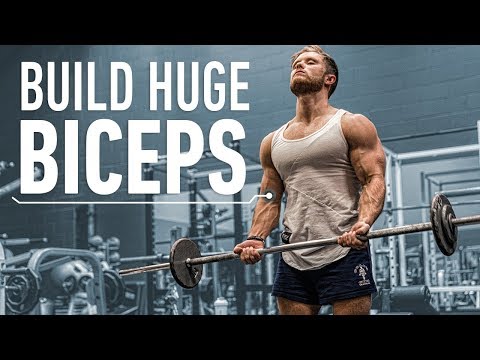
Related Video 3: "How To Build Huge Biceps: Optimal Training Explained" by Jeff Nippard
Frequently Asked Questions
Can These Exercises Help With Reducing Arm Fat?
Yes, these exercises can help reduce arm fat. By targeting the outer biceps, you're engaging the muscles in that area, which can contribute to overall fat loss.Incorporating these moves into your workout routine, along with a balanced diet, can lead to visible improvements in arm fat.Consistency is key, so stick with it and you'll likely see the results you're aiming for.
Should I Do These Exercises on Separate Days or Can I Incorporate Them Into One Workout?
You can definitely incorporate these exercises into one workout. Working your outer biceps on the same day as other arm exercises can help you achieve a balanced and efficient workout routine.However, make sure to allow for adequate rest between workouts targeting the same muscle group to prevent overtraining and promote proper muscle recovery.


