

Tired of the same old shoulder workouts that don’t seem to make a difference? You’re not alone. But fear not, because there are six effective ways to target and strengthen your deltoids that you may not have tried yet.
These exercises have been proven to produce results, and incorporating them into your routine could be the game-changer you’ve been looking for.
Table of Contents

Related Video: "Top 3 Shoulder Exercises For 3D Delts" by Jeff Nippard
Main Points
– The Arnold Press is a beneficial exercise for targeting all three heads of the deltoids and improving shoulder stability.
– The Bent-Over Reverse Fly is an effective exercise for strengthening the muscles in the shoulders and upper back, improving posture, and targeting the rear deltoids.
– Other deltoid exercises such as the Shoulder Press, Lateral Raises, Upright Rows, Push-ups, and Military Press can also be incorporated into deltoid workouts for comprehensive shoulder development.
– To optimize deltoid workouts, it is important to warm up properly, gradually increase intensity, focus on form and technique, incorporate a variety of exercises, and allow for sufficient rest and recovery.
Dumbbell Shoulder Press

To perform the dumbbell shoulder press, stand with your feet shoulder-width apart and hold a dumbbell in each hand at shoulder level, palms facing forward. Engage your core, and ensure your back is straight.
Exhale as you push the dumbbells upward until your arms are fully extended. Inhale as you slowly lower the dumbbells back to shoulder level.
This exercise targets the deltoid muscles, helping to build strength and definition in your shoulders. It’s crucial to perform the movement with proper form to prevent injury and maximize effectiveness.
Start with a weight that allows you to complete 3 sets of 8-12 repetitions with proper form. As you progress, gradually increase the weight while maintaining good form.
Incorporating the dumbbell shoulder press into your workout routine will effectively work your deltoids and contribute to overall shoulder development. Remember to warm up before starting the exercise and to stretch your deltoids afterward to prevent muscle tightness and aid in recovery.
Lateral Raises

If you want to target your deltoids and improve shoulder strength, try incorporating lateral raises into your workout routine. Lateral raises are an effective isolation exercise that specifically targets the middle deltoid head, helping to enhance shoulder width and overall shoulder definition.
Stand with a slight bend in your knees and hold a dumbbell in each hand at your sides.
Keeping a slight bend in your elbows, raise the dumbbells directly to the sides until your arms are parallel to the ground.
Lower the dumbbells back down with control to the starting position.
Lateral raises can be performed using dumbbells, resistance bands, or machines, making them a versatile exercise suitable for various fitness levels. Start with lighter weights to focus on form and gradually increase the resistance as your strength improves. Aim for controlled movements and avoid using momentum to lift the weights, ensuring that your deltoids are effectively engaged throughout the exercise.
Incorporating lateral raises into your routine can help you achieve well-rounded shoulder development and enhance your overall upper body strength.
Front Raises

Let’s start by discussing the proper form for front raises.
You’ll also learn about the benefits of incorporating front raises into your deltoid workout.
And finally, we’ll explore some variations to keep your front raises engaging and effective.
Proper Form for Front Raises
Ensure that your feet are shoulder-width apart and hold a dumbbell in each hand, keeping your arms straight down by your sides.
To perform front raises effectively, follow these steps:
– Engage your core muscles to stabilize your body throughout the exercise.
– Lift the dumbbells directly in front of you, leading with your elbows and keeping a slight bend in your elbows.
– Raise the dumbbells until your arms are parallel to the floor, then slowly lower them back down to the starting position.
Maintain a controlled movement and avoid swinging the weights to prevent strain or injury.
Benefits of Front Raises
Performing front raises can help strengthen and tone your anterior deltoids, contributing to improved shoulder stability and functionality.
By targeting the front part of your shoulders, front raises help to enhance the overall appearance of your upper body, creating a more balanced and defined physique.
Additionally, this exercise can assist in improving your posture by counteracting the effects of rounded shoulders, which are common in individuals who spend long hours sitting at a desk.
Strengthening the anterior deltoids through front raises also aids in enhancing your performance in various upper body exercises such as bench presses and overhead presses.
Furthermore, by strengthening these muscles, you can reduce the risk of shoulder injuries and imbalances, allowing you to perform everyday activities with greater ease and comfort.
Variations for Front Raises
To add variety to your shoulder workouts, consider exploring different variations for front raises that can further strengthen and tone your anterior deltoids. By incorporating these variations into your routine, you can target your deltoids from different angles and prevent plateauing. Here are three variations to try:
– Single Arm Front Raises: Hold a dumbbell in one hand and raise it directly in front of you, focusing on isolating each shoulder individually.
– Plate Front Raises: Instead of using dumbbells, hold a weight plate with both hands and raise it to shoulder height, engaging your stabilizing muscles as well.
– Cable Front Raises: Attach a straight bar to a low pulley cable and, standing facing away from the machine, raise the bar in front of you, keeping your arms straight.
These variations will challenge your deltoids in new ways, leading to enhanced muscle development.
Upright Rows

For targeting your deltoids, include upright rows in your workout routine. Upright rows are a fantastic exercise for building shoulder strength and mass. To perform upright rows, start by standing with your feet shoulder-width apart and holding a barbell or dumbbells in front of your thighs with an overhand grip. As you exhale, lift the weight straight up toward your chin, keeping it close to your body. Your elbows should drive the movement, pointing upwards and outwards. Pause at the top of the movement and then slowly lower the weight back down to the starting position.
When performing upright rows, it’s essential to maintain proper form to prevent shoulder impingement. Avoid lifting the weight too high or using excessive weight that could strain your shoulders. Focus on controlled movements and engage your deltoids throughout the exercise.
Upright rows primarily target the lateral deltoid head, helping to develop width and definition in your shoulders. Including upright rows in your deltoid workout routine can contribute to well-rounded, strong shoulder muscles.

Related Video 2: "How To Build Capped Shoulders: Optimal Training Explained (Side Delts)" by Jeff Nippard
Arnold Press

Let’s talk about the proper form for Arnold Press and the benefits it offers.
You’ll learn how to execute this exercise correctly to maximize its effectiveness.
Plus, you’ll discover how Arnold Press can help you target different parts of your deltoids for a well-rounded workout.
Proper Form for Arnold Press
You should begin the Arnold Press exercise by holding a dumbbell in each hand at shoulder level with your palms facing towards you. Keep your back straight, engage your core, and maintain a slight bend in your knees to provide stability throughout the exercise.
Here’s a breakdown of the proper form for Arnold Press:
– Press the dumbbells upward while simultaneously rotating your wrists, so your palms face forward at the top of the movement.
– Pause briefly at the top of the motion, ensuring your arms are fully extended without locking your elbows.
– Slowly lower the dumbbells back to the starting position while rotating your wrists back to the initial position with your palms facing towards you.
Maintaining proper form is crucial for effectively targeting the deltoid muscles and preventing injury.
Benefits of Arnold Press
After mastering the proper form for Arnold Press, you can now explore the numerous benefits this exercise offers for strengthening and sculpting your deltoid muscles. The Arnold Press is a versatile shoulder exercise that targets all three heads of the deltoids, providing a wide range of benefits for your shoulder muscles. Here are some key advantages of incorporating Arnold Press into your workout routine:
| Benefits of Arnold Press |
|---|
| Targets all three heads of the deltoids |
| Engages stabilizer muscles for improved shoulder stability |
| Offers a greater range of motion compared to traditional shoulder presses |
| Helps in developing balanced and symmetrical shoulder muscles |
| Can be performed with a variety of equipment, such as dumbbells or barbells |
Incorporating Arnold Press into your workout routine can lead to well-rounded and sculpted deltoid muscles.
Bent-Over Reverse Fly

To effectively target your deltoids, engage in the bent-over reverse fly exercise. This exercise helps strengthen the muscles in your shoulders and upper back, providing balance to your shoulder development.
– Proper Form: Stand with your feet shoulder-width apart, holding a dumbbell in each hand. Bend at the hips, keeping your back straight, and let the dumbbells hang in front of you. Engage your core and keep a slight bend in your elbows.
– Movement: With control, lift the dumbbells out to the sides until your arms are parallel to the ground. Focus on squeezing your shoulder blades together at the top of the movement to fully engage the rear deltoids.
– Variations: You can perform this exercise using a bench for support, or with cables instead of dumbbells to change the resistance pattern.
Incorporating bent-over reverse fly into your shoulder workout routine can help improve posture, shoulder stability, and overall shoulder strength. Remember to start with lighter weights to master the movement and avoid straining your muscles.
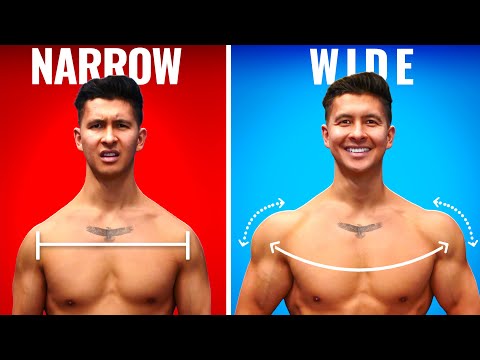
Related Video 3: "The #1 Workout That BLEW UP My Shoulders (3 Exercises)" by Jeremy Ethier
Frequently Asked Questions
What Are Some Common Mistakes to Avoid When Performing These Deltoid Exercises?
When working out your deltoids, avoid these common mistakes: using improper form, lifting too much weight, and neglecting the full range of motion.Remember, 'quality over quantity' – focus on perfecting your technique rather than rushing through the exercises.
How Can I Modify These Exercises if I Have a Shoulder Injury or Limited Range of Motion?
If you have a shoulder injury or limited range of motion, you can modify these exercises by using lighter weights, focusing on proper form, and avoiding movements that cause pain.Additionally, you can try incorporating resistance bands or using machines that provide more stability.It's crucial to listen to your body and consult with a healthcare professional to ensure you're taking the appropriate precautions for your specific condition.


