

You’ve probably heard about creatine as a supplement for bulking up, but did you know that it’s actually naturally found in small amounts in some foods like red meat and fish?
The role of creatine in muscle growth and athletic performance has been a topic of interest among fitness enthusiasts and athletes alike. Understanding the key insights into creatine’s effects on bulking up can provide you with valuable knowledge to make informed decisions about your fitness regimen.
So, let’s take a closer look at the science behind creatine and its potential benefits and drawbacks for those aiming to bulk up.
Table of Contents

Related Video: "The BEST Way To Use Creatine For Muscle Growth (4 STEPS)" by Jeremy Ethier
Main Points
– Creatine enhances muscle strength and power output, allowing for heavier weights and increased workout intensity.
– Creatine supports muscle recovery and increases ATP availability, crucial for energy during high-intensity activities.
– Creatine improves overall strength gains and optimizes bulking results during strength training.
– Creatine supplementation, combined with resistance training, can lead to increased muscle mass and improved muscle size.
The Science Behind Creatine

Understanding the science behind creatine can give you insight into how it works in your body to enhance athletic performance and aid in muscle growth. Creatine supplementation plays a crucial role in muscle hydration. When you take creatine, it draws water into your muscle cells, increasing their volume and providing a more favorable environment for muscle growth. This hydration also helps with protein synthesis, the process by which your muscles repair and grow after exercise.
Creatine metabolism is another key aspect. When you consume creatine, it’s converted into phosphocreatine, which serves as a rapid source of energy during high-intensity activities like weightlifting and sprinting. This allows you to push yourself harder during workouts, ultimately leading to greater gains in strength and muscle mass.
In terms of exercise performance, creatine has been shown to improve high-intensity, short-duration activities such as weightlifting, sprinting, and jumping. By increasing the availability of energy, creatine supplementation can help you push through those last few reps or sprint that extra distance, leading to improved overall athletic performance.
Benefits of Creatine for Muscle Growth

You’ll be glad to know that creatine offers a range of benefits for muscle growth.
It can enhance muscle strength, allowing you to lift heavier weights and push yourself further during workouts.
Additionally, creatine supports energy production in your muscles, helping you power through intense training sessions and maximize your gains.
Muscle Strength Benefits
Improving muscle strength and promoting muscle growth are among the key benefits of using creatine as a dietary supplement.
Creatine enhances muscle strength by aiding muscle recovery and increasing ATP availability, which is crucial for energy during high-intensity activities. This allows you to push harder during workouts, leading to improved athletic performance.
By increasing muscle strength, creatine supplementation can help you lift heavier weights and perform more reps, leading to greater muscle stimulation and growth over time. Additionally, creatine promotes the retention of lean muscle mass, further contributing to overall muscle strength.
With creatine, you can experience enhanced muscle strength and improved athletic performance, ultimately supporting your goals of bulking up and achieving greater muscle mass.
Energy Production Support
To support muscle growth, creatine enhances energy production, allowing for increased ATP availability during high-intensity activities. This means that you can push yourself harder during workouts, leading to greater muscle stimulation and growth. Additionally, creatine plays a crucial role in enhancing recovery, enabling you to bounce back quicker from intense training sessions. This not only supports your muscle growth but also allows you to maintain a higher training frequency, further promoting muscle development. Furthermore, the improved energy production from creatine supplementation can significantly enhance your athletic performance, enabling you to perform at higher levels for longer durations. Here’s a visual representation of the benefits of creatine for energy production support:
| Benefits of Creatine for Energy Production Support | |
|---|---|
| Enhanced Recovery | Improved Athletic Performance |
Creatine’s Impact on Strength Training

If you’re looking to boost your strength gains, enhance your training performance, and improve your muscle endurance, creatine may be the supplement you need.
It has been shown to help increase your overall strength and power output during resistance training, ultimately leading to more effective workouts.
With creatine, you may find yourself able to push through those last few reps and break through plateaus, leading to better results in your strength training regimen.
Strength Gains With Creatine
Creatine supplementation enhances strength gains in individuals engaged in resistance training, providing a significant advantage in their muscle-building efforts. Studies have consistently shown that creatine supplementation can lead to improved strength and power output during resistance training. This means that you can lift heavier weights and perform more reps, ultimately leading to greater muscle stimulation and growth.
Additionally, creatine has been found to increase muscle fiber size, further contributing to improved strength and bulking results. By increasing the availability of energy in the muscles, creatine allows you to push through those last few challenging reps, leading to greater overall gains in strength.
Therefore, if you’re looking to maximize your strength gains and optimize your bulking results, creatine supplementation could be a valuable addition to your training regimen.
Training Performance Enhancement
Enhancing your training performance is crucial for maximizing strength gains and making the most of your bulking efforts, and creatine’s impact on strength training is a key factor to consider. When it comes to creatine supplementation, research has consistently shown its positive effects on strength and power output during resistance training. Additionally, incorporating creatine into your pre-workout nutrition routine can further enhance its benefits. Check out the table below for a quick summary of creatine’s impact on training performance:
| Benefits of Creatine for Training Performance | Examples |
| Increased strength and power output | Higher weights lifted, explosive movements |
| Improved muscle endurance | Longer time to fatigue during high-intensity sets |
| Accelerated muscle recovery | Shorter rest periods between sets |
| Enhanced overall training quality | More productive workouts, better results |
Consider integrating creatine supplementation and optimizing your pre-workout nutrition to take your training performance to the next level.
Muscle Endurance Improvement
To improve your muscle endurance during strength training, consider incorporating creatine supplementation into your routine for enhanced performance. Creatine has been shown to benefit endurance training by increasing the body’s ability to produce energy rapidly, allowing for longer and more intense workouts.
Studies have demonstrated that creatine can enhance muscle endurance, especially during high-intensity, repetitive activities such as weightlifting, sprinting, and cycling. By increasing the availability of adenosine triphosphate (ATP), the primary energy carrier in cells, creatine helps delay muscle fatigue, allowing you to push through more reps or sustain higher power output for longer periods.
Endurance training with creatine can lead to improved workout capacity, better overall performance, and enhanced adaptation to training, making it a valuable supplement for individuals looking to maximize their muscle endurance during strength training.
Potential Side Effects of Creatine

When considering the use of creatine for bulking up, it’s important to be aware of the potential side effects that may occur. While creatine is generally considered safe for most people, it’s crucial to understand the potential risks and long-term effects associated with its use. Here are some potential side effects to consider:
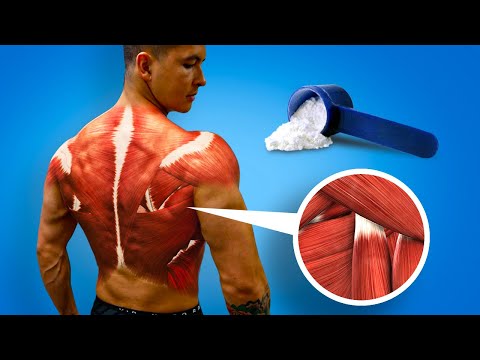
Related Video 2: "What Happens To Your Body After Taking Creatine For 30 Days?" by Jeremy Ethier
– Dehydration: Creatine supplementation may lead to an increase in water retention within the muscles, potentially causing dehydration if fluid intake isn’t sufficient.
– Gastrointestinal Distress: Some individuals may experience stomach discomfort, diarrhea, or nausea when taking creatine supplements.
– Weight Gain: Due to water retention in the muscles, some users may experience a rapid increase in body weight, which may not necessarily be attributed to muscle gain.
– Kidney Function: Although there’s limited evidence linking creatine supplementation to adverse effects on kidney function in healthy individuals, those with pre-existing kidney conditions should exercise caution and consult a healthcare professional before using creatine.
Being mindful of these potential side effects can help you make an informed decision about whether creatine is the right choice for your bulking goals. Always consult with a healthcare provider before beginning any new supplement regimen.
Creatine and Water Retention

Creatine supplementation can lead to an increase in water retention within your muscles, potentially impacting your overall hydration levels. When you consume creatine, it draws water from your body into your muscles, which is why some people experience weight gain shortly after starting creatine supplementation.
While this water retention can initially make your muscles appear fuller, it’s important to note that it doesn’t necessarily equate to an increase in muscle mass. However, this increased water content in your muscles can have benefits for muscle recovery. The additional water retained in your muscles may help with nutrient transport and muscle repair processes, potentially aiding in faster recovery after intense workouts.
On the flip side, if you fail to maintain adequate hydration levels while supplementing with creatine, it could potentially lead to dehydration. As such, it’s crucial to ensure that you drink enough water to counterbalance the water drawn into your muscles by creatine, thereby maintaining overall hydration and supporting optimal muscle function.
Dosage and Timing Recommendations

For optimal results, consider starting with a moderate creatine dosage and gradually increasing it as needed. Finding the optimal creatine dosage for your body can be a process of trial and error, but a common approach is to begin with a daily intake of 3-5 grams. After a week or two, if you’re not experiencing the desired effects, gradually increase your daily intake by 2-3 grams until you find the right dosage for you.
When it comes to the timing of creatine supplementation, the key question is whether to take it pre-workout or post-workout. Some individuals experience better results when taking creatine pre-workout, as it may provide an energy boost during exercise. Others find that taking it post-workout helps with muscle recovery and growth. Experimenting with both timing options can help you determine which works best for your body.
Consider splitting your daily creatine intake into multiple doses to maintain consistent levels in your body. For example, you could take half of your daily intake before your workout and the other half after your workout to maximize its benefits throughout the day.
Creatine’s Role in Energy Production

To enhance your understanding of creatine’s role in energy production, consider its function in supplying readily available energy for high-intensity activities. Creatine supplementation plays a crucial role in enhancing energy metabolism by increasing the availability of adenosine triphosphate (ATP), the primary energy currency in cells.
When you engage in short bursts of high-intensity physical activities like weightlifting or sprinting, your body relies heavily on ATP for energy. Creatine benefits athletic performance by replenishing ATP stores, allowing you to exert more force and power during these activities. This means that creatine supplementation can help you push harder and longer during workouts, ultimately contributing to better muscle growth and overall performance.
Creatine’s Effectiveness for Bulking Up

After understanding how creatine enhances energy metabolism and improves athletic performance, you’re likely curious about its effectiveness for bulking up and gaining muscle mass. Creatine has been widely studied for its potential in promoting muscle growth and increasing strength.
Here are some key insights into creatine’s effectiveness for bulking up:
– Muscle Gain: Research suggests that creatine supplementation can lead to increased muscle mass, especially when combined with resistance training.
– Strength Improvement: Creatine has been shown to enhance strength, allowing you to lift heavier weights during workouts, which can contribute to muscle growth.
– Safety: Numerous studies have demonstrated that creatine is safe for most people when taken within recommended doses. It’s one of the most extensively researched supplements in terms of safety and effectiveness.
- Water Retention: It’s important to note that creatine supplementation may cause water retention within muscle cells, which can contribute to a temporary increase in muscle size.

Related Video 3: "Bodybuilding Simplified: Creatine" by trainer winny
Frequently Asked Questions
Can Creatine Be Used as a Pre-Workout Supplement?
Feeling pumped? Creatine can definitely rev up your pre-workout routine. It's known to boost muscle power, aiding those intense lifts.But remember, moderation is key. Overdoing it can lead to dehydration and cramps. Stick to recommended doses and take it before hitting the gym.When used right, creatine can supercharge your workouts and help you crush those gains. Just be mindful of the balance.
Are There Any Specific Types of Exercises That Work Best With Creatine Supplementation?
When it comes to creatine and endurance training, incorporating creatine supplementation into your routine can potentially enhance your performance and recovery.For strength training, creatine has been shown to support increased muscle strength and power output.So, whether you're hitting the track or lifting weights, creatine could be a beneficial addition to your training regimen.Remember to always consult with a healthcare professional before starting any new supplement.


