

Imagine the serene sound of water gently lapping against your kayak as you glide through the tranquil waters. But beyond the peaceful scenery, have you ever wondered what kind of workout your body is getting while kayaking?
You might be surprised to learn just how many muscle groups are engaged during this activity. As you paddle through the water, your upper back, shoulders, arms, core, and chest are all put to work. But that’s not all – there are even more muscle groups that benefit from this full-body workout.
Table of Contents
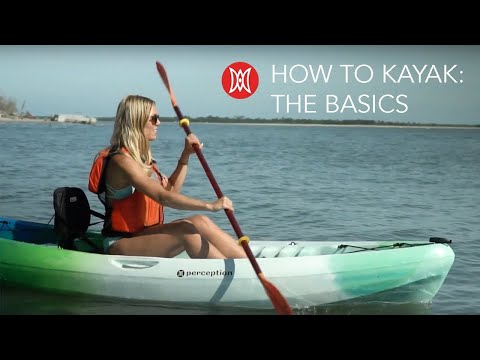
Related Video: "How to Kayak - What Beginners Need to Know | Perception Kayaks" by Perception Kayaks
Main Points
– Kayaking engages and strengthens the upper body muscles, including the latissimus dorsi, rhomboids, trapezius, deltoids, rotator cuff, and chest muscles.
– It also targets the arm and hand muscles, such as the biceps, triceps, forearms, wrists, and hands, improving grip strength, endurance, and coordination.
– Kayaking requires a strong core for stability, balance, and maneuverability, reducing the risk of injury and enhancing power transfer.
– The lower body muscles, including the quadriceps, hamstrings, calves, and glutes, are engaged for propulsion, stabilization, support, and hip rotation during paddling.
Upper Back

When kayaking, your upper back muscles play a crucial role in propelling the paddle through the water. This repetitive motion engages and strengthens the muscles in your upper back, particularly the latissimus dorsi, rhomboids, and trapezius. As you pull the paddle through the water, these muscles contract and release, providing the necessary power for each stroke. This action not only enhances your paddling efficiency but also acts as a great workout for your upper back.
The resistance from the water adds an element of strength training to the workout, making kayaking an effective way to tone and strengthen these muscle groups.
Is kayaking a good workout? Absolutely. The constant paddling motion engages various muscle groups, including the upper back, making it a full-body workout. Additionally, the rotational movements involved in kayaking also activate the core muscles, further contributing to its effectiveness as a workout.
Shoulders

Engage your shoulder muscles as you maneuver the kayak paddle through the water, utilizing the powerful deltoids and rotator cuff muscles to propel yourself forward. Kayaking provides an excellent workout for your shoulders, helping to strengthen and tone these muscles while also improving their endurance. As you paddle, your shoulders are constantly engaged, providing a full range of motion and contributing to the overall propulsion of the kayak.
Here’s how kayaking works out your shoulders:
– Front Deltoids: These muscles are heavily involved in the initial phase of the paddle stroke, helping to push the paddle forward and initiate the movement.
– Lateral Deltoids: As you pull the paddle through the water, the lateral deltoids come into play, assisting in the outward movement and providing stability.
– Rotator Cuff Muscles: These muscles play a crucial role in stabilizing the shoulder joint throughout the paddling motion, helping to prevent injuries and maintain proper alignment.
– Upper Trapezius: This muscle group supports the shoulders and neck, providing stability and strength as you navigate the water.
– Rhomboids: These muscles, located in the upper back, assist in the retraction of the shoulder blades, promoting proper posture and efficient paddling technique.
Arms

Utilize your biceps and triceps to powerfully propel the kayak paddle through the water, engaging key arm muscles for an effective upper body workout. Kayaking requires repetitive movements that work your arms as you pull the paddle through the water.
Your biceps, located on the front of your upper arm, contract as you pull the paddle towards you, while your triceps, at the back of your upper arm, engage as you push the paddle away. These continuous contractions of the biceps and triceps help to build strength and endurance in your arms.
As you paddle, your forearms also play a significant role in controlling the paddle and maintaining stability. Gripping the paddle tightly engages the muscles in your forearms, strengthening them over time.
Additionally, the rotational motion of the paddle stroke engages the muscles in your wrists and hands.
Core

When kayaking, your core muscles play a crucial role in maintaining stability, balance, and coordination on the water.
These muscles provide the power and endurance needed to propel your kayak through the water and navigate different conditions effectively.
Understanding how to engage and strengthen your core will greatly enhance your kayaking experience and overall performance.
Core Stability
Strengthen your core muscles to improve balance and stability while kayaking. A strong core helps you maintain proper posture and control your movements on the water. Here’s how core stability contributes to your kayaking experience:
– Improved Balance: A stable core allows you to distribute your weight evenly, keeping you steady in the kayak.
– Enhanced Maneuverability: A strong core enables you to twist and turn your body effectively, making it easier to navigate through different water conditions.
– Reduced Risk of Injury: A stable core provides support for your back, reducing the likelihood of strain or injury during paddling.
– Better Power Transfer: A solid core helps transfer power from your upper body to the paddle, allowing for more efficient strokes.
– Increased Endurance: With a stable core, you can paddle for longer durations without fatigue, enhancing your overall kayaking performance.
Balance and Coordination
To enhance your balance and coordination while kayaking, focus on engaging and strengthening your core muscles. Your core plays a crucial role in maintaining stability and control as you navigate through the water.
By engaging your core, you can better distribute your weight and maintain an upright posture, which is essential for staying balanced in your kayak.
To specifically target your core muscles, incorporate exercises like Russian twists, bicycle crunches, and planks into your workout routine. These exercises won’t only improve your balance and coordination on the water but also enhance your overall kayaking performance.
Remember to maintain proper form and engage your core during every stroke to maximize the benefits of your workout and improve your paddling experience.
Power and Endurance
Engage your core muscles to power through long paddling sessions and build endurance for kayaking expeditions. Your core is crucial for generating the force needed to propel your kayak forward and maintain stability on the water.
Here’s how your core muscles contribute to power and endurance during kayaking:
– Stabilize your torso to transfer power efficiently from your upper body to the paddle.
– Provide support for your lower back, reducing the risk of strain during prolonged paddling.
– Assist in maintaining proper posture, allowing for optimal breathing and sustained paddling performance.
– Aid in rotational movements, enabling you to execute powerful strokes and maneuver the kayak with precision.
– Contribute to overall body control, helping you navigate challenging water conditions and maintain balance for extended periods.
Chest

Get ready to power up your paddling by engaging your chest muscles while kayaking.
Your chest muscles play a crucial role in propelling your kayak forward and stabilizing your upper body.
Strengthening these muscles through kayaking can also enhance your overall upper body strength and endurance.
Chest Muscles Used
How do chest muscles contribute to your kayaking performance?
Your chest muscles play a crucial role in kayaking, providing power and stability as you paddle through the water. Here’s how they come into play:
– Paddling Power: The chest muscles, particularly the pectoralis major, are engaged when you pull the paddle through the water, providing the strength needed for each stroke.
– Stability and Balance: These muscles help stabilize your upper body, allowing you to maintain balance and control as you navigate through different water conditions.
– Assisting Shoulder Muscles: The chest muscles work in conjunction with the shoulders to provide efficient and powerful paddling movements.
– Endurance: Strong chest muscles contribute to overall endurance, reducing fatigue during longer kayaking sessions.
– Steering Control: Engaging your chest muscles assists in steering the kayak, especially when making sharp turns or maneuvering through obstacles.
Benefits for Chest
Strengthening your chest muscles through kayaking can enhance your paddling power and stability, contributing to an improved overall performance on the water.
As you paddle, your chest muscles contract to generate the force needed to propel the kayak forward. This repetitive motion helps to build strength and endurance in your chest muscles over time.
A stronger chest not only increases your ability to paddle with greater efficiency but also provides better support for your shoulders and arms, reducing the risk of overuse injuries.
Additionally, a well-developed chest can improve your posture, which is essential for maintaining proper form and minimizing fatigue during long paddling sessions.
Legs

Engage your leg muscles as you power through the water while kayaking, utilizing the strength and endurance of your lower body to propel yourself forward. Kayaking provides an excellent workout for your legs, targeting various muscle groups and contributing to overall lower body strength and stability.

Related Video 2: "How to Kayak in 5 Minutes: kayaking made easy for beginners with sit on top kayak" by blueplanetsurf
Here’s how kayaking benefits your legs:
– Quadriceps: These muscles on the front of your thighs are crucial for pushing the pedals and generating power in each stroke.
– Hamstrings: Located on the back of your thighs, these muscles aid in the pulling motion, helping to bring the paddle back for the next stroke.
– Calves: As you push against the footrests, your calf muscles assist in stabilizing your lower legs and provide additional power.
– Glutes: Your gluteal muscles are engaged to stabilize your pelvis and support your hips as you rotate and drive each stroke.
– Hip Flexors: These muscles are essential for lifting your knees and providing the necessary range of motion for each stroke.
Glutes

Utilize the strength and stability of your glutes to support your hips and pelvis as you rotate and drive each stroke while kayaking. Your glutes play a crucial role in providing power and stability during this activity. As you paddle, your gluteus maximus, medius, and minimus work together to stabilize your pelvis and help propel you through the water.
The gluteus maximus, the largest muscle in your body, is engaged as you push down through your feet to generate force in each stroke. This muscle is responsible for hip extension, which is essential for propelling the kayak forward.
Additionally, the gluteus medius and minimus, located on the outer side of your hips, aid in stabilizing your pelvis and preventing excessive rocking or swaying as you paddle.
Engaging your glutes not only enhances your kayaking performance but also helps prevent injury. By strengthening these muscles, you can improve your overall stability and reduce the risk of strain on your lower back and hips.
Incorporating targeted glute exercises into your training routine can further enhance your kayaking experience, allowing you to paddle with greater efficiency and control.
Forearms

To enhance your kayaking performance, your forearms play a vital role in maintaining a strong grip on the paddle and controlling its movements. Kayaking requires significant forearm strength and endurance to handle the constant paddling and maneuvering through water. Here’s how kayaking works out your forearms:
– Grip Strength: Gripping the paddle tightly while navigating through water strengthens your forearm muscles, particularly the flexor muscles that control your fingers and hand grip.
– Wrist Flexion and Extension: The repetitive motion of paddling engages the muscles responsible for flexing and extending your wrists, enhancing their strength and endurance.
– Stabilization: As you paddle, your forearms work to stabilize and control the paddle’s movements, engaging various muscles in your forearms to maintain balance and control.
– Endurance: Kayaking demands sustained effort from your forearms, leading to improved endurance and resistance to fatigue in these muscles.
– Fine Motor Control: Precise paddle movements require coordination and control, which engages the smaller muscles in your forearms, enhancing fine motor skills and control.
Strong forearms not only improve your kayaking performance but also contribute to overall functional strength and dexterity.
Cardiovascular System

You can improve your kayaking performance by strengthening your cardiovascular system, which plays a crucial role in supplying oxygen to your muscles during prolonged paddling sessions. Kayaking is a demanding physical activity that requires sustained effort from your cardiovascular system. When you paddle, your heart rate increases, and your cardiovascular system works to deliver oxygenated blood to the working muscles. By engaging in regular kayaking sessions, you can enhance your cardiovascular fitness, leading to improved endurance and stamina on the water.
Engaging in kayaking activities can help elevate your heart rate, thereby strengthening your heart and improving its efficiency in pumping blood throughout your body. This, in turn, enhances the overall function of your cardiovascular system. Additionally, kayaking can contribute to lowering your resting heart rate over time, a key indicator of cardiovascular health. As you paddle, your cardiovascular system adapts to the increased demand for oxygen, leading to improved circulation and oxygen delivery to your muscles.
Stabilizing Muscles

When kayaking, your stabilizing muscles, such as the core, back, and shoulders, play a crucial role in maintaining balance and supporting your movements. These muscles work in unison to help you stay upright and maneuver the kayak effectively.
Here’s how they come into play:
– Core: Your core muscles, including the abdominals and obliques, are engaged to stabilize your torso and prevent excessive twisting as you paddle. They help you maintain an upright posture and transfer power from your upper body to the paddle.
– Back: The muscles in your upper and lower back provide stability and support as you twist and lean while paddling. They also help in maintaining a strong and steady stroke rhythm.
– Shoulders: Your shoulder muscles, particularly the deltoids and rotator cuff muscles, stabilize your shoulders and arms, allowing for controlled and efficient paddle movements. They also assist in steering and maintaining balance.
– Hips: The muscles around your hips help in maintaining stability and controlling the kayak’s movements, especially when navigating through currents or rough waters.
- Legs: While often overlooked, your leg muscles, including the quadriceps and hamstrings, provide additional stability and power transfer, especially during more challenging paddling conditions.

Related Video 3: "My killer core kayaking exercise to help you get in shape for summer | Week 14 of a 200 day workout" by Everyday Fitness
Frequently Asked Questions
How Does Kayaking Affect the Flexibility and Range of Motion in the Upper Back and Shoulders?
Kayaking is great for your flexibility and range of motion in the upper back and shoulders.The rotational motion of paddling engages and stretches the muscles in your upper back and shoulders, promoting flexibility and improving your range of motion.This activity also helps to strengthen these muscles, which can further enhance your flexibility and range of motion over time.
Can Kayaking Help to Improve Overall Posture and Spine Health?
Looking to improve your posture and spine health? Kayaking can help!By engaging your core and back muscles as you paddle, you'll strengthen those areas, leading to better posture and spine support.Plus, the rotational movements involved in kayaking can enhance spine flexibility, contributing to overall spine health.


