

Embarking on a fitness journey can be likened to setting sail on uncharted waters – it requires careful planning, determination, and a clear course of action. As you strive to achieve your fitness goals, understanding the concept of a progressive workout plan becomes paramount.
It’s not just about breaking a sweat; it’s about strategically challenging your body to grow stronger and more resilient. So, how do you navigate through the vast sea of workout routines and training methods to ensure that you are on the right path to achieving your fitness aspirations?
Well, that’s where the 8 essential tips for a progressive workout plan come into play.
Table of Contents
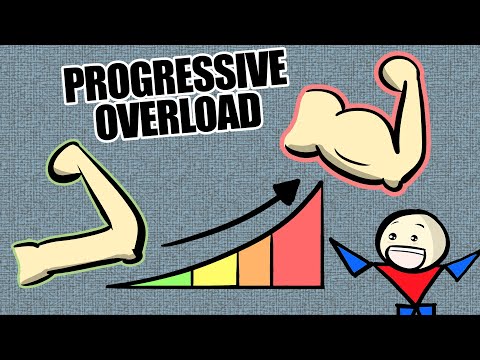
Related Video: "What EXACTLY Is Progressive Overload?" by PictureFit
Main Points
– Gradually increase intensity through progressive overload by increasing weight, adding sets or repetitions, and reducing rest time.
– Set SMART fitness goals to provide motivation and purpose to workouts.
– Track and measure progress through workout journals, measurements, performance benchmarks, and technology.
– Incorporate variety in workouts to prevent boredom, target different muscle groups, and prevent plateaus in fitness progress.
Understanding Progressive Overload

To maximize your fitness gains, it’s essential to continually challenge your muscles by gradually increasing the intensity of your workouts through progressive overload. Understanding progressive overload is crucial for achieving continuous improvement in your fitness journey.
This principle involves consistently pushing your body beyond its current limits to stimulate muscle growth and strength gains. Effective strategies for implementing progressive overload include increasing the weight lifted, adding more sets or repetitions, or reducing rest time between sets. By progressively overloading your muscles, you force them to adapt and grow stronger over time.
One effective strategy to implement progressive overload is to regularly track your workouts and performance. Keeping a workout journal or using a fitness app can help you monitor your progress and make informed decisions about when and how to increase the intensity of your workouts.
Additionally, it’s important to set realistic goals and gradually increase the intensity of your workouts to avoid injury and burnout. By understanding progressive overload and applying effective strategies, you can optimize your workout plan for continuous improvement and long-term fitness success.
Setting Clear Fitness Goals

Understanding progressive overload is crucial for achieving continuous improvement in your fitness journey. Setting clear fitness goals is the next step in optimizing your workout plan. Goal setting is the foundation of progress. When you establish specific, measurable, achievable, relevant, and time-bound (SMART) fitness goals, you give yourself something concrete to work towards.
This not only provides motivation but also gives your workouts purpose. Whether your goal is to run a 5K, deadlift a certain weight, or simply improve your overall health, having a clear target in mind will keep you focused and driven. Moreover, sharing your goals with others can provide the accountability and support you need to stay on track.
Whether it’s with a friend, personal trainer, or online community, having others check in on your progress, offer encouragement, and hold you accountable can be a game-changer. So, take some time to define your fitness goals, find the motivation behind them, and seek out the support and accountability you need to turn those goals into reality.
Tracking and Measuring Progress

Start by regularly tracking your workouts and measuring your progress to ensure that you’re on the right path towards achieving your fitness goals. Measuring improvement and tracking performance stats are crucial aspects of a progressive workout plan.
Here are five essential tips to help you effectively track and measure your progress:
– Keep a workout journal or use a fitness tracking app to record your exercises, sets, reps, and weights for each session.
– Take regular measurements of your body, including weight, body fat percentage, and specific body part measurements, to gauge physical changes over time.
– Use performance benchmarks such as timing your runs, tracking the number of push-ups or pull-ups you can do, or recording the amount of weight you can lift for certain exercises.
– Utilize technology like fitness trackers or heart rate monitors to monitor your workouts and ensure you’re challenging yourself appropriately.
– Take progress photos at regular intervals to visually document changes in your physique.
Incorporating Variety in Workouts

Incorporate variety into your workouts to keep your fitness routine engaging and effective. Incorporating flexibility into your workout plan is crucial for overall fitness and injury prevention. Adding different types of exercises such as yoga, Pilates, or stretching routines can enhance your flexibility, leading to improved performance in other workouts and daily activities.
Cross training benefits are immense when it comes to incorporating variety in your workouts. By engaging in activities that target different muscle groups, you can prevent overuse injuries and plateaus in your fitness progress. For example, if you primarily focus on running, incorporating cross-training activities like swimming or cycling can help improve your overall fitness while giving your running muscles a break.
Moreover, varying your workouts can prevent boredom and keep you motivated to stick to your fitness routine. It also challenges your body in new ways, leading to better results. Whether it’s trying a new fitness class, changing up your strength training routine, or exploring outdoor activities, incorporating variety won’t only make your workouts more enjoyable but also more effective in achieving your fitness goals.
Prioritizing Recovery and Rest

To maximize your workout results, it’s essential to prioritize adequate recovery and rest. The importance of recovery can’t be overstated, as it’s during rest that your body repairs and strengthens the muscles that have been worked during exercise.
Here are some key points to keep in mind when prioritizing recovery and rest:
– Quality Sleep: Aim for 7-9 hours of uninterrupted sleep each night to allow your body to fully rejuvenate and repair.
– Active Recovery: Incorporate light activities such as yoga, walking, or swimming on rest days to promote blood flow and aid in muscle recovery.
– Nutrition: Consume a balanced diet with adequate protein, healthy fats, and carbohydrates to support muscle repair and replenish energy stores.
– Hydration: Stay properly hydrated to support overall bodily functions and aid in the removal of toxins from the body.
– Listen to Your Body: Pay attention to signs of fatigue or overtraining, and be willing to adjust your workout schedule as needed to allow for adequate rest and recovery.
Prioritizing rest and rejuvenation is crucial for achieving optimal results and preventing injury in your progressive workout plan.
Adjusting Intensity and Volume

As you progress in your workout plan, it’s important to continually assess and adjust the intensity and volume of your exercises to ensure ongoing challenge and avoid plateaus.

Related Video 2: "Bodybuilding Simplifed: Progressive Overload" by trainer winny
Intensity management involves finding the right balance between pushing yourself and avoiding burnout. Gradually increasing the intensity of your workouts can help you continue to see progress and prevent your body from adapting to the exercises, which can lead to a plateau in your results. Incorporating techniques such as interval training, progressive overload, and varying the speed and resistance can help in managing intensity effectively.
Volume adjustment is another key aspect of a progressive workout plan. It involves manipulating the number of sets, reps, and exercises in your routine. As your fitness level improves, you may need to increase the volume to continue challenging your muscles. Conversely, there may be times when reducing the volume can be beneficial to prevent overtraining and allow for adequate recovery. Monitoring your body’s response to different volume levels is crucial in finding the right balance for your individual needs.
Adhering to Proper Form and Technique

Adjusting intensity and volume in your workout routine is crucial for progress; similarly, adhering to proper form and technique is essential to avoid injury and maximize the effectiveness of your exercises. Proper form and technique are fundamental for injury prevention and ensuring optimal muscle engagement. When executing exercises with proper form, you align your body correctly, allowing for efficient movement patterns and reducing the risk of strain or injury. Focusing on technique also ensures that you target the intended muscle groups, leading to improved performance and results.
Here are some key points to consider when it comes to adhering to proper form and technique:
– Pay attention to body alignment during each exercise to maintain proper form.
– Engage the targeted muscles intentionally to maximize the effectiveness of the movement.
– Concentrate on executing each exercise with precise technique to prevent injury and promote muscle engagement.
– Proper form and technique are crucial for improving exercise execution and overall performance.
– Regularly assess and adjust your technique to ensure continuous progress and minimize the risk of injury.
Seeking Professional Guidance and Support

Consider consulting with a certified fitness professional to receive personalized guidance and support tailored to your specific fitness goals and abilities. Professional advice can be invaluable in creating a customized workout plan that takes into account your current fitness level, any past injuries, and your long-term objectives. A fitness professional can assess your strengths and weaknesses, and design a plan that maximizes your progress while minimizing the risk of injury. They can also provide guidance on proper form and technique, ensuring that you get the most out of your workouts while avoiding potential pitfalls.
In addition to professional guidance, seeking support from a community of like-minded individuals can be incredibly beneficial. Whether it’s through group fitness classes, online forums, or workout buddies, having a supportive community can provide motivation, encouragement, and accountability. Accountability partners can help you stay on track with your workouts and make it easier to stick to your fitness goals. They can offer a sense of camaraderie and understanding, making your fitness journey more enjoyable and sustainable.

Related Video 3: "How to Build Your Weekly Workout Program | Jeff Cavaliere & Dr. Andrew Huberman" by Huberman Lab Clips
Frequently Asked Questions
Can a Progressive Workout Plan Help With Specific Health Conditions, Such as Diabetes or High Blood Pressure?
A progressive workout plan can do wonders for health conditions like diabetes or high blood pressure. Exercise modifications tailored to your needs can make a significant impact. The health benefits are immense, but medical supervision is vital.With proper guidance, exercise adherence becomes easier, and you'll see positive changes in your overall health. Stick to the plan, and you'll be amazed at the difference it makes in managing your specific health conditions.
How Can a Progressive Workout Plan Be Adjusted for Individuals With Physical Disabilities or Limitations?
To adjust a progressive workout plan for individuals with physical disabilities or limitations, incorporate adaptive exercises that cater to their specific needs. Make the fitness routine inclusive by modifying exercises and equipment as necessary.Consult a professional to create a personalized plan that ensures safety and effectiveness. By prioritizing inclusivity and adaptability, individuals with physical disabilities or limitations can still engage in a progressive workout plan tailored to their unique circumstances.


