

When you step into a gym, the sight of athletes dusting their hands with white powder is almost synonymous with the culture. But have you ever wondered what exactly gym chalk is made of?
It’s more than just a tool to keep your hands dry; it’s a crucial aid for enhancing grip and preventing slips during intense workouts. Understanding the composition and production process of gym chalk can shed light on its effectiveness and environmental impact.
So, why is gym chalk so essential, and what goes into its making that makes it a staple in every athlete’s gym bag?
Table of Contents
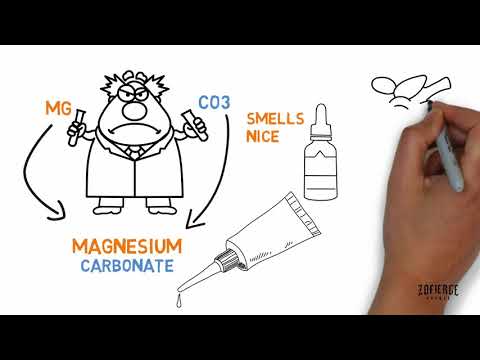
Related Video: "What is gym chalk made of?" by Zofierce Sports
Main Points
– Gym chalk is primarily made of magnesium carbonate, which enhances grip and friction during physical activities.
– The manufacturing process involves sourcing high-quality raw materials, mixing magnesium carbonate with other ingredients, and ensuring the right texture and consistency.
– Gym chalk provides numerous benefits, including improved grip, reduced risk of slipping and injuries, and minimized hand sweat during intense workouts.
– Environmental considerations are important when choosing gym chalk, and options with eco-friendly production methods and packaging should be considered.
Magnesium Carbonate

You can find magnesium carbonate in gym chalk, as it’s the primary ingredient that provides the essential friction and grip for your hands during weightlifting and other activities. This compound is renowned for its ability to enhance grip, which is crucial for athletes and fitness enthusiasts.
Magnesium carbonate’s role in athletic performance can’t be understated. By using gym chalk containing magnesium carbonate, athletes can significantly improve their grip, especially in activities that involve lifting, climbing, or gymnastics. The compound works by absorbing sweat and moisture from your hands, creating a dry and rough surface that enhances friction between your skin and the equipment. This ultimately leads to better control and stability, allowing you to perform at your best while minimizing the risk of slipping or losing your grip.
In addition to its grip enhancement properties, magnesium carbonate also provides a sense of confidence and security, enabling you to focus on your movements and techniques without worrying about your hands slipping.
Manufacturing Process

Magnesium carbonate, the essential compound for enhancing grip in gym chalk, is a key component in the manufacturing process, facilitating the creation of a product that provides athletes and fitness enthusiasts with the necessary friction and stability for their activities. The manufacturing process begins with sourcing high-quality raw materials, including magnesium carbonate, which is then mixed with other essential ingredients such as drying agents and binders. This mixture is carefully processed to ensure the right texture and consistency, promoting optimal grip and performance. Quality control measures are implemented at every stage of the manufacturing process to guarantee that the gym chalk meets the highest standards.
The table below provides an overview of the key stages in the manufacturing process, emphasizing the importance of quality control and the subsequent distribution channels.
| Stage | Description | Quality Control |
|---|---|---|
| Raw Material Sourcing | Procuring high-quality magnesium carbonate and additives | Inspecting for purity and quality |
| Mixing and Processing | Blending raw materials to achieve the desired texture | Monitoring consistency and texture |
| Quality Assurance | Testing the final product for optimal performance | Ensuring proper grip and effectiveness |
| Packaging | Packaging the gym chalk for distribution | Checking for proper sealing and labeling |
| Distribution | Shipping the product to retailers and end-users | Verifying proper handling and timely delivery |
The final product is then distributed through various channels to ensure accessibility for athletes and fitness enthusiasts worldwide.
Benefits of Gym Chalk

Gym chalk offers significant benefits for athletes and fitness enthusiasts, enhancing grip and stability during physical activities. By improving grip, gym chalk allows you to maintain a strong hold on equipment such as barbells, dumbbells, and pull-up bars, reducing the risk of slipping and potential injuries.
Additionally, the use of gym chalk aids in reducing hand sweat, which can be particularly beneficial during intense workouts or in hot and humid environments. As a result, you can perform exercises with confidence and focus, knowing that your hands are less likely to become slippery due to sweat. This not only improves your overall performance but also minimizes the need for constant towel-drying or grip readjustments, allowing you to stay fully engaged in your workout routine.
The combination of improved grip and reduced hand sweat provided by gym chalk ultimately contributes to a more effective and safer workout experience, making it a valuable tool for anyone looking to enhance their athletic performance and fitness journey.
Environmental Impact

Enhancing your athletic performance with gym chalk not only impacts your grip and stability but also has environmental considerations to be mindful of. When it comes to environmental sustainability, it’s important to consider the production and disposal of gym chalk. Some manufacturers are making strides towards reducing their carbon footprint by using more eco-friendly production methods and packaging. However, the disposal of gym chalk can still pose environmental challenges, especially if it contains harmful chemicals or non-biodegradable materials.
To help you make an informed decision about the environmental impact of the gym chalk you use, here’s a comparison of the environmental sustainability and carbon footprint of common gym chalk types:
| Gym Chalk Type | Environmental Sustainability | Carbon Footprint |
| Magnesium Carbonate | High | Low |
| Calcium Carbonate | Medium | Medium |
| Liquid Chalk | Low | Low |
Considering these factors can guide you towards choosing a gym chalk that aligns with your environmental values and supports sustainability efforts. Keep in mind that proper disposal and recycling of gym chalk can also contribute to reducing its environmental impact.

Related Video 2: "how to make gym chalk block at home ||tutorial||requested video description (FOR ASMR)" by Experiment Bindu asmr
Choosing the Right Gym Chalk

When selecting the right gym chalk for your needs, consider the specific activities and grip requirements you have to ensure optimal performance. Chalk quality plays a crucial role in enhancing your grip and preventing slipping during workouts. Look for high-quality magnesium carbonate chalk, which offers excellent moisture absorption and provides a reliable grip.
Proper application is also key to getting the most out of your gym chalk. Make sure to evenly coat your hands or the equipment with a thin layer of chalk to achieve the best results. Additionally, consider the texture of the chalk and how it feels on your hands. Some chalks have a finer texture, which can feel smoother and less abrasive, while others have a coarser texture for a stronger grip.
Ultimately, the right gym chalk for you’ll depend on your personal preferences and the specific activities you engage in. Experiment with different options to find the chalk that best suits your needs and enhances your performance.

Related Video 3: "Tutorial:-How to make Gym Chalk at home with Result |For asmr|" by Sarang Asmr
Frequently Asked Questions
Can Gym Chalk Be Used for Activities Other Than Weightlifting, Such as Rock Climbing or Gymnastics?
Looking to level up your grip game?Gym chalk is a versatile tool, perfect for rock climbing, gymnastics, pole dancing, CrossFit, yoga, aerial silks, bouldering, weightlifting, powerlifting, and calisthenics.Its moisture-wicking properties and friction-boosting abilities make it ideal for enhancing grip and preventing slipping during various activities.Whether you're tackling a tough boulder problem or perfecting your deadlift form, gym chalk has got your back.
Are There Any Potential Health Risks Associated With Inhaling or Coming Into Contact With Gym Chalk?
Inhaling or touching gym chalk can pose potential health risks. Proper ventilation when using it can minimize dust inhalation. Skin contact may cause dryness or irritation.If inhaled, chalk dust can irritate the respiratory system. To reduce risks, consider using liquid chalk or wearing a mask when applying loose chalk.It's important to be mindful of these potential health concerns and take appropriate precautions for safe use.
How Long Does Gym Chalk Typically Last Before Needing to Be Replaced?
Gym chalk typically lasts for a few months, depending on usage and storage. Properly sealed and stored in a cool, dry place, it can maintain its effectiveness for a longer duration. Regularly check for clumping or diminished texture, as these indicate the need for replacement.Using fresh chalk is essential for optimal grip and safety during workouts. Keep an eye on the chalk's condition to ensure you're benefiting from its full potential.


