

When it comes to pull-ups, you’re probably familiar with the phrase ‘feeling the burn.’ But have you ever stopped to think about which specific muscles are doing the heavy lifting during this exercise?
The pull-up is not just an upper body workout; it’s a comprehensive strength builder that targets a variety of key muscles. Understanding the intricate network of muscles involved in a pull-up can provide valuable insight into the overall benefits of this classic exercise.
So, let’s dive into the fascinating world of pull-ups and explore the nine key muscles that come into play when you tackle this challenging movement.
Table of Contents

Related Video: "Build A STRONG & Muscular Back With Pull Ups (TOP SECRET METHOD)" by Squat University
Main Points
– The primary muscles targeted during pullups are the latissimus dorsi and biceps brachii, which contribute to a wider back and enhanced pulling strength.
– Stabilization and control during pullups involve the trapezius and rhomboids, which help maintain proper posture and prevent swinging or using momentum.
– Supporting muscles in the pullup movement include the deltoids and pectoralis major, providing stability, strength, and control throughout the exercise.
– Strengthening the brachialis and forearm muscles can improve grip strength, arm development, and overall upper body strength and endurance during pullups.
Latissimus Dorsi

To engage your latissimus dorsi effectively during pullups, focus on initiating the movement with a strong and controlled pull from your upper back muscles. This powerful muscle group, commonly known as the lats, is the primary target during pullups.
As you pull your body upward, your latissimus dorsi plays a crucial role in the movement, providing the strength to lift your body weight. The latissimus dorsi is the largest muscle in your upper body and is responsible for the width and V-shape appearance of your back.
During the upward phase of the pullup, your latissimus dorsi contracts, pulling your arms down and back, while also drawing your shoulder blades toward your spine. This action engages not only your lats but also the surrounding muscles of the upper back, including the rhomboids and trapezius. This coordinated effort helps stabilize your shoulders and maintain proper posture throughout the pullup movement.
Incorporating pullups into your workout routine effectively targets and strengthens the latissimus dorsi, contributing to overall upper body strength and development. By focusing on engaging and controlling the movement with your upper back muscles, you can maximize the benefits of this challenging yet rewarding exercise.
Biceps Brachii

Now let’s talk about the Biceps Brachii and their role in pullups.
Your biceps play a significant part in the pulling motion during this exercise.
Understanding how the biceps function and the intensity of the workout they receive can help you maximize your pullup performance.
Biceps Function in Pullups
The biceps brachii muscles play a crucial role in pullups, assisting in the movement by flexing your elbows and providing stability. When you perform a pullup, your biceps work dynamically to bend your elbows, allowing you to lift your body upward.
This action engages the short head and long head of the biceps brachii, contributing significantly to the pulling motion. Additionally, the biceps help to stabilize your shoulders during the exercise, preventing excessive swinging or jerking movements.
By actively engaging the biceps throughout the pullup motion, you not only target the primary muscles such as the latissimus dorsi and the trapezius but also enhance the overall effectiveness of the exercise.
Understanding the biceps function in pullups provides insight into what muscles do pullups workout and the importance of incorporating biceps activation in your pull-up routine.
Biceps Workout Intensity
The intensity of the biceps brachii workout can be optimized by focusing on full range of motion and maintaining proper form during pullup exercises. When performing pullups, the biceps brachii, along with other muscles, are engaged to lift your body weight. To maximize the biceps workout, ensure that you fully extend your arms at the bottom of the movement and pull yourself up until your chin clears the bar. This ensures that the biceps brachii are fully engaged throughout the exercise. Additionally, avoid swinging or using momentum to lift yourself, as this can reduce the focus on the biceps and lead to potential injury. By maintaining control and executing the pullup with proper form, you can effectively target and intensify the workout for your biceps.
| Pullup Form Tips | |
|---|---|
| Full Range of Motion | Maintain Proper Form |
| Avoid Swinging | Control the Movement |
Trapezius

Engage your trapezius muscles when performing pullups by focusing on pulling your shoulder blades down and back. The trapezius is a large muscle that extends from the base of your skull to the middle of your back and across to your shoulder blades. It plays a crucial role in stabilizing and controlling the movement of your shoulder blades during pullups.
Here are some key points to keep in mind when targeting your trapezius muscles during pullups:
– Focus on initiating the movement from your upper back, not just your arms, to ensure proper engagement of the trapezius.
– Keep your shoulders relaxed and avoid shrugging them up towards your ears, as this can limit the activation of the trapezius.
– Squeeze your shoulder blades together at the top of the pullup movement to fully engage the trapezius muscles.
– Gradually increase the range of motion in your shoulder blades during the pullup to challenge and strengthen the trapezius muscle fibers.
Rhomboids

To activate your rhomboids during pullups, focus on squeezing your shoulder blades together at the top of the movement. The rhomboids, which are located between your shoulder blades, play a crucial role in stabilizing and retracting the scapulae during pullups. As you pull yourself up, concentrate on pulling your elbows down and back while driving your shoulder blades together. This action engages the rhomboids and reinforces proper form.
Additionally, maintaining a straight posture throughout the pullup motion is essential for effectively targeting the rhomboids. Avoid swinging or using momentum to lift yourself, as this can reduce the engagement of the rhomboids and shift the focus to other muscles. Keep your core engaged and your body in a straight line from head to heels to maximize the involvement of the rhomboids.
Deltoids

As you focus on squeezing your shoulder blades together to activate your rhomboids during pullups, you also engage your deltoids, the muscles responsible for raising your arms to the sides and front of your body. The deltoids, often referred to as the shoulder muscles, play a crucial role in the execution of pullups, providing stability and strength throughout the movement.
When performing pullups, your deltoids come into play in the following ways:
– Anterior Deltoid: This front part of the deltoid muscle is heavily involved in the initial phase of the pullup, helping to lift your body as you pull yourself upward.
– Lateral Deltoid: The lateral deltoid supports the movement of your arms as you pull yourself up, aiding in the abduction of the shoulder and providing essential strength.
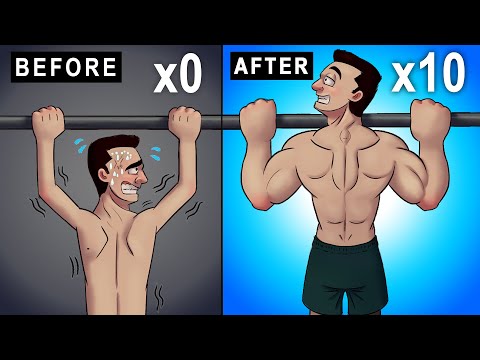
Related Video 2: "Go from 0 to 10 Pull-Ups FAST" by Gravity Transformation - Fat Loss Experts
– Posterior Deltoid: As you lower your body back down, the posterior deltoid is engaged, controlling the descent and providing stability to your shoulders.
– Overall Stability: The deltoids work in conjunction with the other muscles in your upper body to maintain stability and control throughout the entire pullup motion.
Understanding the role of the deltoids in pullups can help you focus on proper form and maximize the benefits of this effective exercise.
Pectoralis Major

The pectoralis major, commonly known as the chest muscle, plays a significant role in the movement of your arms during pullups, providing essential strength and support as you pull yourself upward. This powerful muscle is crucial for executing a successful pullup, as it is responsible for the horizontal adduction and flexion of the shoulder joint, both of which are fundamental movements during the exercise. Engaging your pectoralis major not only enhances your ability to lift your body weight but also contributes to overall upper body stability and control.
To better understand the importance of the pectoralis major in pullups, let’s take a closer look at the key functions it performs during this exercise:
| Pectoralis Major Functions | Benefits |
| Horizontal adduction of the shoulder joint | Provides the strength needed to bring your arms closer to the midline of your body during the upward phase of the pullup |
| Flexion of the shoulder joint | Assists in raising your arms in front of your body, supporting the lifting motion during pullups |
Brachialis

The brachialis, a key muscle located underneath the biceps, is responsible for flexing your elbow during the pullup exercise, contributing to the overall strength and efficiency of the movement. When you perform a pullup, the brachialis engages to stabilize and support your elbow joint, allowing for a more controlled and powerful upward motion.
This muscle also plays a crucial role in preventing excessive strain on the biceps, helping to distribute the workload more evenly across the upper arm muscles. Additionally, a well-developed brachialis can enhance your overall arm strength and contribute to a more balanced and symmetrical physique.
Strengthening the brachialis can also help improve your grip strength, which is essential for maintaining a secure hold on the pullup bar throughout the exercise. Engaging and targeting the brachialis during your pullup routine can lead to more comprehensive upper arm development, ultimately enhancing your overall physical performance.
Forearm Muscles

Engage your forearm muscles to maintain a secure grip on the pullup bar throughout the exercise, enhancing your overall upper arm development. The forearm muscles, including the flexor digitorum superficialis, flexor carpi radialis, and brachioradialis, play a crucial role in stabilizing your wrists and elbows during pullups.
As you pull yourself up, your forearm muscles contract to support the weight of your body and assist the primary movers, such as the latissimus dorsi and biceps, in executing the movement.
Furthermore, the engagement of your forearm muscles contributes to improved grip strength, which is essential for performing multiple pullups with proper form. Strong forearms not only aid in your ability to hold onto the bar securely but also help prevent early fatigue in the hands and wrists, allowing you to maximize your pullup potential.

Related Video 3: "Virtually ALL Back Muscles in 1 Pull Up: The Gironda Pull Up" by Mover's Odyssey
Frequently Asked Questions
What Are Some Common Mistakes People Make When Performing Pullups That Can Lead to Muscle Imbalances or Injuries in the Latissimus Dorsi, Biceps Brachii, and Other Key Muscles?
When performing pullups, you can avoid muscle imbalances and injuries by maintaining proper form. Common mistakes include using momentum to swing yourself up, which can strain your muscles. Instead, focus on controlled movements and engage your latissimus dorsi and biceps brachii.Avoid arching your back excessively or flaring your elbows out. Strengthening these muscles with correct form will help prevent imbalances and reduce the risk of injury.
Are There Any Specific Variations of Pullups That Target the Trapezius, Rhomboids, and Deltoids More Effectively Than Traditional Pullups?
To target the trapezius, rhomboids, and deltoids more effectively than traditional pullups, you can try wide-grip pullups, which engage these muscles to a greater extent.Another option is to incorporate commando pullups, where you grip the bar with one hand facing you and the other facing away, adding emphasis to the trapezius and deltoids.These variations can help you specifically target the muscles you're interested in.


