

When it comes to jogging, your body acts like a well-oiled machine, engaging multiple key muscles to propel you forward and keep you going.
Have you ever wondered which specific muscles are being targeted as you pound the pavement or hit the trails?
Understanding the six key muscles that jogging works out can not only help you improve your running performance but also contribute to overall strength and endurance.
Table of Contents

Related Video: "The MOST USED MUSCLE in running" by Safe Motions
Main Points
– Strong hip flexors are important for running as they improve knee lift, stride length, and contribute to power and speed.
– Jogging targets various muscles including the quadriceps, hamstrings, glutes, calves, and core muscles.
– Jogging has numerous benefits for overall fitness including improved cardiovascular health, weight management, bone strength, mood enhancement, and better sleep quality.
– Common injuries associated with jogging include shin splints, runner’s knee, Achilles tendinitis, plantar fasciitis, and stress fractures.
Quadriceps

Jogging primarily works out your quadriceps, the group of muscles located on the front of your thighs. When you jog, these muscles are constantly engaged to propel you forward and support your body weight. The quadriceps, consisting of the rectus femoris, vastus lateralis, vastus medialis, and vastus intermedius, are essential for knee extension and play a crucial role in stabilizing your knees during the repetitive impact of running. As you push off the ground with each stride, your quadriceps contract to straighten your knees, generating the power needed for forward motion.
In addition to the quadriceps, jogging also engages the hamstrings, calves, and glutes, contributing to a full lower body workout. However, the quadriceps are particularly vital for maintaining a strong and balanced lower body. Regular jogging can help strengthen and tone these muscles, leading to improved stability and reduced risk of injury.
Hamstrings

When you jog, your hamstrings play a crucial role in propelling you forward and stabilizing your legs.
Strengthening your hamstrings through jogging can help improve your overall running performance and reduce the risk of injury.
Understanding how to properly engage and stretch your hamstrings can also prevent strains and tightness in this muscle group.
Function of Hamstrings
To maximize your jogging performance, your hamstrings play a crucial role in propelling you forward and providing stability to your lower body. As you push off the ground with each stride, your hamstrings contract to extend your hip and flex your knee, generating the power needed to propel you forward.
Additionally, they work in coordination with your quadriceps to stabilize the knee joint during the repetitive motion of jogging, preventing any unnecessary strain or injury. The hamstrings also assist in controlling the forward swing of your lower leg, helping to maintain a smooth and efficient running form.
Strengthening Hamstrings
How can you effectively strengthen your hamstrings to improve your jogging performance?
Incorporating hamstring-strengthening exercises into your workout routine is essential. Exercises like deadlifts, hamstring curls, and lunges specifically target the hamstrings, helping to build strength and endurance.
Deadlifts engage the hamstring muscles along with the glutes and lower back, making them a great compound exercise for overall lower body strength.
Hamstring curls, whether using machines or resistance bands, isolate the hamstring muscles, allowing for targeted strength building.
Lunges, especially when performed with a longer stride, activate the hamstrings to a significant extent.
Preventing Hamstring Injuries
Regularly incorporating specific stretches and strengthening exercises into your routine can help prevent hamstring injuries while jogging. To keep your hamstrings healthy and strong, follow these tips:
– Dynamic Warm-Up: Begin your jogging session with dynamic movements like leg swings and high knees to prepare your hamstrings for the workout.
– Balanced Strength Training: Incorporate exercises that target both the quadriceps and hamstrings, such as lunges and deadlifts, to maintain muscle balance and reduce the risk of injury.
– Regular Stretching: Perform regular static stretches for the hamstrings after your jogging session to improve flexibility and prevent tightness that can lead to injuries.
Glutes

Curious about which muscles jogging targets? Well, the glutes are definitely one of them! When you jog, your gluteus maximus, medius, and minimus all come into play. These muscles work together to extend, abduct, and rotate your hips, providing the power and stability needed for each stride.
As you push off the ground, your glutes contract to propel you forward, and they also help to control the movement of your pelvis, preventing excessive swaying from side to side.
Engaging your glutes during jogging not only contributes to your forward propulsion but also helps to maintain proper alignment and reduce the risk of injury. Strong glute muscles can support the lower back, hips, and knees, which is crucial for preventing imbalances and overuse injuries.
Additionally, well-developed glutes can improve your overall running performance, as they contribute to better form and efficiency.
Calves

When jogging, your calves play a crucial role in propelling you forward and absorbing the impact of each stride, building on the lower body strength gained from working the glutes. The calves are essential for the push-off phase of each stride, providing the power needed to move your body forward.
Additionally, they act as shock absorbers, dampening the impact on your legs and lower back with each step. Here’s why focusing on your calves during jogging is important:
– Improved Running Efficiency: Strong calves help improve your running efficiency by providing the necessary propulsion for each stride, allowing you to cover more distance with less effort.
– Injury Prevention: Developing strong calves can help reduce the risk of injuries such as shin splints and Achilles tendonitis, as they provide better support and stability for the lower leg.
– Enhanced Balance and Stability: Well-developed calf muscles contribute to better balance and stability, especially on uneven terrain, which is crucial for injury prevention and overall performance.
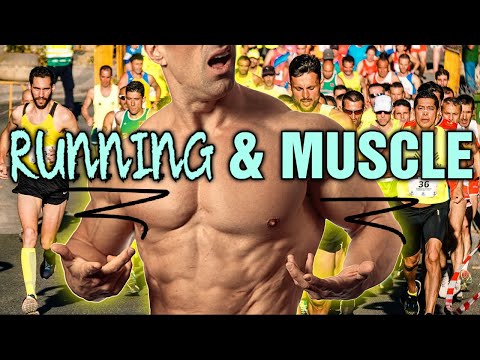
Related Video 2: "How To Build Muscle While Running?" by Greg Doucette
Core Muscles

When you jog, engaging your core muscles is essential for maintaining proper posture and stability. This helps to strengthen your abs and lower back, providing a solid foundation for your body’s movement.
Engage Your Core
Engage your core while jogging to strengthen and stabilize your midsection, improving your overall running form and posture. By focusing on your core muscles, you can enhance your jogging experience in several ways:
– Improved Stability: Engaging your core helps maintain stability and balance as you run, reducing the risk of injury.
– Enhanced Endurance: A strong core allows for better breathing and oxygen flow, increasing your endurance during longer runs.
– Better Efficiency: Engaging your core promotes better running form, leading to more efficient movement and reduced energy expenditure.
Strengthen Your Abs
To strengthen your abs and core muscles while jogging, focus on maintaining a stable and engaged midsection throughout your run. Engaging your abs not only improves your running form but also helps prevent injury and enhances overall performance. As you jog, imagine pulling your belly button towards your spine to engage your deep core muscles. This will help stabilize your pelvis and maintain proper alignment, reducing the risk of lower back pain.
Additionally, incorporating exercises like planks, Russian twists, and leg raises into your cross-training routine can further target and strengthen your abs. A strong core also improves balance and stability, allowing for more efficient and powerful strides while jogging.
Hip Flexors

Strengthening your hip flexors through jogging is crucial for maintaining proper running form and preventing injury. Your hip flexors are a group of muscles located at the top of your thighs and pelvis. When you jog, these muscles play a vital role in lifting your knees and legs, allowing for a smooth and efficient running stride.
Here’s why focusing on your hip flexors while jogging is essential:
– Improved Running Efficiency: Strong hip flexors help you lift your knees higher, leading to a longer stride and improved running efficiency.
– Injury Prevention: By strengthening your hip flexors, you can reduce the risk of injury, as these muscles support your lower back and pelvis, promoting stability and proper alignment.
- Enhanced Performance: Engaging and strengthening your hip flexors can contribute to enhanced running performance, as these muscles are crucial for generating power and speed during each stride.

Related Video 3: "What Happens To Your Body When You Run 5k?" by The Running Channel
Frequently Asked Questions
How Does Jogging Impact the Flexibility and Range of Motion in the Hip Flexors?
Jogging can greatly impact the flexibility and range of motion in your hip flexors. It helps to stretch and strengthen these muscles, which can lead to improved flexibility and increased range of motion in your hips.Regular jogging can also help prevent tightness and stiffness in your hip flexors, allowing for better overall mobility and reduced risk of injury.Remember to stretch before and after your runs to maintain flexibility and range of motion.
Can Jogging Help to Strengthen the Stabilizing Muscles in the Core?
By jogging, you'll definitely strengthen your stabilizing core muscles. The repetitive motion engages your core to maintain balance and stability, which in turn, helps the core muscles to become stronger over time. This is like giving your core a daily workout, making it more resilient and sturdy.


