

When it comes to taking your workouts to the next level, using a workout belt can be a beneficial boost. But, beware – using it improperly can lead to potential harm. That’s where the importance of learning the proper techniques comes in.
Whether you’re a seasoned gym-goer or just starting out, mastering the art of using a workout belt can make a significant difference in your fitness journey. So, buckle up and get ready to discover how to make the most of this fitness accessory.
Table of Contents

Related Video: "Complete Guide to Lifting Belts (& Why I Wear Mine So High)" by eugene teo
Main Points
– Choose a workout belt that fits snugly and provides firm support without causing discomfort.
– Position the workout belt just above your hip bones to support your lower back during exercises.
– Focus on maintaining proper form, keeping your back straight, and engaging your core muscles while wearing the workout belt.
– Proper breathing techniques while wearing the workout belt enhance its effectiveness and support your core muscles.
Choosing the Right Size

To ensure proper support and effectiveness, it’s crucial to select a workout belt that fits snugly around your waist without being too tight or too loose. Measuring correctly is the key to finding the right size. Use a measuring tape to determine the circumference of your waist at the level of your belly button. Once you have the measurement, refer to the sizing chart provided by the manufacturer of the workout belt.
Avoiding discomfort is essential when choosing the right size. A belt that’s too tight can restrict your movement and cause discomfort, while a belt that’s too loose may not provide adequate support during heavy lifts. When trying on the belt, ensure that it feels firm and supportive without causing any pain or pinching.
Positioning the Belt Correctly

For optimal support and effectiveness, position the workout belt snugly around your waist, ensuring it sits just above your hip bones. Proper support is essential for maximizing the fitness benefits of using a workout belt. Here are four key points to consider when positioning your workout belt:
1. Snug Fit: Ensure the belt fits snugly around your waist without being too tight or too loose. This will provide the proper support to your lower back and core muscles during heavy lifting or intense workouts.
2. Position Above Hip Bones: Position the belt just above your hip bones to support your lower back and prevent excessive stress on the spine during exercises like squats, deadlifts, and overhead presses.
3. Maintain Range of Motion: While the belt should be snug, it shouldn’t restrict your range of motion. It should allow you to breathe comfortably and engage your core muscles effectively.
4. Check for Comfort: The belt should feel comfortable and supportive without causing any discomfort or pain. If it digs into your skin or causes discomfort, readjust the positioning until it feels right.
Adjusting the Tightness

Once you have positioned the workout belt just above your hip bones, ensure that it’s adjusted to achieve a snug yet comfortable fit around your waist.
Proper technique in adjusting the tightness of your workout belt is essential for reaping the benefits of its use. To begin, fasten the belt securely, making sure it’s snug but not overly constricting. You should be able to insert a couple of fingers between the belt and your waist without it feeling too loose or too tight. This ensures that you have the right balance of support and freedom of movement.
When adjusting the tightness, be mindful of any discomfort or restriction in breathing. If you experience any of these, it’s a sign that the belt may be too tight. On the other hand, if the belt feels loose and fails to provide ample support, it may not be effective.
Finding the ideal tightness is crucial for maximizing the benefits of using a workout belt during your exercise routine.
Using Proper Form

Ensure you maintain proper posture and alignment throughout your workout while using the workout belt. Using proper form is essential to maximize the benefits of the workout belt and avoid potential injuries. Here are some tips to help you use proper form while wearing a workout belt:
1. Improving posture: Focus on keeping your back straight and shoulders back while wearing the workout belt. Engage your core muscles to support your spine and maintain a neutral spine position during exercises.
2. Avoiding injury: Pay attention to your body mechanics and avoid excessive arching or rounding of the back. Keep your movements controlled and smooth, and refrain from using momentum to lift weights while wearing the belt.
3. Proper breathing: Remember to breathe properly during exercises. Inhale deeply before starting the movement and exhale during the exertion phase. This can help stabilize your core and protect your spine.
4. Maintaining balance: Whether you’re lifting weights or performing bodyweight exercises, ensure that your movements are balanced and symmetrical. This helps distribute the load evenly and reduces the risk of strain or injury.
Breathing Techniques

To optimize the benefits of the workout belt, focus on incorporating proper breathing techniques into your routine, allowing you to stabilize your core and protect your spine while engaging in various exercises.
Proper breathing plays a crucial role in enhancing the effectiveness of your workouts while wearing a workout belt. When you engage in exercises such as squats, deadlifts, or overhead presses, it’s essential to synchronize your breathing with your movements.
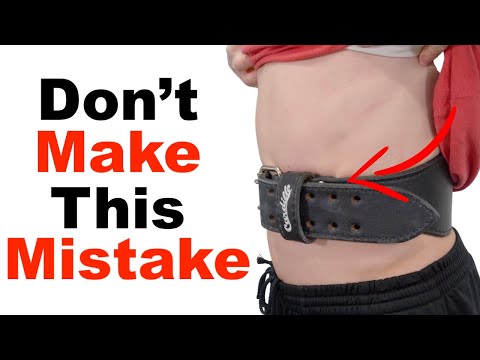
Related Video 2: "Stop Wearing Your Weightlifting Belt Like THIS (Do It Correctly!)" by Squat University
By inhaling deeply before starting the exercise and exhaling during the exertion phase, you can create intra-abdominal pressure, which stabilizes your core and supports your lower back. This technique not only maximizes the benefits of the workout belt by providing additional support to your core and spine but also improves overall workout performance.
Additionally, practicing proper breathing techniques can help prevent dizziness or lightheadedness during intense exercises. By consciously focusing on your breath, you can maintain a steady flow of oxygen to your muscles, aiding in endurance and strength during your workout sessions.
Mastering these breathing techniques will significantly enhance the effectiveness of your workout belt, ensuring a safer and more efficient fitness routine.
Understanding Limitations

Understanding your body’s limitations is essential for using a workout belt safely and effectively. Recognizing restrictions and considering safety will help you make the most of your workouts while minimizing the risk of injury. Here are some key points to consider:
1. Know Your Strengths and Weaknesses: Be aware of your physical capabilities and any areas where you may be more prone to injury. Understanding your body’s limitations will guide you in using the workout belt to provide the necessary support without overexerting yourself.
2. Consult with a Professional: If you have any existing medical conditions or concerns about how to safely integrate a workout belt into your fitness routine, seek advice from a healthcare professional or a certified fitness trainer. They can provide personalized recommendations based on your individual needs.
3. Gradual Progression: When incorporating a workout belt, start with lighter weights and gradually increase the intensity. This approach allows your body to adapt and ensures that you aren’t pushing beyond your limits too quickly.
- Listen to Your Body: Pay attention to any discomfort or pain while using the workout belt. If you experience any unusual sensations, stop and reassess your approach to ensure that you’re using the equipment safely and within your physical capabilities.

Related Video 3: "Loop (Resistance) Band Exercises for Beginners" by Vive Health
Frequently Asked Questions
Can I Wear a Workout Belt All Day for Extra Support, or Is It Only Meant for Use During Exercise?
You can wear a workout belt all day for extra support, but it's best to use it only during exercise.Wearing the belt continuously may affect your natural posture support.It's specifically designed to provide support and stability during weightlifting, especially for squats.Using it all day may lead to reliance on the belt for core stability, which can weaken your core muscles over time.
Are There Any Specific Exercises Where Using a Workout Belt Is Not Recommended?
When doing exercises, it's important to know that using a workout belt mightn't be recommended for all activities. Certain exercises, like overhead presses or deadlifts, may increase injury risk when using a belt.Long term, relying on a belt for support during exercises can impact your core strength. It's best to use a workout belt sparingly and focus on building your core stability through proper form and targeted exercises.


