

Feeling the burn of a challenging workout can be invigorating, but have you ever considered that spending two hours in the gym might be too much? You push yourself to the limit, striving for progress, yet something just doesn’t feel quite right. Your body may be trying to tell you something, and it’s important to pay attention.
As you strive for your fitness goals, it’s crucial to recognize the signs that your body may be sending you, indicating that perhaps your extended gym sessions could be doing more harm than good.
Table of Contents

Related Video: "Is 2 hours too long in the gym?" by Team3DMJ
Main Points
– Decreased performance and lingering fatigue are signs that your body may be overtrained and in need of rest and recovery.
– Increased restlessness and disrupted sleep patterns after workouts indicate that your exercise routine may be too intense and impacting your overall well-being.
– Persistent fatigue, aches, and pains during or after exercise are warning signs that should not be ignored, as they can lead to more serious injuries.
– Scaling back workout intensity, incorporating more rest days, and seeking professional advice if pain persists are important steps to prevent overexercising and promote optimal physical and mental health.
Decreased Performance

If you find yourself struggling to maintain your usual level of performance during workouts, it could be a sign of overexercising. Pushing yourself too hard for long periods without adequate rest can lead to decreased performance.
Your body needs time to recover and repair itself. If you’re spending hours at the gym and noticing that your strength, speed, or endurance isn’t where it used to be, it may be time to reassess your workout routine.
Overtraining can lead to fatigue, decreased motivation, and even injury. It’s important to listen to your body and give it the rest it needs to perform at its best.
Lingering Fatigue

Lingering fatigue after your workouts can be a sign that you may be overexercising. It’s normal to feel some fatigue after a tough workout, but if you find that you’re constantly feeling drained and worn out even after adequate rest, it might be a red flag.
Overtraining can lead to excessive fatigue as your body struggles to recover from the constant strain. This can manifest as feeling tired and sluggish throughout the day, even when you haven’t engaged in any physical activity. If you notice that your energy levels are consistently low and you’re struggling to complete your workouts with the same intensity as before, it could be a sign that your body is overstressed.
Additionally, lingering fatigue can impact your mental clarity, mood, and motivation, making it harder to stay committed to your exercise routine. Pay attention to your body’s signals and consider scaling back your workout intensity or incorporating more rest days to allow for proper recovery.
Increased Restlessness

You may notice that you have trouble settling down and relaxing, even after a workout. This increased restlessness can lead to disrupted sleep patterns, leaving you feeling fatigued and unable to fully recharge.
It’s important to recognize these signs as potential indicators of overexercising and take steps to adjust your routine accordingly.
Disrupted Sleep Patterns
Feeling restless during the night can be a sign of overexercising. If you find yourself tossing and turning after a strenuous workout, it could indicate that your exercise routine is impacting your sleep quality.
Overtraining can lead to disrupted sleep patterns, causing increased restlessness and difficulty falling asleep. Your body needs time to recover, and excessive exercise can disrupt the balance, leading to sleep disturbances.
It’s important to listen to your body and recognize the signs of overexercising, as it can have a significant impact on your overall well-being. If you notice that your sleep patterns have become irregular and restless after intense workouts, it may be time to reevaluate your exercise regimen and ensure you’re allowing your body sufficient time to rest and recover.
Persistent Fatigue
After experiencing disrupted sleep patterns due to overexercising, it’s important to be aware of persistent fatigue, which can manifest as increased restlessness during the day and difficulty in maintaining energy levels.
1. You may find yourself feeling more restless and fidgety than usual, making it challenging to focus on tasks.
2. Your energy levels may dip significantly throughout the day, leaving you feeling drained and unable to perform at your best.
3. Even after a full night’s sleep, you might wake up feeling tired and groggy, instead of refreshed and rejuvenated.
4. Simple activities that used to be effortless, such as climbing stairs or carrying groceries, may now feel like a struggle, indicating a decrease in overall energy levels.
Persistent Aches and Pains

Experiencing persistent aches and pains during or after exercise could be a sign of overexertion and shouldn’t be ignored. While it’s normal to feel some muscle soreness after a tough workout, constant or worsening pain in specific areas could indicate a problem. Sharp or shooting pains, especially in the joints, may signal underlying issues such as tendonitis, bursitis, or stress fractures. Ignoring these warning signs and pushing through the pain can lead to more serious injuries and longer recovery times.
If you find yourself regularly reaching for pain relievers to get through your workouts or experiencing discomfort that doesn’t subside with rest, it’s time to reassess your exercise routine. Overtraining and inadequate recovery can exacerbate these aches and pains, hindering your progress and putting you at risk for chronic injuries. It’s crucial to listen to your body and give it the rest and care it needs.
Consider scaling back the intensity and duration of your workouts, incorporating more rest days, and seeking professional advice if the pain persists. Remember, exercise should enhance your well-being, not leave you in constant discomfort.
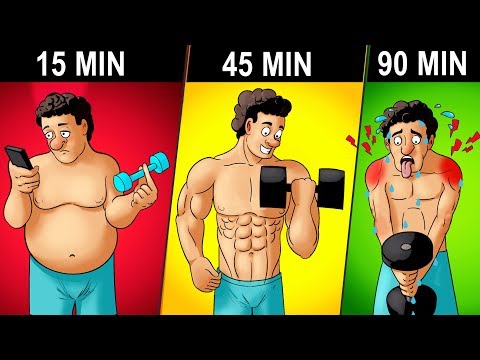
Related Video 2: "How Long Should Your Workouts Be? (45, 60, or 90 min)" by Gravity Transformation - Fat Loss Experts
Disrupted Sleep Patterns

Constantly struggling to fall asleep or waking frequently throughout the night may indicate that your exercise routine is disrupting your sleep patterns. Here’s how to tell if your workout is affecting your sleep:
1. Increased Difficulty Falling Asleep: If you find it harder to fall asleep after a strenuous workout, it could be a sign that your body is too revved up to relax and wind down for the night.
2. Frequent Nighttime Waking: Waking up multiple times during the night can be a result of overexertion during exercise, leading to a disrupted sleep cycle.
3. Poor Sleep Quality: Even if you manage to sleep through the night, poor sleep quality, such as restless or light sleep, may indicate that your body isn’t fully recovering from your intense workouts.
4. Excessive Daytime Fatigue: Feeling excessively tired and groggy during the day despite getting a full night’s sleep could be a sign that your exercise routine is impacting your overall sleep quality.
Lack of Motivation

If you find yourself lacking motivation to engage in your regular exercise routine, it may be a sign that your body needs a break or a change in your workout regimen. Lack of motivation can be a clear indicator that you’re pushing yourself too hard. Your body and mind may be telling you that it’s time to switch things up. It’s important to listen to these signals and give yourself the rest or variety you need.
When you constantly struggle to find the drive to hit the gym or go for a run, it’s a signal that your body and mind are fatigued. Overtraining can lead to burnout and a decrease in motivation. Your workouts should leave you feeling energized and accomplished, not drained and disinterested. Consider taking a few days off to rest, recover, and reset your mindset.
Alternatively, try incorporating new activities into your routine to reignite your passion for exercise. Whether it’s trying a new fitness class or exploring outdoor activities, a change in your workout routine can help restore your motivation and enthusiasm for staying active. Remember, it’s okay to take a step back and reassess your approach to exercise.

Related Video 3: "How Many Times A Week Should You Workout (Science-Based)" by Gravity Transformation - Fat Loss Experts
Frequently Asked Questions
Can Overtraining in the Gym Lead to Long-Term Health Issues?
Overtraining at the gym can definitely lead to long-term health issues. It's like revving your car's engine for too long - eventually, something's going to break.Your body needs time to recover and repair itself after intense workouts. Pushing it too hard without enough rest can lead to injuries, fatigue, and even more serious health problems.It's crucial to listen to your body and give it the rest it needs to stay healthy in the long run.
How Can I Differentiate Between Normal Muscle Soreness and Persistent Aches and Pains That Indicate Overtraining?
To differentiate between normal muscle soreness and persistent aches, pay attention to the duration and intensity of the pain. Normal soreness should subside within a few days, while persistent pain may indicate overtraining.If the discomfort interferes with daily activities, it's a red flag. Listen to your body and consider adjusting your workout routine or seeking advice from a fitness professional.


