

Are you looking to improve your physical fitness but unsure where to start?
When it comes to designing an effective fitness program, it’s crucial to focus on two key components that form the foundation of a well-rounded regimen. These elements not only contribute to overall health but also enhance your performance in various physical activities.
Discovering the significance of these components will undoubtedly help you achieve your fitness goals more effectively, but have you ever wondered what they are and how they can benefit you?
Table of Contents
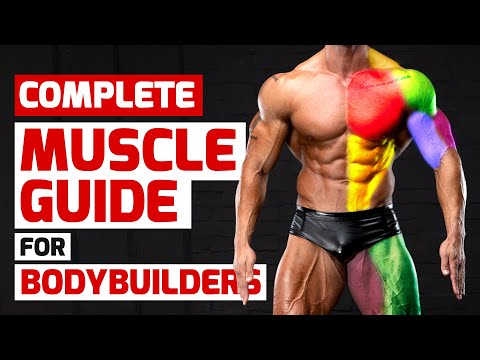
Related Video: "Complete Muscle Guide for Bodybuilders" by Fit Media Channel
Main Points
– Cardiovascular exercise and strength training are two important components of a physical fitness program.
– Proper nutrition, including a balanced diet and proper hydration, is crucial for optimal performance and muscle recovery.
– Rest and recovery are essential for muscle repair and growth, and should include sufficient sleep, stress management, and proper hydration and nutrition.
– Goal setting and monitoring progress, as well as consistency and progression in exercise routine, are important for achieving and measuring improvements in physical fitness.
Cardiovascular Exercise

To improve your cardiovascular fitness, incorporate regular aerobic activities into your exercise routine. Cardiovascular exercise, also known as aerobic exercise, is crucial for enhancing the health of your heart and lungs. Engaging in activities such as brisk walking, running, cycling, swimming, or dancing can significantly improve your overall cardiovascular endurance. These activities help strengthen your heart, increase lung capacity, and improve the efficiency of oxygen transport throughout your body.
Aim for at least 150 minutes of moderate-intensity aerobic exercise per week, or 75 minutes of vigorous-intensity exercise to reap the full benefits.
Incorporating cardiovascular exercise into your fitness program is essential for maintaining a healthy heart, reducing the risk of chronic diseases, and improving your overall well-being. It also aids in weight management, as it burns calories and contributes to a healthy metabolism. Additionally, regular aerobic activities can boost your mood, reduce stress, and enhance your quality of sleep.
Strength Training

Incorporate strength training exercises into your fitness routine to build and tone your muscles while improving overall physical strength and endurance. Strength training is a crucial component of a well-rounded physical fitness program. It offers numerous benefits beyond just building muscle, such as enhancing bone density, improving balance, and increasing metabolism.
Here are three key aspects of strength training to consider:
1. Muscle Development: By engaging in regular strength training, you can increase your muscle mass, which not only contributes to a more sculpted physique but also boosts your metabolism, leading to more efficient calorie burning.
2. Bone Health: Strength training helps in increasing bone density, reducing the risk of fractures and osteoporosis, and promoting overall bone health, especially as you age.
3. Functional Strength: This type of training improves your ability to perform everyday activities, such as lifting heavy groceries or moving furniture, with ease and reduced risk of injury. Incorporating exercises that mimic real-life movements can enhance functional strength.
Incorporating these aspects of strength training into your fitness regimen won’t only improve your physical appearance but also enhance your overall health and well-being.
Flexibility and Mobility

Improving your flexibility and mobility can complement your strength training efforts and contribute to your overall physical fitness.
Flexibility refers to the ability of your joints to move through a full range of motion, while mobility is the capacity of your body to move freely and easily.
Incorporating stretching exercises into your fitness routine can help enhance flexibility, allowing you to perform movements more effectively and with reduced risk of injury. It can also aid in improving posture and balance.
Mobility exercises, on the other hand, focus on enhancing the functional movement patterns of your body, such as squatting, bending, and reaching.
By working on both flexibility and mobility, you can maintain better joint health and muscle function, which are essential for various physical activities and everyday tasks.
Moreover, increased flexibility and mobility can lead to improved circulation and better overall physical performance.
Proper Nutrition

Enhance your physical fitness program with proper nutrition, a crucial element for achieving optimal health and performance. By fueling your body with the right nutrients, you can maximize your workouts, support muscle growth and recovery, and improve overall well-being.
To ensure you’re getting the most out of your physical fitness program, consider the following key components of proper nutrition:
1. Balanced Diet: Incorporate a variety of fruits, vegetables, lean proteins, whole grains, and healthy fats into your daily meals. A balanced diet provides essential vitamins, minerals, and macronutrients that support the body’s functions and help maintain energy levels.
2. Hydration: Proper hydration is fundamental for overall health and physical performance. Aim to drink an adequate amount of water throughout the day, especially before, during, and after exercise to replenish fluids lost through sweat.
3. Nutrient Timing: Pay attention to when you eat in relation to your workouts. Consuming a combination of carbohydrates and protein before and after exercise can help optimize performance, support muscle recovery, and replenish glycogen stores.
Rest and Recovery

Fueling your body with proper nutrition is essential for maximizing your physical fitness program, and now it’s time to address the crucial element of rest and recovery.
Rest and recovery are often overlooked but are just as important as exercise and nutrition. When you engage in physical activity, especially intense workouts, your muscles undergo stress and microscopic damage. Rest allows your muscles to repair and grow stronger. It’s during this recovery period that your body adapts to the stress of exercise and the real training effect takes place. Without adequate rest, you may experience decreased performance, fatigue, and an increased risk of injury.
Recovery also encompasses more than just physical rest. It includes getting enough sleep, managing stress, and listening to your body when it signals fatigue or pain. Proper hydration and nutrition also play a key role in recovery.
Goal Setting and Monitoring

Setting clear and achievable fitness goals is crucial to your success in your physical fitness program. By setting specific, measurable, and realistic goals, you can effectively track your progress and stay motivated throughout your fitness journey. Here are three key aspects of goal setting and monitoring that you should consider:
1. Specific Goals: Define clear and precise objectives for your fitness program. Instead of a vague goal like ‘I want to get fit,’ set a specific target such as ‘I want to be able to run 5 kilometers in 25 minutes’ or ‘I want to increase my bench press weight by 10 pounds in 2 months.’
2. Measurable Progress: Track your progress regularly to see how far you’ve come and to make adjustments as needed. Use tools like fitness apps, workout journals, or wearable fitness trackers to monitor your performance and measure your improvements over time.
Related Video 2: "What Happens To Your Body When You Start Exercising Regularly | The Human Body" by Insider Tech
3. Realistic Expectations: Set goals that are challenging yet attainable. Be honest with yourself about what you can accomplish within a certain timeframe. Setting unrealistic goals may lead to frustration and demotivation, while setting achievable goals will boost your confidence and drive.
Consistency and Progression

To achieve successful results in your physical fitness program, it’s crucial to maintain a consistent exercise schedule and gradually increase the intensity of your workouts.
By doing so, you can effectively monitor your fitness goals and ensure that you’re making progress towards them.
Consistency and progression are key elements that will propel you towards achieving your desired level of physical fitness.
Consistent Exercise Schedule
How can you ensure that your exercise schedule is consistent and progressive in order to maximize your physical fitness program’s effectiveness?
Consistency is key to seeing results from your physical fitness program. Here are three tips to help you maintain a consistent exercise schedule:
1. Set specific and achievable goals for your workouts. By having clear objectives, you can track your progress and stay motivated to stick to your exercise routine.
2. Establish a regular workout time and stick to it as much as possible. Whether it’s in the morning, during lunch, or in the evening, having a set schedule will help make exercise a regular part of your day.
3. Mix up your workouts to prevent boredom and plateaus. Incorporating various types of exercises not only keeps things interesting but also ensures that different muscle groups are targeted for overall fitness improvement.
Gradual Intensity Increase
Gradually increasing the intensity of your workouts is essential for ensuring consistent progress in your physical fitness program. It’s important to challenge your body in a controlled manner, allowing for adaptation and growth.
Start by gradually increasing the duration or frequency of your workouts. For example, if you’re walking, try adding a few more minutes each week.
Additionally, you can increase the intensity by adding resistance, speed, or difficulty to your exercises. This could involve using heavier weights, increasing the incline on the treadmill, or trying more challenging yoga poses.
By gradually pushing your limits, you give your body the opportunity to adapt and become stronger over time.
Fitness Goal Monitoring
Monitoring your fitness goals for consistency and progression is crucial to ensure you’re on track to achieve your desired results. Consistency in your fitness routine is essential for long-term success, while progression is necessary to continue challenging your body and seeing improvements.
Here are three key aspects to consider when monitoring your fitness goals:
1. Regular Assessments: Schedule regular check-ins to evaluate your progress and make any necessary adjustments to your fitness program.
2. Tracking Performance: Keep a record of your workouts, including the exercises, sets, reps, and weights used, to track your performance over time.
- Setting Milestones: Establish short-term and long-term milestones to provide direction and motivation, celebrating achievements along the way.
Related Video 3: "Beginner's Guide to the Gym | DO's and DON'Ts" by Magnus Method
Frequently Asked Questions
How Do Genetics Play a Role in Physical Fitness and How Can Individuals Work With Their Genetic Limitations?
Genetics can influence physical fitness, but you can still make significant progress despite any limitations.Understanding your genetic predispositions can help tailor your fitness program for optimal results. By focusing on exercises that align with your genetic makeup and making adjustments as needed, you can work effectively within your genetic boundaries.Embracing your unique genetic profile and finding the right balance of exercise and nutrition will help you achieve your fitness goals.
What Are the Potential Risks and Benefits of Using Supplements and Performance-Enhancing Substances in a Physical Fitness Program?
When using supplements and performance-enhancing substances in your physical fitness program, it's important to consider the potential risks and benefits.While they may offer short-term performance improvements, they can also pose serious health risks and have long-term consequences.It's crucial to consult with a healthcare professional before incorporating these substances into your routine to ensure they align with your individual health needs and fitness goals.


